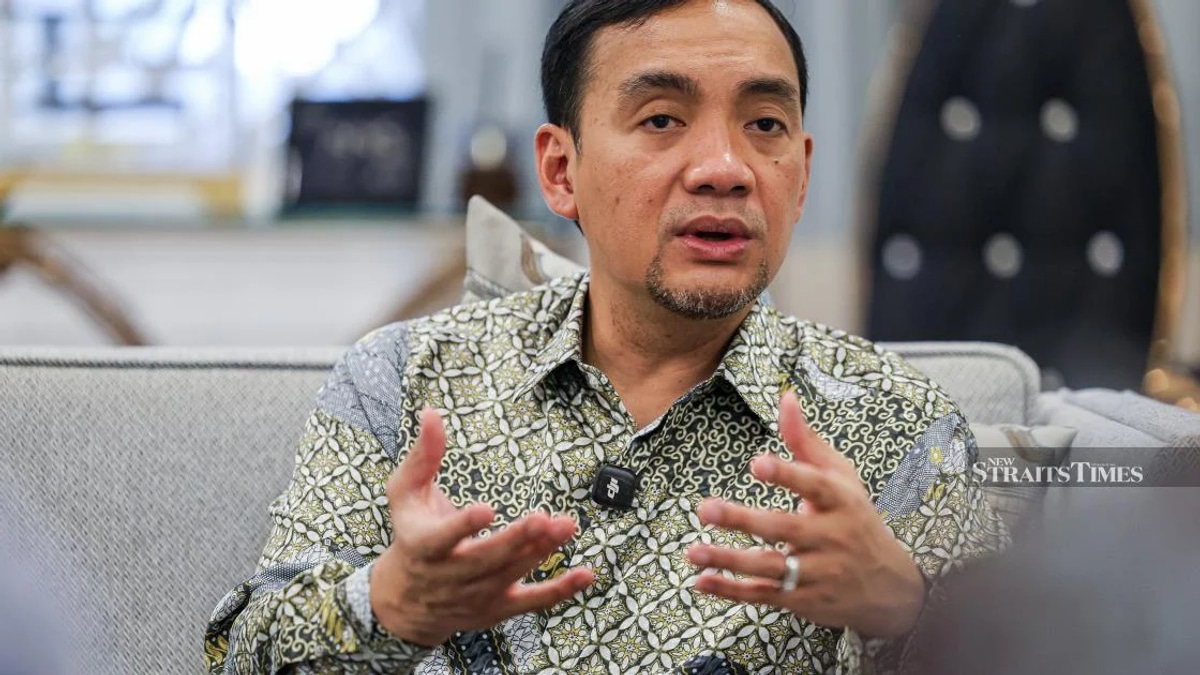
Tun Faisal Ismail Aziz, the information chief of Bersatu, has levelled fresh accusations against PAS, alleging that the Islamist party is systematically consolidating authority within the Perikatan Nasional coalition through strategic reshuffles that marginalise other member parties. The statement underscores deepening tensions within the PN alliance just months after its electoral disappointment and signals growing frustration among smaller coalition partners who feel increasingly sidelined in decision-making processes.
The conflict between Bersatu and PAS reflects a broader struggle for influence within Perikatan Nasional, which was envisioned as a multiparty alternative to the Pakatan Harapan government but has struggled to maintain internal cohesion since its formation. Bersatu, which brought Tan Sri Muhyiddin Yassin into the coalition and secured several ministerial positions, now finds itself questioning the power dynamics that appear to be shifting decidedly in favour of PAS, which commands the largest parliamentary representation within PN and has substantially expanded its organisational footprint across the country.
Tun Faisal's remarks characterise PAS's approach as increasingly authoritarian, suggesting that the party is leveraging its numerical strength and organisational capabilities to impose its vision and priorities upon the broader coalition without adequate consultation or power-sharing. This perception is critical because it touches on fundamental questions of governance philosophy and coalition management—issues that have historically plagued Malaysian political alliances that lack clear mechanisms for consensus-building and transparent resource allocation among member parties.
The timing of these accusations is significant, coming as PN continues its efforts to position itself as a credible governing alternative ahead of future electoral cycles. Internal discord of this magnitude inevitably damages the coalition's standing among voters, particularly those drawn to PN precisely because they perceived it as an ideologically cohesive alternative to more fragmented coalitions. When member parties publicly accuse each other of authoritarian behaviour and domineering tactics, the coalition's carefully cultivated image of principled unity crumbles, potentially creating openings for rival political formations to attract disaffected PN supporters.
Bersatu's grievance also illuminates the inherent vulnerabilities in coalition politics when one party possesses overwhelming structural advantages. PAS has systematically strengthened its party machinery in both urban and rural constituencies, invested heavily in grassroots mobilisation, and cultivated deep institutional connections within states where it holds executive authority. Smaller partners like Bersatu lack these advantages and consequently find themselves vulnerable to marginalisation in coalition affairs, despite historical contributions to PN's formation and Muhyiddin's previous tenure as prime minister.
The accusation that PAS exhibits an authoritarian attitude deserves careful examination within Malaysia's broader political context. PAS has long projected itself as an organisation with hierarchical discipline and clear ideological moorings, characteristics that party leadership considers essential strengths but which critics characterise as inflexibility and intolerance toward internal dissent. Within a coalition environment where consensus-building theoretically matters, this operating style creates persistent friction with parties that favour more consultative decision-making structures and greater autonomy for regional or departmental leadership.
For Malaysian readers and observers, these developments carry implications for how future coalitions might function should any of them achieve federal power. The difficulties PN faces in managing internal relationships—even from opposition—suggest that coalition governance in Malaysia requires robust constitutional frameworks, transparent resource-sharing formulas, and enforceable mechanisms for protecting smaller parties' interests. Without such safeguards, larger coalition members will inevitably exploit structural advantages to consolidate control, ultimately destabilising the alliance from within.
The reshuffle that triggered Tun Faisal's comments appears to have involved adjustments to PN's internal committees, leadership positions, or policy-making bodies. Such reshuffles are ostensibly routine management matters, but in coalition contexts they carry tremendous symbolic and practical significance because they signal which parties exercise genuine influence over coalition strategy, resource allocation, and political messaging. If PAS has used these changes to expand its direct control over key functions previously shared with or delegated to other members, the grievance becomes understandable and potentially emblematic of deeper structural problems.
Bersatu's public complaint also reflects calculation about its own political future. As a relatively younger party with narrower geographic roots compared to established formations like PAS, Bersatu faces pressure to demonstrate relevance and capability to its supporters and potential allies. Accepting a subordinate position within PN without protest risks appearing weak or captured, potentially driving disaffected members toward other political vehicles. By publicly challenging PAS, Bersatu asserts agency and attempts to recalibrate internal coalition dynamics before they calcify into a permanent hierarchy.
The allegations raise questions about whether Perikatan Nasional possesses adequate mechanisms for managing internal disputes and protecting coalition balance. Mature political alliances typically establish formal structures—steering committees, shared secretariats, or constitutional arrangements—that prevent dominant partners from unilaterally reshaping institutional arrangements. The apparent absence of effective dispute resolution mechanisms within PN suggests the coalition remains institutionally underdeveloped relative to its ambitions as a governing alternative.
Moving forward, whether PN can address these tensions depends substantially on whether PAS demonstrates willingness to constrain its power and reassure smaller partners that their interests receive genuine protection. Failure to do so risks accelerating defections or fracturing the coalition's public presentation of unity. For Malaysian political watchers, the Bersatu-PAS tensions serve as a crucial test case for whether opposition coalitions can overcome the zero-sum dynamics that typically undermine their longevity and effectiveness.