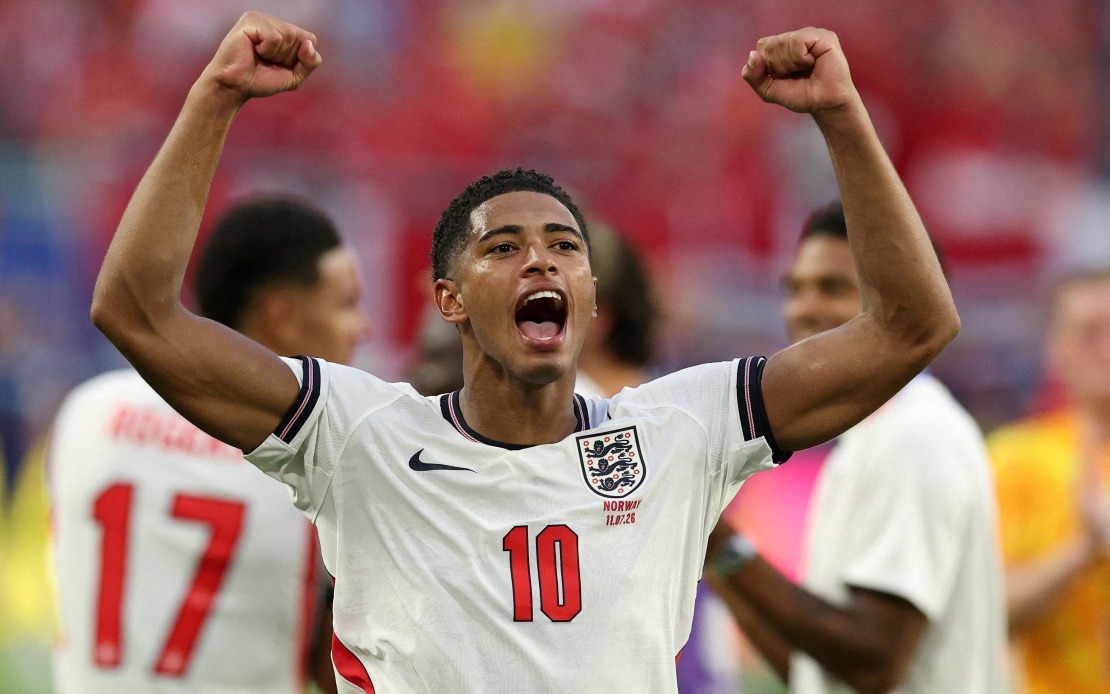
England progressed to the semi-finals of the 2026 FIFA World Cup after a dramatic quarter-final encounter with Norway at Miami Stadium, with Real Madrid midfielder Jude Bellingham proving decisive in both attack and character. The Three Lions came from a goal down to win 2-1 after extra time, with Bellingham scoring in the dying moments of the additional period to confirm their advancement and keep alive hopes of ending a 60-year drought without a world championship. Thomas Tuchel's squad remains on course to claim only their second World Cup title, having captured their solitary crown when hosting the tournament in 1966.
Norway's Andreas Schjelderup had handed the Scandinavian side an early advantage through a clinical finish in the 36th minute, catching England's defence off guard with a well-executed strike past goalkeeper Jordan Pickford. The goal appeared to have set the tone for a potential upset, but England responded with characteristic resilience before the interval. Bellingham levelled matters in stoppage time at the end of the first half, collecting Anthony Gordon's pass and finding space within the penalty box before delivering a precise low drive that left Norway's goalkeeper stranded. The equaliser demonstrated England's capacity to recover under pressure and signalled their intent to control proceedings in the second period.
The second half proved to be a tense affair with both teams creating opportunities without either able to establish a decisive advantage. Norway came close to reclaiming the lead in the 53rd minute when Erling Haaland connected with Julian Ryerson's delivery, directing a downward header towards goal that Pickford dealt with expertly, pushing the ball around the post to preserve parity. The Manchester City striker's involvement suggested that Norway possessed sufficient attacking threat to trouble England throughout the encounter. However, just two minutes later, the Scandinavians believed they had finally broken the deadlock when Torbjorn Heggem capitalised on England's momentary lapse in concentration from a corner kick, firing the ball high into the net with conviction.
The celebration proved premature as the Video Assistant Referee system intervened to overturn the decision. Officials determined that Haaland had committed a pushing offence against Elliot Anderson during the lead-up to the goal, using both hands in a manner deemed to constitute a foul. The VAR intervention proved crucial in denying Norway what would have been a significant step towards victory, highlighting how margins in modern football are frequently determined by marginal decisions rather than clear-cut excellence. England benefited from the technological intervention when it might easily have worked against them, a reminder of the unpredictable nature of contemporary competition and how officials' judgements can reshape tournament narratives.
With neither side able to find a breakthrough in regulation time, the match extended into the additional 30 minutes that characterise World Cup knockout ties. The extra period saw England intensify their attacking approach, pressing Norway's increasingly fatigued defence with greater frequency and urgency. Bellingham capitalised on this pressure in the 93rd minute when Morgan Rogers unleashed a fierce effort from outside the penalty area that Norway goalkeeper Orjan Nyland could only parry into dangerous territory. The Real Madrid midfielder reacted with sharp instincts to the rebound, moving fastest to the loose ball and finishing from close range to secure England's passage to the final four and complete an impressive personal contribution to the match.
Bellingham's two-goal performance reflected his importance to England's attacking ambitions and underscored the tactical flexibility that Tuchel has introduced since assuming the managerial position. The midfielder's ability to operate in advanced positions while maintaining defensive discipline has transformed England's capacity to control matches against varied opposition. His winning goal exemplified the hunger and concentration required at this stage of major tournaments, where such instances of rapid decision-making and clinical finishing often determine which teams progress and which depart.
England's semi-final opponents will emerge from the quarter-final between defending champions Argentina and Switzerland, creating intriguing possibilities for the tournament's decisive stages. The Three Lions have already established themselves as one of the tournament's most compelling narratives, combining technical excellence with the mental fortitude necessary to overcome adversity. Their journey to the semi-finals follows an established pattern for Tuchel's tenure, where the manager has prioritised building squad depth and tactical adaptability alongside maintaining the traditional strengths that have characterised English football for generations.
Norway's campaign, while concluding in disappointment, represented a significant achievement for the Scandinavian nation in world football terms. The quarter-final appearance surpassed their previous best performance, bettering their round-of-16 exits in 1938 and most recently at France 1998. For a nation with approximately 5.5 million inhabitants and limited resources compared to traditional football powers, reaching this stage of a World Cup demonstrates the progress that can be achieved through sustained investment in player development and tactical preparation. Haaland's presence in the squad provided hope that Norway could compete with established powers, though ultimately the gap in experience and squad depth proved decisive.
The defeat leaves Norway with lessons regarding the importance of clinical finishing and defensive discipline at the highest level. Schjelderup's early goal suggested that breaching England's defensive line remained possible, yet the inability to build on that advantage through periods of the match prevented the Scandinavians from sustaining pressure. The disallowed goal will inevitably feature in post-match analysis as a turning point, though the fundamental issue remains that England ultimately proved more efficient when opportunities arose.
For Malaysian and Southeast Asian observers, the progression of European teams through the latter stages of the World Cup reinforces the continuing dominance of UEFA nations in world football. England's success builds upon their strong showing in recent international competitions, suggesting that the pathway to sustained excellence involves consistent tactical development, investment in youth academies, and the willingness to adapt strategies according to opposition. The semi-final stage will present England with their sternest challenge yet, requiring the same resilience and composure that characterised their quarter-final performance.

