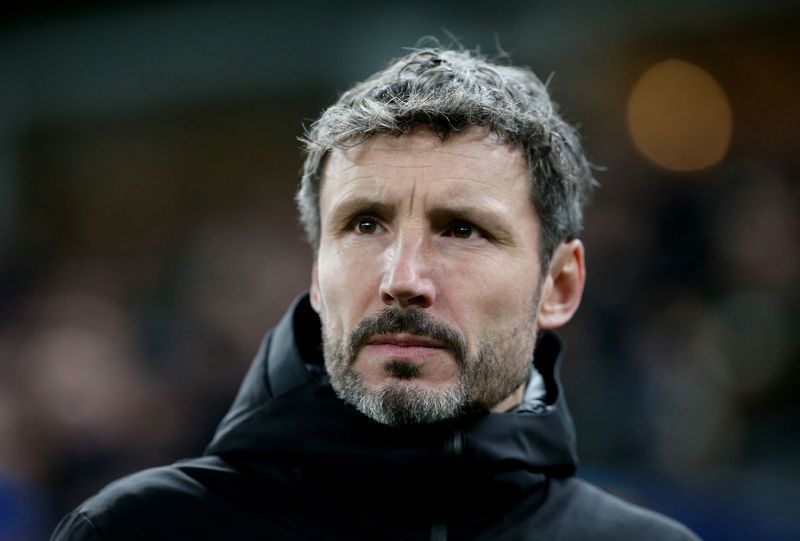
Mark van Bommel has left no room for ambiguity regarding his future priorities, making clear in his inaugural press conference that he experienced no internal conflict accepting Belgium's coaching vacancy. The former Barcelona and Bayern Munich defender, who represented the Netherlands in the 2010 World Cup final, decisively rejected any suggestion he might have contemplated waiting for the Dutch national team position to become available. His swift confirmation of commitment carries particular significance given that his homeland remains without a permanent manager following their post-World Cup upheaval, a situation that could theoretically have presented an alternative pathway for the 49-year-old.
Van Bommel's appointment came swiftly after Belgium's decision not to renew Rudi Garcia's contract following their quarter-final exit from the recent World Cup tournament. The governing bodies moved with notable efficiency in identifying and securing their replacement, a process that Van Bommel suggests reflected his genuine enthusiasm for the opportunity. Rather than treating the Belgium position as a stepping stone toward a more prestigious appointment, Van Bommel characterised coaching at national level as fundamentally rewarding, regardless of the specific nation involved. His perspective reveals how the elite football coaching market operates at the highest levels, where the opportunity to manage a World Cup-calibre squad represents the pinnacle of professional ambition.
During Friday's media engagement, Van Bommel elaborated on what makes national team management distinct from club-level coaching, emphasising the unique privilege of working exclusively with a nation's most talented players. He acknowledged that truly elite positions remain relatively scarce in the global game, making such opportunities genuinely rare in any coach's career trajectory. His enthusiasm appeared genuine rather than obligatory, suggesting that Belgium's specific situation aligned with both his professional aspirations and personal circumstances at this particular career juncture. This perspective contextualises why speculation about the Netherlands role held minimal appeal for him, despite the emotional connection many would expect a Dutch international to maintain toward his national team.
The coaching market's competitiveness emerged as another dimension Van Bommel addressed, noting that numerous offers had come his way over the preceding two years without generating sufficient conviction. This disclosure suggests a selective approach to career moves, one that prioritises genuine conviction over simple availability. Van Bommel's willingness to remain patient until an opportunity aligned with his standards demonstrates confidence in his positioning within football's elite coaching ecosystem. The Belgium role evidently met those exacting criteria, triggering the decisive acceptance that has now become his public position.
Regarding Belgium's immediate competitive ambitions, Van Bommel articulated a philosophy balancing aspiration with realism. While acknowledging that winning represents every competitor's fundamental motivation, he deliberately avoided the triumphalist proclamations sometimes accompanying managerial appointments. His reference to Dutch culture's tendency toward confidence-building declarations suggested a preference for more measured public communication, one that allows performance to generate evidence rather than relying on rhetoric. This approach may reflect his experience managing in multiple elite leagues, where expectations management constitutes a crucial coaching skill.
Belgium's upcoming fixtures establish Van Bommel's immediate testing ground, beginning with Nations League competition against established rivals. His debut match comes in Rome against Italy on September 25, with subsequent matches against Turkey and France filling the September-October international window. These encounters represent genuinely high-profile assignments for a newly appointed coach, offering both challenges and opportunities to establish credibility with his squad and the Belgian football public. The fixture schedule's quality ensures that Van Bommel's early months will provide meaningful evidence of his coaching impact rather than against modest opposition.
A significant challenge awaiting Van Bommel involves persuading goalkeeper Thibaut Courtois to reconsider his post-World Cup retirement decision. The Real Madrid player's desire for a break from international football represents a meaningful loss for Belgium's defensive infrastructure, given Courtois' elite status in world football. Rather than making immediate pronouncements, Van Bommel adopted a measured approach, indicating planned conversations with Courtois once he returns to full training. This patience reflects recognising that players sometimes reassess their positions following tournament fatigue, and allowing appropriate time for reflection may yield more productive dialogue than immediate confrontation.
Van Bommel's handling of the Courtois situation reveals broader coaching philosophy around player management, particularly involving high-profile individuals requiring delicate relationship maintenance. His explicit mention of avoiding premature judgments and conducting thorough conversations before making decisions suggests experience managing complex squad dynamics. For Malaysian and Southeast Asian observers, this approach illustrates how modern elite sports management increasingly emphasises interpersonal communication and psychological understanding alongside tactical expertise. Van Bommel's professionalism in addressing the goalkeeper's situation may determine whether Belgium can retain this critical asset for the competitive campaign ahead.
The Belgian football federation's confidence in Van Bommel's appointment reflects the coach's distinguished background and evident capability to manage elite talent. His career trajectory, encompassing significant clubs across multiple leagues, demonstrates the experience necessary for navigating the complex environment of international football management. With his decisive commitment now publicly articulated, Van Bommel can fully concentrate on the substantial rebuilding project facing Belgium following their disappointing World Cup campaign. The coming months will reveal whether this appointment represents an effective response to the federation's need for leadership renewal.

