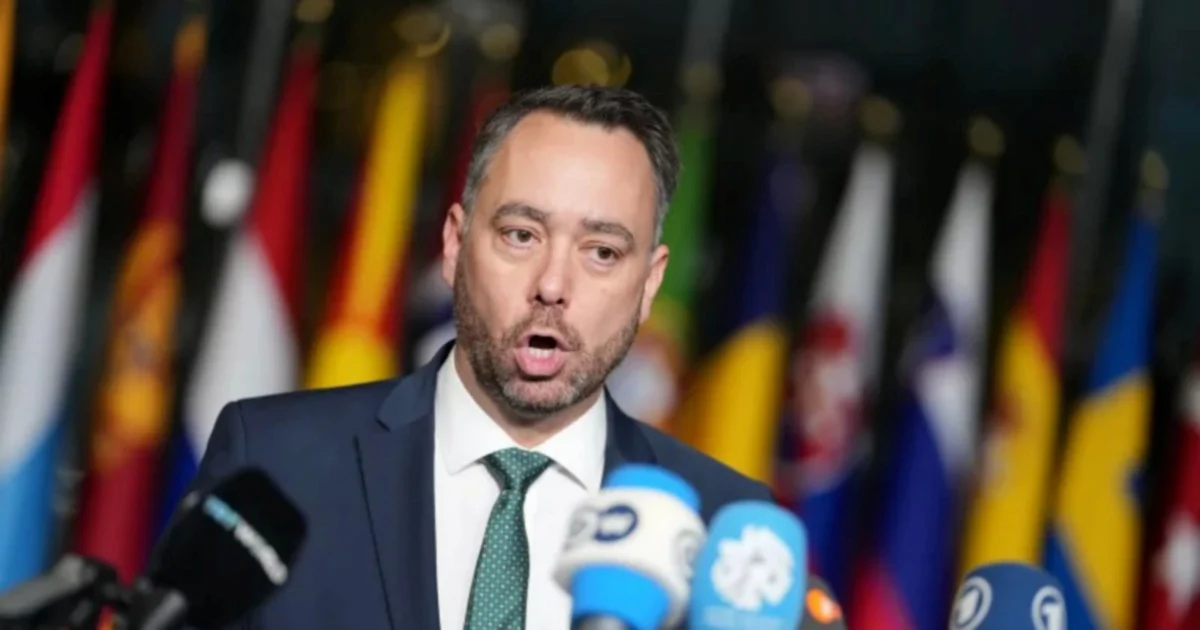
Belgium's Deputy Prime Minister and Foreign, European Affairs and Development Cooperation Minister Maxime Prevot will arrive in Malaysia tomorrow for a two-day working visit that signals deepening economic engagement between the two nations, particularly across emerging sectors including renewable energy, critical mineral resources, and the halal economy.
The visit represents a significant diplomatic gesture from the European nation, which has increasingly turned its attention toward Southeast Asian markets as it pursues its climate transition agenda and seeks to diversify supply chains for critical materials essential to green technologies. For Malaysia, the engagement provides an opportunity to position itself as a preferred partner for European investors and governments seeking alternatives to traditional suppliers, while simultaneously advancing its own renewable energy expansion plans.
Renewable energy cooperation stands as the primary focus of discussions during Prevot's visit. Malaysia has set ambitious targets for clean energy adoption, aiming to increase renewable energy capacity substantially over the coming decades. Belgium, a nation with significant experience in renewable technology development and deployment, can offer technical expertise and innovation partnerships that could accelerate Malaysia's transition away from fossil fuels. The Belgian government has been actively promoting European green technology globally, and Malaysia's strategic location and growing energy demands make it an attractive market for such collaboration.
Beyond clean energy, discussions will encompass rare earth elements, a topic of considerable strategic importance to both Malaysia and Europe. The European Union has been grappling with supply chain vulnerabilities for critical minerals essential to renewable energy infrastructure, electric vehicles, and advanced electronics manufacturing. Malaysia possesses significant rare earth resources and processing capabilities, making it a logical partner in European efforts to reduce dependence on single suppliers. Strategic cooperation in this area could position Malaysia as a more integral part of European industrial strategy while providing revenue opportunities through value-added processing rather than raw material export alone.
The halal industry component of these talks highlights Malaysia's unique position as a global halal hub and the untapped potential for European participation in this rapidly expanding sector. Malaysia's halal certification standards have gained international recognition, and European companies seeking to penetrate Muslim-majority markets increasingly view Malaysian partnerships as essential gateways. Belgium and the broader European Union represent substantial opportunities for exporting halal products and services, a potential growth area that has not been fully exploited. Prevot's inclusion of this sector in his itinerary demonstrates European recognition of halal commerce as an economic frontier rather than merely a religious or cultural consideration.
The timing of this visit coincides with Malaysia's broader strategic repositioning in global affairs. As the nation navigates evolving regional dynamics and seeks to strengthen non-traditional partnerships, Belgian engagement across multiple economic sectors offers diversification benefits. European nations represent different geopolitical perspectives and economic interests compared to Malaysia's traditional partners, providing opportunities for balanced partnerships that enhance strategic autonomy.
From Belgium's perspective, the visit underscores the European nation's pivot toward Indo-Pacific engagement. Belgium, despite its small geographic size, holds considerable influence within European Union institutions and maintains active development cooperation programmes across Asia. Through Prevot's visit, Belgium reinforces its commitment to meaningful economic partnerships in the region and positions itself as a constructive partner in addressing shared global challenges such as climate change and supply chain resilience.
The delegation discussions will likely explore mechanisms for sustained cooperation, potentially including government-to-government agreements, private sector partnerships, and capacity-building initiatives. Such arrangements typically address technical cooperation, investment facilitation, and trade promotion. Given Malaysia's experience hosting international corporations and Belgium's sophisticated finance and logistics sectors, infrastructure development and financial cooperation could emerge as secondary discussion points.
These bilateral engagements, though often overshadowed by discussions involving larger powers, frequently yield substantive benefits for smaller trading nations. For Malaysia, securing commitments from Belgium regarding renewable energy investment, rare earth processing partnerships, or halal market access represents concrete economic gains. Conversely, Belgium gains access to growing Southeast Asian markets and secures supply chains for critical materials, addressing medium-term strategic vulnerabilities within European industrial policy.
The visit also reflects a broader pattern of Southeast Asian nations engaging more actively with middle-power European nations. These interactions frequently prove more flexible and pragmatic than those involving major powers, with fewer geopolitical constraints and greater room for creative problem-solving. Malaysia's capacity to host such high-level visits and leverage them for concrete economic cooperation demonstrates the nation's growing diplomatic sophistication and market appeal.
For Malaysian businesses and policymakers, the visit represents a call to prepare substantive proposals and partnership opportunities. European counterparts will assess Malaysia's genuine capacity and commitment in renewable energy development, rare earth element processing, and halal sector expansion. Clear, detailed frameworks for cooperation tend to yield more significant outcomes than general expressions of goodwill, suggesting that Malaysian stakeholders should utilise this engagement window strategically.

