Barisan Nasional is preparing a significant overhaul of its constituency allocation strategy ahead of the Negeri Sembilan state election scheduled for August 1, moving away from decades-old patterns that have locked component parties into specific seats. The shift signals a recognition that electoral arithmetic in Malaysia's heartland state has fundamentally changed, requiring the grand coalition to adopt a more flexible and analytically-driven approach to seat distribution.
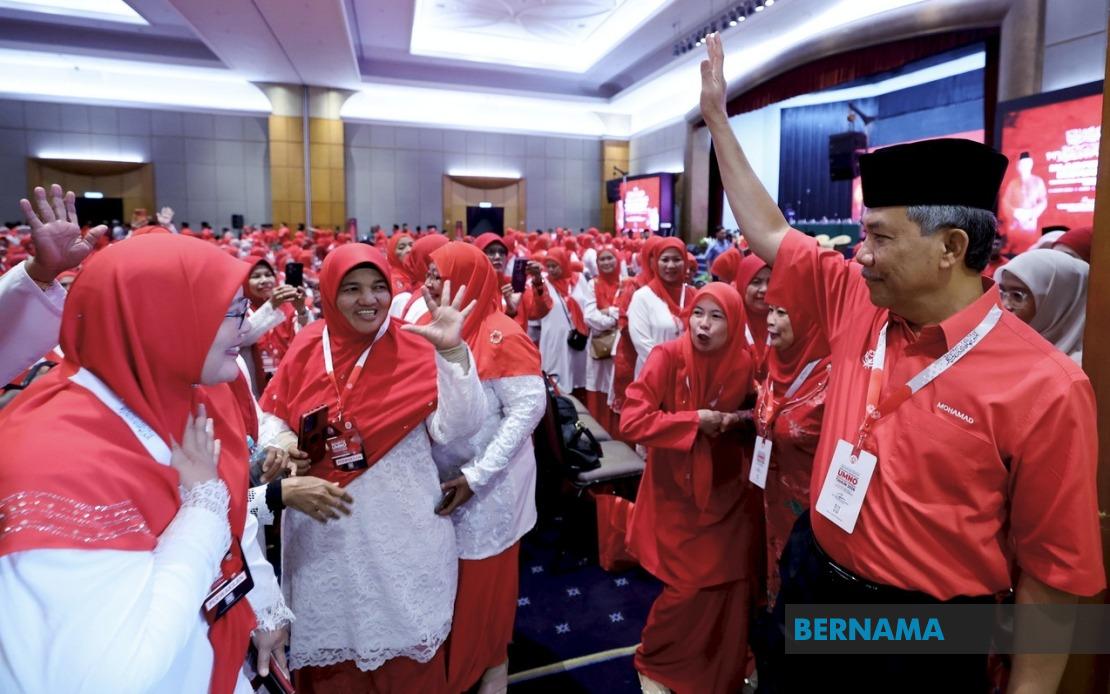
Datuk Seri Mohamad Hasan, who serves as both BN deputy chairman and Negeri Sembilan BN chairman, outlined the reasoning behind this strategic departure during remarks at the Rembau Division Wanita, Youth and Puteri UMNO Delegates Meeting in Seremban on July 5. The core issue, he explained, centres on how constituency voter composition has transformed substantially, making traditional allocations increasingly misaligned with contemporary electoral realities. Rather than persisting with rigid assignments where specific parties contest predetermined seats regardless of changing circumstances, BN intends to conduct a comprehensive reassessment of where each component party holds the strongest competitive advantage.
The traditional model that Mohamad referenced—whereby component parties receive fixed seat allocations with minimal flexibility—has governed BN's internal organization across multiple election cycles. Under such arrangements, voter choice becomes constrained within predetermined boundaries, and component parties have limited incentive to compete on merit or adapt to demographic shifts within their assigned constituencies. By contrast, the proposed seat-swap methodology would allow BN's constituent organizations to bid for constituencies where they believe local conditions favour their candidacy, theoretically improving overall coalition performance by matching organizational strength to electoral opportunity.
Implementing this recalibration requires BN to gather and analyse granular electoral data from the previous state election, examining voting patterns across different demographic segments and geographic areas. Mohamad indicated that such analysis would guide decisions about which component party should contest which seat, though he acknowledged the inherent complexity of balancing multiple competing interests within the coalition structure. The transition from a rules-based allocation system to one grounded in performance metrics and demographic analysis represents a meaningful departure from BN's historical governance approach, reflecting perhaps a belated recognition that Malaysia's electorate has become more volatile and less predictable than in earlier decades.
The compressed timeline surrounding candidate selection adds urgency to these deliberations. Divisional leaders received instructions to submit candidate lists—with a minimum of three aspirants per constituency—through established procedures, enabling BN to announce final candidacies on July 15 when the coalition formally launches its election machinery. With nominations scheduled for July 18 and early voting set for July 28, the organization has minimal room for delays or extended internal negotiations. This schedule suggests that final seat allocations must be finalized within days, placing substantial pressure on BN's central decision-making apparatus to balance diverse component party interests while preserving coalition cohesion.
Critical to this exercise is the BN Supreme Council's role in ratifying seat distributions and candidate lists. Although Mohamad and other divisional leaders will compile recommendations, ultimate authority rests at the centre, where UMNO's dominance within BN typically ensures that its preferences receive primacy. Other component parties—including MCA, MIC, and smaller partners—will vie for attractive constituencies, creating potential friction if the Supreme Council's allocations appear inequitable or fail to reflect their negotiating positions. Historically, BN has managed such tensions through pre-election consensus-building and inter-party protocols, but heightened electoral uncertainty may strain these established mechanisms.
Understanding the stakes requires acknowledging BN's recent electoral trajectory in Negeri Sembilan. The coalition has retained state control through successive elections, though with declining majorities and narrowing winning margins that suggest its traditional support base is gradually eroding. Younger voters, urban constituents, and demographics traditionally aligned with opposition parties have grown more politically assertive, making seat-level vulnerability assessments crucial for coalition planning. If BN miscalculates which seats remain defensible and which have shifted irreversibly, the proposed flexibility could backfire by deploying candidate resources inefficiently or alienating component parties through perceived unfair allocations.
The elephant in the room concerns Mohamad's own political position. As the sitting Rantau state assemblyman since 2004, he indicated openness to defending his seat but made this contingent on party leadership approval. Such hedging suggests either genuine uncertainty about Rantau's electoral viability under the new allocation system or, alternatively, strategic positioning that allows him to claim deference to collective party decisions regardless of the outcome. His willingness to potentially relinquish Rantau—a seat he has held for two decades—underscores how seriously BN's leadership views the necessity for strategic repositioning, even at the cost of entrenched incumbents.
Mohamad's warning about internal discipline proved particularly pointed given BN's historical vulnerability to sabotage by disgruntled members or those backing breakaway factions. Previous election losses, he noted, resulted partly from coalition members actively undermining their own party's candidates, effectively delivering victories to opposition contenders. This institutional weakness—rooted in BN's accumulation of power without developing robust internal democratic cultures—remains unresolved. The new seat allocation approach could either mitigate such dynamics by ensuring candidates feel legitimately placed through competitive processes, or exacerbate them if component parties view the redistribution as unfairly favouring UMNO or other partners.
For Malaysian political observers, this Negeri Sembilan development offers a window into how BN is attempting to reinvent itself amid sustained electoral headwinds. The shift from traditional allocations to data-driven, competitive seat assignment reflects broader acknowledgment that Malaysia's voters have fundamentally changed since the 2018 general election, and that coalition parties can no longer rely on habitual support or demographic assumptions. Whether this recalibration proves sufficient to stabilize BN's position in Negeri Sembilan—or merely represents tactical tinkering around the margins of deeper structural decline—will become apparent once August 1 results are tallied and analysed.

