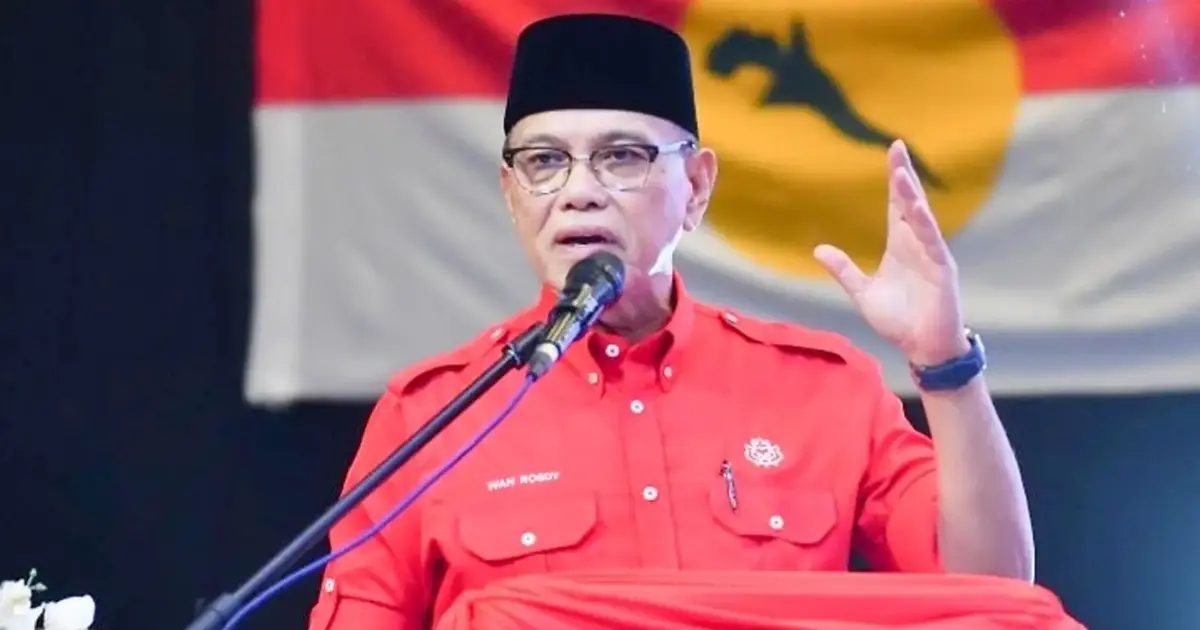
Umno vice-president Wan Rosdy Wan Ismail has signalled that the two major Malay-Muslim political coalitions have not yet initiated substantive discussions about joining forces in the run-up to the next general election, despite speculation about potential cooperation between them in voters' minds and among analysts tracking Malaysian politics.
Wan Rosdy's statement comes at a critical juncture when political formations across the country are assessing their electoral prospects and considering alliance options ahead of what many expect will be a highly competitive contest. The timing of his comments reflects the immediate preoccupations of party leadership, which remains focused on consolidating recent gains and ensuring stability within the states they control rather than engaging in long-term coalition negotiations.
The Umno figure emphasised that Barisan Nasional's current energy and resources are directed toward entrenching the newly established state government in Negeri Sembilan, suggesting that any broader political realignments at the national level remain distinctly secondary. This prioritisation underscores the practical reality that governing coalitions must first establish functional administrations and demonstrate competence to voters before seeking expanded electoral mandates.
For Malaysian readers, the statement carries significant implications. The relationship between Barisan Nasional and Perikatan Nasional has evolved considerably since their stark confrontation during the 2022 general election and subsequent reconfiguration of political alignments. Both coalitions have undergone internal transformations and command different support bases, making any formal cooperation arrangement a matter of considerable strategic complexity.
Barisan Nasional continues to be anchored by Umno, which maintains deep organisational roots and significant patronage networks particularly in Peninsular Malaysia, while Perikatan Nasional has strengthened its position especially among younger Malay voters and in certain stronghold states through its Parti Islam Se-Malaysia and Bersatu components. The absence of current negotiations suggests neither coalition feels compelled to compromise its positioning or bargaining power by committing prematurely to electoral pacts.
The statement also reflects ongoing uncertainty about the electoral calendar itself. While the next general election must constitutionally occur by mid-2025, the exact timing remains subject to prime ministerial discretion, and both coalitions may be waiting for clearer signals about when the country will return to the polls. Premature commitment to electoral alliances could undermine each coalition's ability to negotiate from strength once a clearer timeline emerges.
Negeri Sembilan's political situation deserves particular attention given Wan Rosdy's emphasis on it. The state has recently undergone significant changes in its governance arrangements, and ensuring that the newly configured state administration functions effectively and maintains legitimacy among constituents becomes essential both for the coalition that leads it and for the broader Barisan Nasional narrative nationally. State-level governance directly influences electoral prospects because voter satisfaction or dissatisfaction in one state resonates across constituencies elsewhere.
The distinction between tactical cooperation and formal coalition arrangements also matters here. Malaysian politics frequently witnesses issue-by-issue cooperation between different political blocs even without formal electoral pacts, and such flexible arrangements may actually characterise future BN-PN interactions without requiring the kind of binding agreements that comprehensive election alliances would entail. This pragmatic approach allows both coalitions to maintain independence while collaborating where interests align.
Regionally, Malaysia's internal political manoeuvring carries weight for Southeast Asia's broader political stability. Election outcomes and coalition formations affect policy directions on trade, regional integration, and security partnerships. Both Barisan Nasional and Perikatan Nasional maintain different orientations toward international engagement and regional cooperation, meaning the ultimate composition of whoever governs after the next election will have consequences beyond Malaysia's borders.
For observers in Malaysia and internationally, Wan Rosdy's measured response suggests political leadership remains genuinely uncertain about optimal strategies as the political landscape continues shifting. Rather than reflecting any fundamental hostility between Barisan Nasional and Perikatan Nasional, the absence of talks may simply indicate that neither bloc has yet determined whether cooperation or competition better serves its interests and those of the voters it seeks to represent. Such strategic ambiguity, while frustrating for those seeking clarity, remains characteristically Malaysian in its reflection of pragmatic political calculations continuing beneath the surface of official statements.

