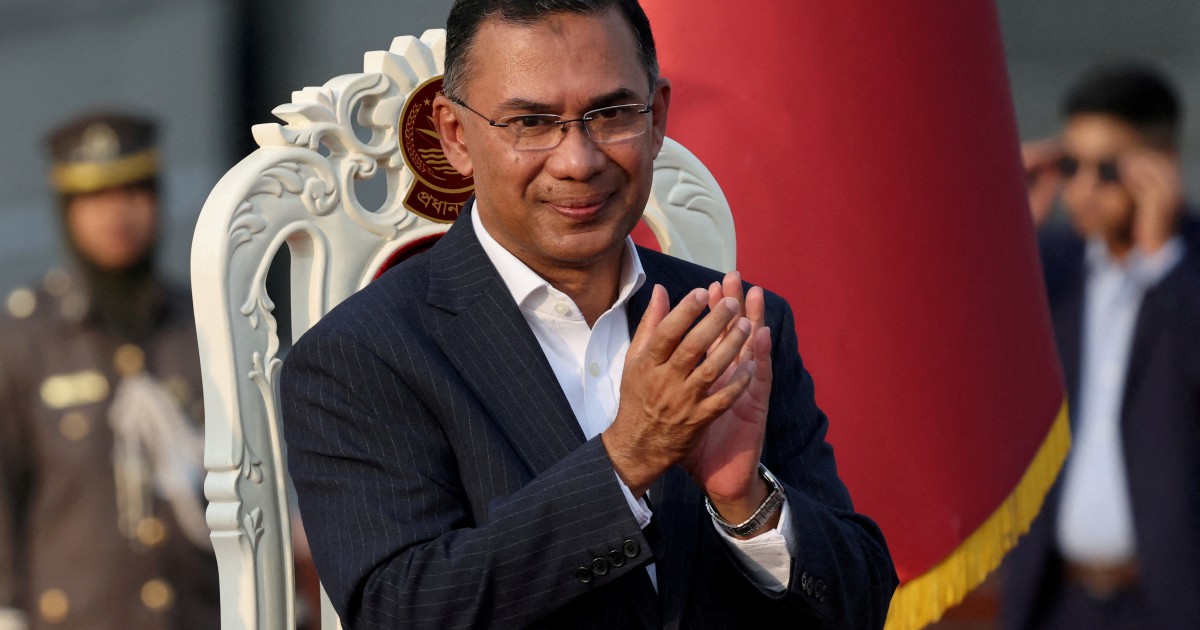
Bangladesh has raised diplomatic stakes by conditioning any prime ministerial visit to India on the extradition of former premier Sheikh Hasina, marking a significant hardening of positions between the two South Asian neighbours. The announcement, made on Sunday, signals that the new administration in Dhaka intends to maintain pressure on New Delhi over the whereabouts and custody of Hasina, who departed Bangladesh during the tumultuous uprising that swept through the nation in 2024.
The stance reflects the fragile state of bilateral relations following the political upheaval that transformed Bangladesh's leadership landscape. Hasina's flight from the country and her subsequent reported arrival in India has emerged as a contentious issue between the governments, with Dhaka viewing her presence on Indian soil as an affront to its sovereignty and judicial processes. The condition imposed by Prime Minister Tarique Rahman's administration effectively signals that normalisation of high-level diplomatic engagement cannot proceed until this matter is satisfactorily resolved from Dhaka's perspective.
The demand for extradition carries substantial legal and political weight in South Asian diplomacy. Bangladesh would likely argue that Hasina faces accountability for actions during her tenure, though the specifics of any charges or investigations remain to be formally detailed. India, meanwhile, has historically been cautious about extradition requests involving political figures, particularly when such cases carry domestic sensitivities within either nation. The two countries share complex historical ties, including disputes over water rights, border demarcation, and refugee populations, which often complicate bilateral negotiations.
For Malaysian readers and Southeast Asian observers, this development underscores how rapidly regional geopolitics can shift when internal political upheaval occurs within neighbouring states. The situation demonstrates that diplomatic normalisation cannot be taken for granted, particularly when new governments assert nationalist credentials by taking hardline positions on sovereignty and accountability. Bangladesh's insistence reflects a pattern seen throughout the region where successor regimes seek to distance themselves from predecessors through both symbolic and substantive actions.
The timing of this declaration also carries significance. By publicly announcing the condition before any formal diplomatic initiative, Dhaka has effectively foreclosed the possibility of quiet negotiation or face-saving compromises. This approach suggests that the new Bangladeshi leadership views the issue as domestically politically important, with public opinion potentially supporting a tough stance toward the previous administration. Regional governments often face pressure from civil society and opposition groups to hold former leaders accountable, and Bangladesh appears no exception.
India's response to this demand will shape the trajectory of bilateral relations for the foreseeable future. New Delhi must balance its own legal frameworks regarding extradition, concerns about precedent for its own officials potentially facing similar demands, and the broader strategic relationship with a neighbouring nation of significant economic and geopolitical importance. The refusal to extradite would likely confirm Bangladeshi suspicions of Indian sympathy toward the previous regime, while accession might be domestically contentious within India depending on Hasina's standing among Indian political constituencies.
The extradition impasse also reflects deeper questions about accountability mechanisms in South Asia. Unlike some regions where truth commissions or transitional justice processes have allowed post-conflict societies to move forward without demanding the physical custody of former leaders, Bangladesh appears committed to pursuing more conventional criminal justice avenues. This choice, while understandable given the scale of the 2024 uprising, carries risks of prolonged diplomatic tension and potential legal complications if extradition becomes mired in technical or procedural disputes.
For Malaysian readers, the situation illustrates how carefully balanced diplomatic relations can be destabilised by internal political transitions. Malaysia's own experience with managing relationships between governments of different political complexions provides relevant context for understanding the challenges now facing Bangladesh and India. The principle that new administrations may seek to establish clear breaks with predecessors is universal, but the method by which this is pursued—whether through public confrontation or private negotiation—substantially affects regional stability.
The broader implications extend to ASEAN and regional architecture more generally. When disputes between major South Asian powers become frozen around extradition demands, opportunities for constructive regional cooperation on trade, security, and development diminish. Bangladesh and India share mutual interests in managing the Ganges-Brahmaputra river systems, combating transnational crime, and facilitating legitimate commerce, yet all of these require sufficient goodwill to function effectively. The extradition condition, if maintained indefinitely, could therefore damage not just bilateral ties but the wider South Asian region's capacity for integrated development.
Looking ahead, resolution will likely require either a change in political circumstances within one or both countries, a compromise arrangement brokered through international mediation, or time sufficient for the intensity of feelings to moderate. Bangladesh's public declaration makes retreat politically difficult, suggesting that substantive progress on the issue may require months or years to materialise. Meanwhile, the absence of high-level prime ministerial engagement between the neighbours means that other diplomatic channels and lower-ranking officials will need to manage ongoing disputes, a situation that historically increases the risk of miscalculation or escalation in South Asian contexts.

