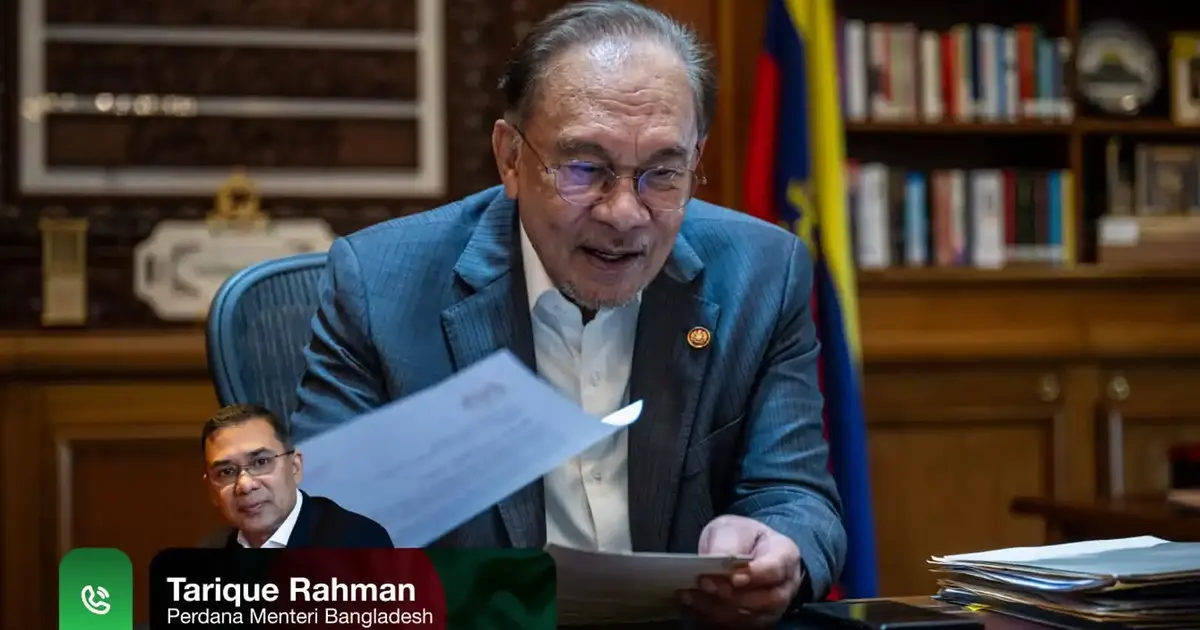
Bangladesh has turned to Malaysia for assistance in resolving a critical energy supply challenge, specifically seeking help to secure liquefied natural gas resources during a period of acute shortage affecting the nation's power sector. Prime Minister Anwar Ibrahim disclosed that he received the request during a telephone discussion with Bangladesh Prime Minister Tarique Rahman today, signalling the urgency with which Dhaka is addressing this infrastructural and economic crisis.
The appeal represents a significant diplomatic overture within Southeast Asia's energy landscape, reflecting how resource constraints are driving countries in the region to forge closer bilateral partnerships. Malaysia, as a major regional player in natural gas production and an established exporter of LNG, occupies a strategically important position in helping neighbouring nations manage their energy vulnerabilities. The direct communication between the two premiers underscores the political importance both governments attach to resolving Bangladesh's immediate energy predicament.
Bangladesh's energy crisis stems from multiple interconnected factors, including declining domestic natural gas reserves, growing industrial and residential demand, and disruptions to its existing supply chains. The nation has historically relied on a combination of domestic production and imported gas to meet consumption needs, but depletion of onshore and offshore fields has created widening gaps between supply and demand. This shortage threatens both the country's industrial competitiveness and the stability of its electricity generation, which remains critical for economic development and public welfare.
Malaysia's own experience as a world-class petroleum and natural gas producer positions it as a natural partner for Bangladesh. Malaysian companies operate sophisticated LNG infrastructure and have established trading networks across Asia-Pacific markets. The country's domestic production continues to satisfy both local consumption and export commitments, providing some flexibility in assisting regional neighbours, though any arrangement would need careful balancing against Malaysia's own obligations to existing customers and future national requirements.
The timing of Bangladesh's request reflects broader energy insecurity challenges affecting parts of Asia as global energy markets remain volatile and international LNG prices fluctuate significantly. Countries throughout the region are reassessing their energy strategies and exploring diversified sourcing arrangements to reduce vulnerability to supply shocks. Bilateral assistance arrangements and preferential supply agreements have become increasingly common as nations seek reliable, stable sources of critical fuels to power their economies and support development ambitions.
For Malaysian policymakers, the request presents both opportunity and complexity. Supporting Bangladesh would strengthen bilateral relations and demonstrate Malaysia's role as a responsible regional power willing to assist neighbours facing infrastructure crises. However, any commitment must be evaluated against Malaysia's own energy security requirements, existing contractual obligations to major LNG importers including Japan, South Korea, and China, and the commercial viability of any new arrangements. The government will need to conduct detailed assessments of available export capacity and pricing mechanisms that serve both nations' interests.
Bangladesh's approach to Malaysia rather than seeking emergency supplies from traditional Middle Eastern exporters or other global suppliers reflects both diplomatic calculation and practical considerations. Regional cooperation often yields more favourable terms and faster implementation timelines compared to arms-length transactions with distant suppliers. Furthermore, assistance from a neighbouring country carries positive political symbolism for Bangladesh, demonstrating regional solidarity and mutual support during periods of economic stress.
The energy shortage in Bangladesh has already begun affecting industrial operations and electricity generation, prompting the government to explore all available options for rapid relief. Power cuts have impacted manufacturing sectors and threatened to derail development projects, making the resolution of this crisis a matter of considerable domestic political importance for Prime Minister Tarique Rahman's administration. The decision to reach out directly to Anwar Ibrahim suggests Bangladesh views Malaysian assistance as both feasible and potentially forthcoming, indicating prior diplomatic engagement on this matter.
From a Malaysian perspective, responding positively to Bangladesh's request would align with Kuala Lumpur's broader regional engagement strategy under Anwar Ibrahim's administration, which has emphasised closer cooperation with Southeast Asian partners and an enhanced role in addressing transnational challenges. The government has signalled a commitment to leveraging Malaysia's economic strengths to support regional stability and development, and energy cooperation fits squarely within this framework of enhanced bilateral and multilateral engagement.
The conversation between the two leaders represents the opening of what could become substantive negotiations involving technical teams, energy ministry officials, and commercial actors from both countries. Details regarding the volume of LNG Bangladesh seeks, the timeframe for supply, pricing arrangements, and the mechanisms through which supplies would be delivered remain subjects for further discussion. These negotiations will determine the practical scope and impact of Malaysia's potential contribution to easing Bangladesh's energy crisis.

