Malaysia will host the 2026 Bahrain Formula 1 Grand Prix at Sepang International Circuit from October 2-4, with the government providing heavily subsidised ticket options for Malaysian citizens. The MADANI Ticket initiative makes attendance accessible to local fans, with prices starting at just RM200 for MyKad holders, representing a landmark opportunity for motorsport enthusiasts in the region who have waited nearly a decade for F1 to return to Malaysian soil.
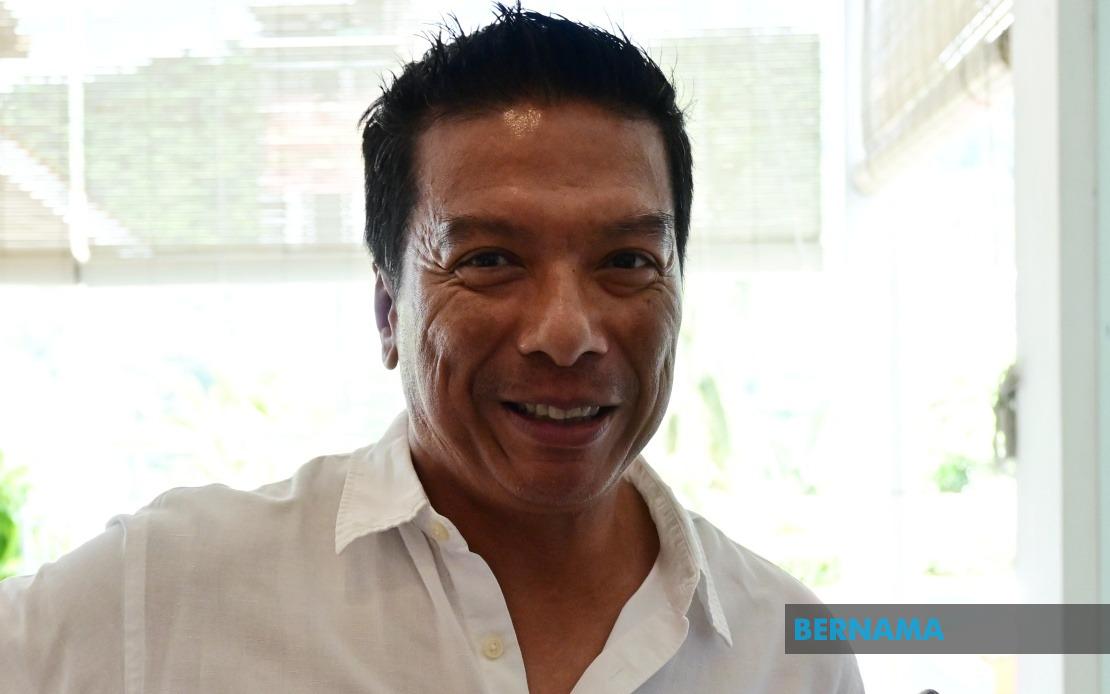
Former Sepang International Circuit chief executive Datuk Razlan Razali praised the government's subsidy scheme as exceptionally generous, noting that the RM200 entry point would democratise access to a world-class sporting spectacle. He highlighted the significance of the initiative given the uncertainty around Malaysia's future hosting prospects. According to the official Bahrain GP website, MyKad holders qualify for special pricing across six seating categories, ranging from RM200 for the G Hillstand to RM2,083.40 for the Main Grandstand. The B and C Hillstands are priced at RM809.60 each, while the F Grandstand costs RM1,291.40 and the K1 Grandstand RM1,386.
International visitors face significantly steeper charges, reflecting the premium nature of Formula 1 events globally. Foreign spectators can secure three-day passes at USD350.90 for the F Grandstand, USD376.20 for the K1 Grandstand, and USD565.40 for the Main Grandstand, with Hillstand tickets priced at USD220 each. The pricing disparity underscores how the Malaysian government has prioritised domestic participation while maintaining competitive international rates. Several seating categories, including the Main, K1, and F Grandstands, combine traditional seating with rooftop viewing platforms, while the Hillstands offer open, grass-covered spectating areas typical of modern circuit experiences.
The enthusiastic uptake of tickets reflects a confluence of factors reshaping global F1 fandom. The sport has experienced a dramatic surge in popularity among younger audiences and newcomers, substantially driven by the success of Netflix's documentary series Formula 1: Drive to Survive. First released in 2019, the programme revolutionised motorsport viewership by offering unprecedented behind-the-scenes access to team dynamics, driver rivalries, and the high-stakes drama surrounding competition. This content revolution has attracted millions of individuals to the sport who might never have engaged with traditional race coverage, fundamentally expanding the demographic reach of Formula 1 beyond its traditional enthusiast base.
The nine-year hiatus since Malaysia last hosted a Grand Prix in 2017 amplifies the significance of this October event. Sepang International Circuit staged the Malaysian GP consistently from 1999 to 2017 before the race was discontinued due to escalating operational costs and licensing fees. The financial burden of hosting F1 had become unsustainable for circuit operators and government authorities, creating a gap that has allowed rival regional circuits and emerging markets to expand their motorsport portfolios. The return of Formula 1 to Malaysian shores, albeit in the form of the Bahrain Grand Prix held at Sepang through bilateral cooperation between Malaysia and Bahrain, represents a partial restoration of the country's position within international motorsport calendars.
Razlan emphasised that Malaysia should leverage this momentum strategically to position itself as a credible motorsport destination. He advocated for extending the event's economic impact beyond the three-day racing window, suggesting that organisers should encourage international visitors to extend their stays to five or seven days, thereby maximising spending on accommodation, dining, shopping, and entertainment. This approach mirrors successful event tourism strategies in other nations, where major sporting occasions serve as anchors for broader tourism and business development initiatives.
The former circuit executive highlighted Singapore's sustained success in hosting Formula 1 since 2008 as a benchmark for Malaysian aspirations. Singapore's model encompasses not merely the race itself but ancillary experiences including concerts, exhibitions, and cultural programming that sustain visitor engagement throughout the event week. Razlan suggested that Malaysia should aim to replicate at least 70 per cent of Singapore's integrated event ecosystem before evaluating whether future motorsport investments generate adequate returns. This comparative analysis reflects the competitive dynamics within Southeast Asia, where multiple nations are vying to establish themselves as premium sports tourism destinations.
Razlan proposed that associated business forums and investment conferences could amplify the event's significance beyond motorsport, attracting corporate participation and generating sustained media attention. Such initiatives would position F1 as a platform for broader economic and trade discussions, potentially attracting decision-makers and investors who might not otherwise travel for racing alone. This multifaceted approach transforms a sporting spectacle into a comprehensive economic development opportunity, demonstrating how major events can catalyse broader regional positioning efforts.
Sports analyst Datuk Pekan Ramli concurred that the MADANI Ticket pricing represents sound policy, while also emphasising the value proposition offered to international visitors. He noted that the competitive pricing for foreign spectators, combined with Malaysia's reputation as a hospitable destination with developed tourism infrastructure, positions the country advantageously to capture international visitor spending. Beyond circuit revenues, Pekan Ramli highlighted the multiplier effects across hospitality, transportation, retail, and business services sectors. International visitors attending the Grand Prix will generate economic activity throughout Malaysia's tourism ecosystem, particularly in the Kuala Lumpur and Selangor regions surrounding Sepang.
The event carries symbolic weight for Malaysia's international standing within motorsport circles. Successfully hosting a Grand Prix, regardless of nomenclature, demonstrates technical capability, organisational competence, and commitment to world-class sporting standards. Pekan Ramli observed that securing and executing a major Formula 1 event enhances Malaysia's credentials as a credible motorsport host, potentially facilitating future negotiations with international sporting bodies. This institutional credibility accumulates over time, improving the nation's competitive position when bidding for subsequent major sporting events.
The timing of the Bahrain Grand Prix's relocation proves fortuitous for Malaysian interests. The event was originally scheduled for Bahrain International Circuit in April but was postponed to October following geopolitical tensions across West Asia. Holding the race at Sepang rather than cancelling entirely presents Malaysia with an unexpected opportunity to reclaim its position within international motorsport. This contingency outcome demonstrates how geopolitical factors can create unexpected economic opportunities for secondary markets willing to accommodate major sporting events.
Prime Minister Datuk Seri Anwar Ibrahim's announcement of the MADANI Ticket scheme reflects political recognition that major sporting events constitute public goods meriting government support. By subsidising domestic attendance, the government extends the social benefits of hosting international sporting events beyond wealthy spectators and corporate clients to broader constituencies. This democratisation philosophy aligns with inclusive economic development principles that have characterised recent Malaysian policy discourse.
Looking forward, the October 2026 event will provide crucial data regarding demand for motorsport entertainment in Malaysia and the country's capacity to deliver world-class race operations. Successful execution could revitalise discussions about securing a permanent Malaysian Grand Prix position within the F1 calendar. However, sustained success requires integrating Razlan's recommendations regarding extended tourism engagement and ancillary programming. The Bahrain Grand Prix at Sepang represents both an immediate tourism opportunity and a foundational step toward establishing Malaysia as a premier motorsport destination within Southeast Asia's competitive regional landscape.

