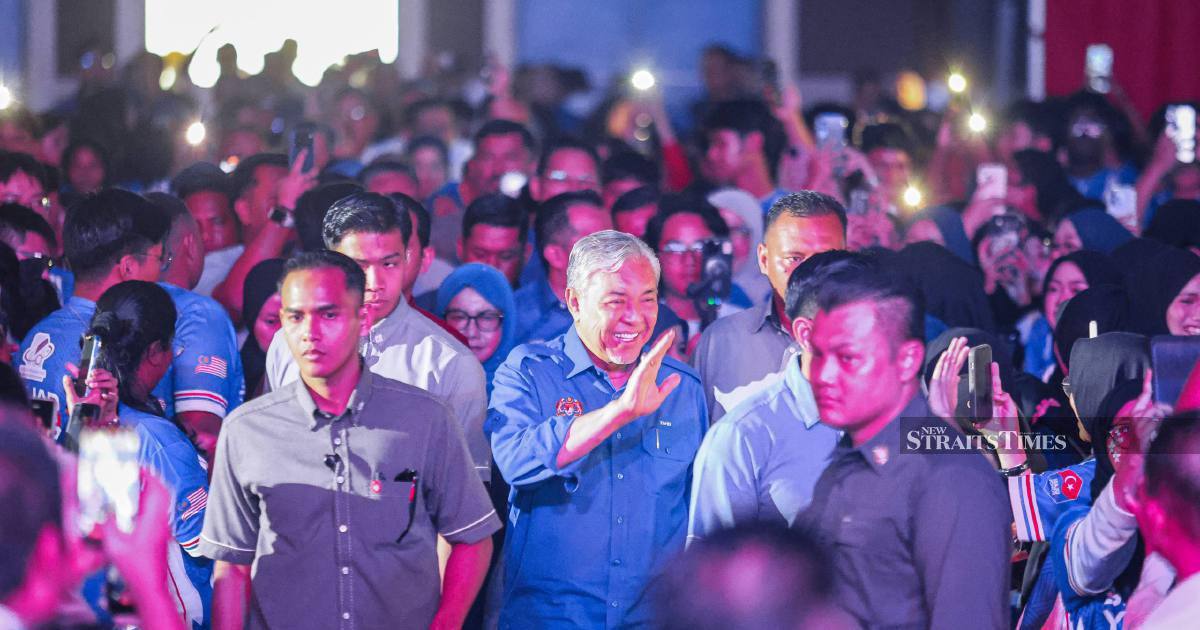
Barisan Nasional's leadership is making a direct appeal to Johor's younger electorate to rally behind caretaker menteri besar Datuk Onn Hafiz Ghazi as the coalition positions him as its centrepiece candidate for the July 11 state election. The strategy signals BN's determination to retain the pivotal southern state, where maintaining momentum among first-time and young voters could prove decisive in securing victory at the ballot box.
The outreach effort reflects a broader recognition within BN's hierarchy that youth engagement has become critical to electoral success in Malaysia. Younger voters, who increasingly make decisions based on governance records and development outcomes rather than traditional party loyalties, represent a crucial swing demographic in state contests. By specifically targeting this cohort, BN appears to be acknowledging that Onn Hafiz's tenure as caretaker menteri besar has generated tangible results that warrant confidence from a generation often characterised as more demanding of transparent, accountable leadership.
Johor's development trajectory under Onn Hafiz's stewardship forms the centrepiece of BN's campaign narrative. The state has undertaken substantial infrastructure projects, from transport improvements to economic diversification initiatives, that provide concrete evidence of progressive governance. For younger voters weighing their electoral choices, such visible transformations carry weight, particularly when they directly affect livelihood prospects, job creation, and quality of life in their communities.
The July 11 election carries implications extending well beyond Johor's borders. As the nation's second-most populous state and home to critical economic zones including Iskandar Malaysia, the state election serves as a barometer for federal political sentiment. A strong BN performance could strengthen Prime Minister's hand in navigating coalition dynamics, whilst conversely, any erosion of support would signal shifting voter preferences that opposition parties would seek to exploit in future national contests.
Onn Hafiz's positioning as BN's flagship candidate represents a calculated choice by the coalition's strategists. Unlike some caretaker administrators who merely maintain the status quo, his approach has been proactive, introducing policy initiatives and accelerating previously stalled projects. This distinction matters to younger voters who distinguish between custodian-style leadership and transformative governance. By framing continued support for Onn Hafiz as essential to preserving development gains, BN constructs a forward-looking narrative rather than resting on historical achievements.
The youth-focused campaign strategy also addresses demographic realities in Johor. The state has a substantial proportion of voters under 40, many of whom came of political age during periods of institutional trust deficits. Winning their confidence requires more than rhetorical appeals; it demands demonstrated competence in delivering services, managing state finances transparently, and responding to pressing concerns affecting younger Malaysians—employment quality, housing affordability, education opportunities, and environmental sustainability.
Onn Hafiz's record on these fronts will shape the campaign's resonance. Whether his administration has successfully addressed youth unemployment, supported first-home buyers, or championed green initiatives will determine whether the appeal to continue supporting his leadership strikes voters as substantive or merely opportunistic. The effectiveness of BN's youth outreach hinges on whether Onn Hafiz can authentically claim progress on issues that matter most to this demographic.
Regionally, Johor's election outcome influences Malaysian politics at a broader scale. The state's political direction affects opposition momentum, particularly as DAP and PKR seek to expand their foothold in traditionally BN-dominated territory. A decisive BN victory would vindicate the coalition's current strategic direction, whilst a narrowed margin or opposition gains would embolden challengers to intensify efforts in other states with comparable demographic and economic profiles.
The appeal to youth also reflects generational shifts in how politics functions on the ground. Social media, grassroots organising, and peer-to-peer persuasion have become as influential as traditional party machinery. BN's targeted engagement with young voters acknowledges this reality, signalling that the coalition recognises younger Malaysians vote on the basis of issues, competence, and perceived governance quality—not merely inherited party affiliation.
For Onn Hafiz personally, the July 11 election represents a crucial inflection point in his political trajectory. A resounding mandate would position him as a rising figure within UMNO and the broader coalition, validating his leadership model. Conversely, any setback would invite questions about his viability for future roles and might open space for competing factions within BN to advance alternative candidates for subsequent contests.
The campaign's youth-centric framing ultimately reflects a sophisticated understanding of contemporary Malaysian electoral dynamics. Younger voters possess significant collective influence, their participation rates determine electoral competitiveness, and their policy preferences shape the agenda that winning parties must subsequently implement. By making an explicit case for youth support around continued development under Onn Hafiz, BN is signalling that it takes seriously the need to remain relevant to voters who will shape Malaysia's political landscape for decades ahead.

