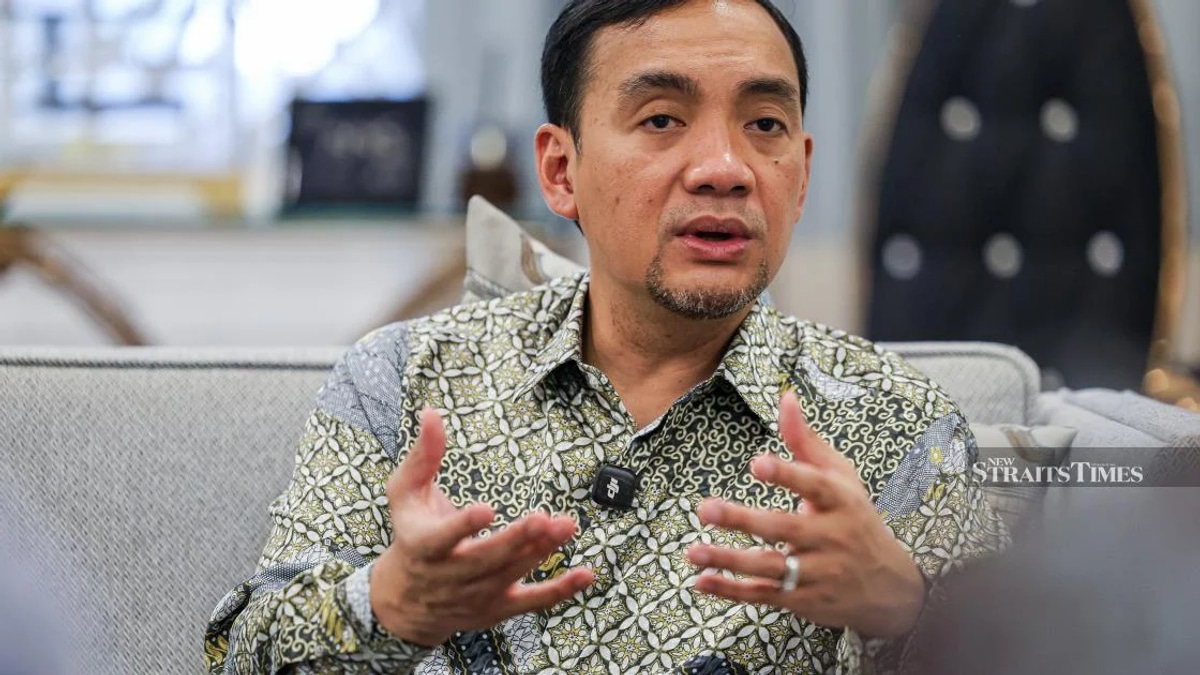
Two prominent figures within Perikatan Nasional have been stripped of their leadership responsibilities in what amounts to a significant shake-up of the coalition's organisational hierarchy. Datuk Seri Mohamed Azmin Ali and Datuk Dr Mohd Radzi Md Jidin were among those affected in the reshuffle, which signals ongoing internal adjustments within the opposition coalition as it continues to position itself for potential political opportunities in Malaysia's fluid political landscape.
The removal of these two figures reflects the complex dynamics at play within Perikatan Nasional, a coalition that has experienced considerable volatility since its formation. The group, which comprises PKR defectors, PAS, Bersatu, and other smaller parties, has been attempting to consolidate its standing and present a unified front to voters. Such leadership changes often indicate attempts to streamline decision-making structures or resolve underlying tensions between coalition partners regarding direction and resource allocation.
Mohamed Azmin Ali's political career has been marked by significant transitions. Once a trusted lieutenant within PKR under Anwar Ibrahim, his move to Bersatu and subsequently his prominent positioning within Perikatan Nasional represented a major realignment in Malaysian opposition politics. His removal from a leadership post within the coalition raises questions about his future trajectory and whether this signals diminished influence or represents a strategic repositioning within the broader political ecosystem.
Mohd Radzi Md Jidin, who served in various capacities including health portfolio responsibilities during previous government configurations, likewise occupied a position of relative prominence within Perikatan Nasional's structural arrangement. His departure from a leadership role suggests the coalition is evaluating the contributions and relevance of its senior members as it prepares for potential future electoral contests and coalition formations.
These removals must be understood within the context of Malaysian coalitional politics, where partnership dynamics remain fluid and positions are frequently adjusted based on electoral performance, factional considerations, and perceptions of political utility. Unlike mature democracies with stable party structures, Malaysian coalitions often resemble negotiated arrangements that require constant recalibration to maintain cohesion among sometimes competing interests and ideological positions.
For Malaysian observers and political analysts, such reshuffles carry implications beyond mere organisational housekeeping. Leadership changes within major coalitions signal the direction of political momentum and may indicate which individuals are gaining or losing influence within their respective parties. This particular adjustment within Perikatan Nasional will likely be scrutinised for what it reveals about the coalition's strategic priorities and whether it represents a shift toward greater emphasis on particular ideological orientations or demographic appeals.
The timing and manner of such removals also carry significance in Malaysian political culture, where perceptions of strength, unity, and purposeful leadership often determine public confidence in political alternatives. A coalition seen as chronically unstable or fractious may struggle to attract votes from undecided constituencies, while one that projects coherent direction and resolute decision-making may find increased receptiveness among voters evaluating options for change or continuity.
For Perikatan Nasional specifically, these adjustments occur as the coalition continues efforts to establish itself as a credible alternative to Malaysia's traditional political arrangements. The coalition has contested recent elections and participated in various state-level governance arrangements, gaining valuable experience but also encountering organisational challenges inherent to newer political formations. Strategic leadership decisions therefore become crucial to demonstrating capability and reliability to potential supporters and coalition partners.
The broader Malaysian political environment remains characterised by significant uncertainty regarding future electoral outcomes and governmental formations. The upcoming electoral cycles at state and national levels will test the viability of various coalitional arrangements, including Perikatan Nasional's capacity to present unified candidacies and coherent policy platforms. Leadership reshuffles must therefore be evaluated partly as preparations for these forthcoming electoral contests and partly as efforts to address internal disagreements or performance evaluations.
For Southeast Asian observers, Malaysia's coalitional dynamics merit attention as the region continues grappling with questions of democratic governance, institutional stability, and political alternation. Malaysian coalition politics demonstrates both the flexibility and fragility inherent to systems where no single party commands permanent dominance, creating environments where various groups can compete for influence but where sustained coherence and long-term strategy sometimes prove elusive.
Moving forward, the implications of Azmin and Radzi's removal will likely become clearer as Perikatan Nasional elaborates upon the specific reasons for these changes and announces replacement appointments to the positions vacated. Their response to these developments and any subsequent political activity will provide further insight into factional alignments and ambitions within Malaysia's complex opposition landscape.