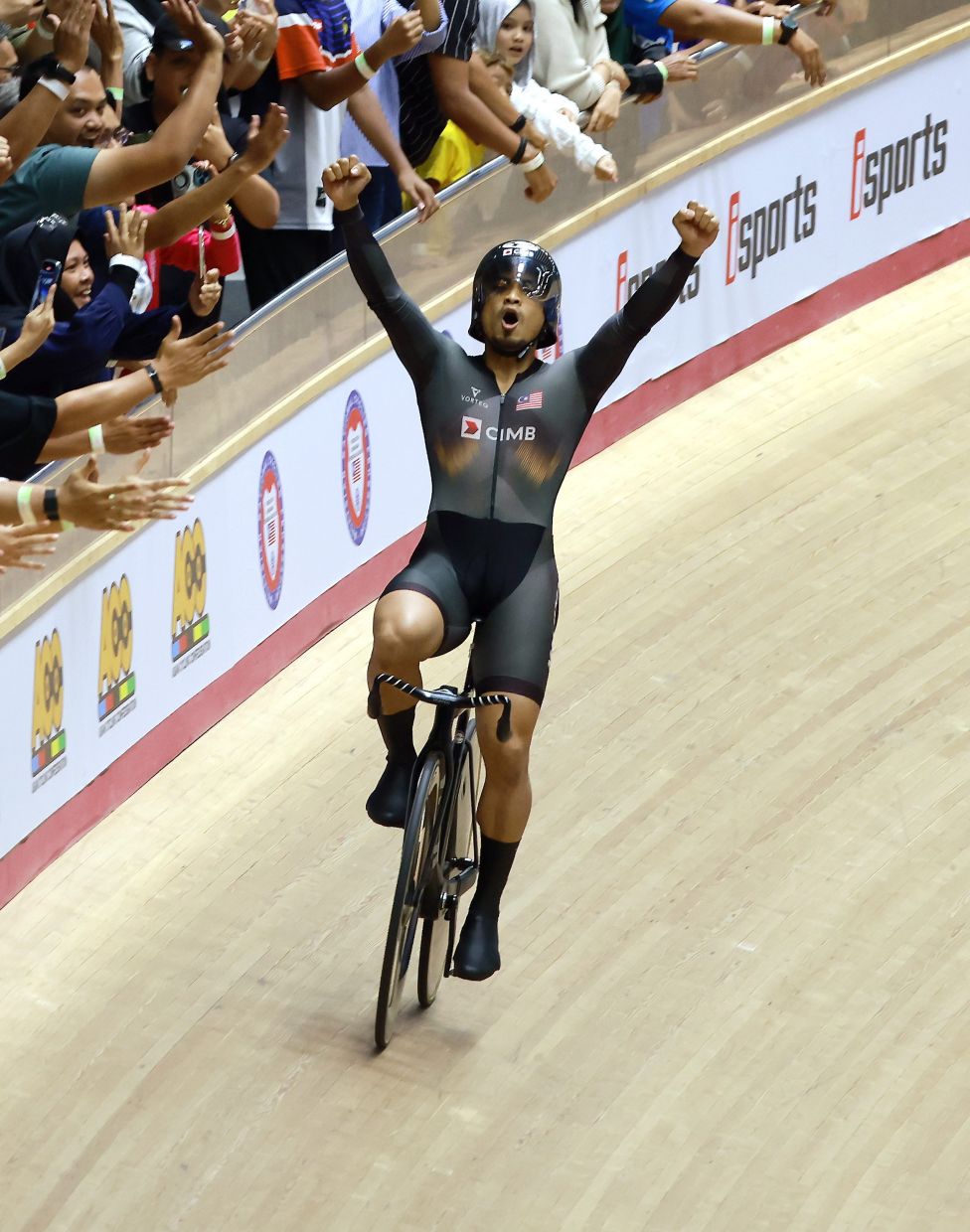
In an emotional moment captured on social media, veteran track cyclist Azizulhasni Awang revealed his relief after receiving official confirmation that Malaysia will support his Olympic qualification journey toward the 2028 Los Angeles Games. The 38-year-old, who has signalled his intention to retire from competitive cycling, opened an email from the National Sports Council (NSC) and Youth and Sports Ministry while training at the velodrome on Merdeka Day, August 31, marking the end of an anxious waiting period that had stretched back to the Glasgow Commonwealth Games.
The emotional breakthrough came as a turning point for the decorated cyclist, who has long wrestled with the decision to extend his career. Azizulhasni explained that the uncertainty surrounding his future had affected his physical and mental readiness for training, with a full week of preparation lost to anxiety about whether Malaysian authorities would commit to backing his qualification bid. His vulnerability in sharing this struggle reflected the toll that bureaucratic delays can exact on athletes in their twilight years, particularly those competing at the highest international level where momentum and consistency are critical to success.
The Malaysian National Cycling Federation (MNCF) had previously announced that NSC and the ministry would provide the necessary support infrastructure for Azizulhasni to mount a serious attempt at qualifying for Los Angeles. This commitment encompasses financial backing, coaching resources, and institutional endorsement—elements essential for an ageing athlete to remain competitive against younger rivals from cycling powerhouses around the world. The confirmation removes the sword of Damocles that has hung over his training and planning.
Azizulhasni's public struggle had generated significant controversy within Malaysian sports circles and attracted widespread public sympathy. The former keirin world champion had grown increasingly vocal about the prolonged indecision, taking to social media to express his frustration with the pace of bureaucratic decision-making. His candour struck a chord with ordinary Malaysians and athletics enthusiasts, who recognised the unfairness of leaving an athlete of his calibre in limbo while facing career decisions that could not be easily reversed.
Youth and Sports Minister Dr Taufiq Johari and the NSC faced considerable public criticism for the delayed announcement. Social media criticism mounted as netizens rallied behind Azizulhasni, questioning why a respected national champion should be forced to endure such uncertainty. The public pressure appears to have hastened the ministry's decision-making process, demonstrating the power of grassroots support in influencing government action on sporting matters. This episode illuminates a broader tension in Malaysian sports administration between bureaucratic timelines and the pressing needs of individual athletes.
Azizulhasni's potential participation in Los Angeles 2028 carries symbolic weight beyond his individual Olympic ambitions. At 38 years old, he would be among the oldest competitors in track cycling at the Games, yet his experience and technical mastery in disciplines like the keirin remain formidable assets. His participation would showcase Malaysian cycling on a global platform and provide inspiration to younger athletes about longevity and dedication to national sporting achievement. The keirin event, which combines elements of tactical racing and explosive power, suits experienced riders who can read competitors and execute race strategy with precision.
The decision to back Azizulhasni reflects broader questions about athlete retention and career management within Malaysian sports policy. Unlike some nations with structured athlete support systems that recognise the value of maintaining world-class performers through their later competitive years, Malaysia has historically struggled to provide seamless transitions or extended support for aging champions. Azizulhasni's case suggests a possible shift toward valuing the contributions of established athletes rather than exclusively focusing resources on developing younger talent pipelines.
For Azizulhasni personally, the confirmation represents permission to commit fully to his final Olympic campaign. He indicated that the decision would enable him to focus mental energy on the technical and physical preparation required for Los Angeles 2028, without the distraction of uncertainties about funding and institutional support. The emotional release visible in his video message underscores how profoundly the waiting period had weighed upon him, and how validation from authorities can restore confidence and motivation.
The cyclist publicly thanked the thousands of Malaysians whose expressions of support proved instrumental in sustaining him through the uncertain period. He reiterated his commitment to maximising his remaining competitive years in service of his country, framing his continued participation as a debt to both Malaysian sporting traditions and the public backing that had sustained him. This rhetoric of reciprocal obligation between athlete and nation reflects deeply held values within Malaysian sports culture, where national representation carries moral significance beyond medal counts.
Looking ahead, Azizulhasni's confirmed participation in the LA 2028 qualification campaign provides the Malaysian cycling programme with a window to showcase technical expertise and cultivate interest in track cycling disciplines among younger athletes. His presence on the international circuit over the next four years can elevate the profile of Malaysian cycling while creating mentoring opportunities for emerging talent. The confirmation thus transcends the individual athlete's career arc, potentially benefiting the broader Malaysian cycling ecosystem.

