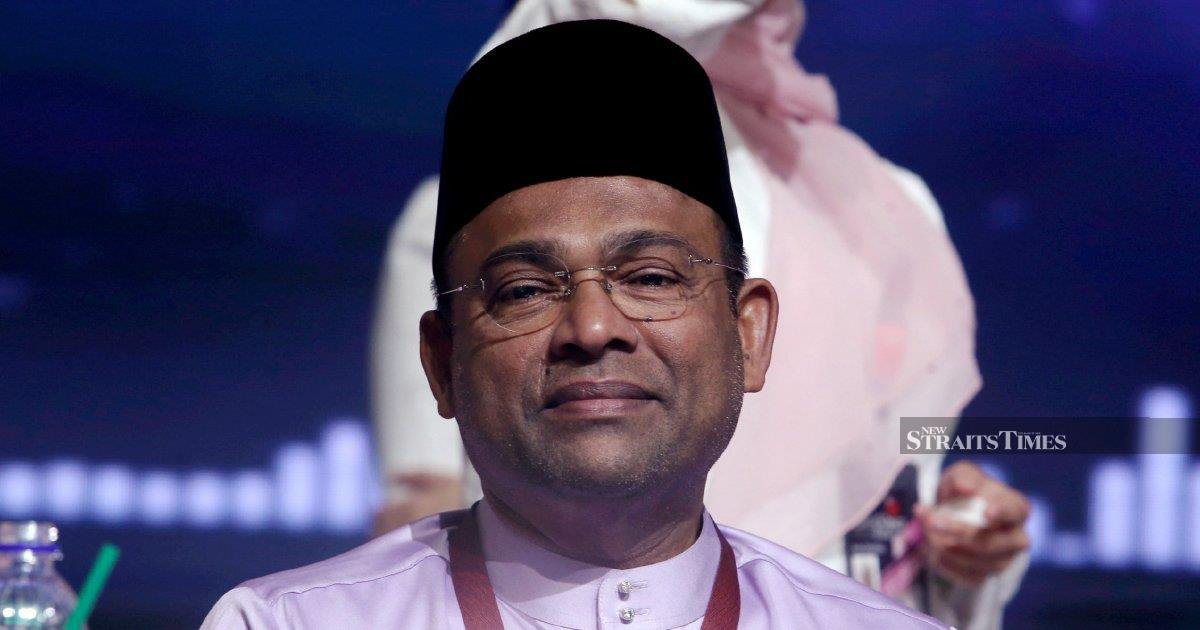
Datuk Seri Abdul Azeez Abdul Rahim, who previously led Tabung Haji, has dismissed demands from Bersatu for him to disclose whether he has been questioned by the Malaysian Anti-Corruption Commission regarding findings from the Royal Commission of Inquiry into the troubled pilgrim fund. The former chairman's response marks a pointed pushback against the opposition coalition's attempt to draw him into public statements about the ongoing investigation into Tabung Haji's management.
The RCI, which concluded its examination of how Tabung Haji accumulated substantial losses in its investment portfolio, submitted its report to relevant authorities last year. The inquiry's findings have sparked broader questions about accountability within the institution, which manages savings for Malaysian pilgrims intending to undertake the Hajj pilgrimage. Bersatu has used the report as a focal point for calls demanding greater transparency about who among the fund's former leadership faces potential investigation.
Azeez's position that his name does not appear in the commission's official report provides a technical basis for his refusal to elaborate on any communications with MACC. This distinction between being named in investigative documents and potentially becoming a subject of inquiry has become increasingly significant in Malaysian political discourse, where former officials often rely on such clarifications when deflecting scrutiny. However, the absence of a name in a public report does not necessarily indicate immunity from investigation, particularly in cases involving institutional malfeasance affecting public assets.
The Tabung Haji situation has attracted intense scrutiny from multiple quarters, including parliamentary committees, civil society organisations, and affected pilgrims whose savings have diminished due to investment losses. The fund's difficulties have raised systemic questions about governance structures, investment decision-making processes, and oversight mechanisms within institutions managing public money. For Malaysian readers concerned about pension and savings schemes, the Tabung Haji controversy underscores vulnerabilities in how government-linked entities handle citizen assets.
Bersatu's intervention reflects the political sensitivity surrounding Tabung Haji, an institution with deep resonance among Malaysia's Muslim majority and particularly among middle-class and lower-income Malaysians saving for the religious obligation of Hajj. Any perception of mismanagement or inadequate accountability can mobilise voter sentiment, making the issue a persistent feature in political debate. The coalition's demand that Azeez clarify his position appears designed to maintain pressure on the issue heading into ongoing political cycles.
Azeez's refusal to confirm or deny MACC contact, while anchored to the claim that his name does not feature in the RCI report, represents a calculated approach to limiting his exposure without directly contradicting public records. This strategy reflects a broader pattern among Malaysian officials facing corruption-related inquiries, where technical denials and procedural objections can effectively forestall substantive public engagement. Whether such approaches satisfy public expectations for accountability remains contested among political observers and civil society advocates.
The broader Tabung Haji matter encapsulates recurring challenges in Malaysian governance: how to balance investigative processes conducted by anti-corruption authorities with public demands for timely disclosure and accountability. The RCI mechanism itself, while producing detailed findings, operates within confidentiality frameworks that limit what conclusions and recommendations can be immediately publicised. This tension between institutional investigation and public information has frustrated stakeholders seeking clarity about institutional failings.
For Southeast Asian observers monitoring governance trends across the region, the Tabung Haji episode illustrates how religious and cultural institutions managing public resources face distinct pressures. When investment portfolios underperform or assets depreciate—as occurred with Tabung Haji—questions about competency, oversight, and accountability intensify. The political dimensions become equally important as the financial ones, particularly in diverse democracies where trust in public institutions directly affects citizens' willingness to participate in government-administered savings schemes.
The investment losses experienced by Tabung Haji have proven substantial enough to warrant a Royal Commission investigation, signalling official recognition that matters of concern extended beyond routine market fluctuations. Understanding what systemic weaknesses or decision-making failures contributed to these losses remains important for reform-minded policymakers considering how to strengthen governance frameworks across similar institutions. Azeez's evasive response to Bersatu's questioning does little to advance this transparency agenda.
Moving forward, the resolution of Tabung Haji's difficulties will likely depend less on political statements from former officials and more on concrete institutional reforms, improved investment oversight, enhanced regulatory frameworks, and potentially leadership changes at the fund. MACC investigations, when concluded, may provide additional factual clarity about individual responsibilities, though their findings typically require careful interpretation within legal and ethical contexts. For Malaysian pilgrims and their families, restoring confidence in the fund's management and demonstrating a genuine commitment to fiduciary responsibility represents the most pressing concern underlying these governance debates.

