Law enforcement agencies in Malaysia have opened formal investigations into the circumstances surrounding a death that occurred while an individual was in custody, concurrent with documented allegations of abuse that have drawn the attention of rights advocates. The incident and accompanying claims of misconduct have sparked official scrutiny into detention practices and the welfare of individuals held by authorities.
Suaram, the prominent civil rights organisation active across Malaysia, has compiled and presented evidence regarding allegations of mistreatment in custody. The group's involvement signals that concerns about the treatment of detainees have reached beyond informal complaints to systematic documentation by established oversight bodies. Such interventions by human rights groups often serve as catalysts for formal governmental response and public accountability mechanisms.
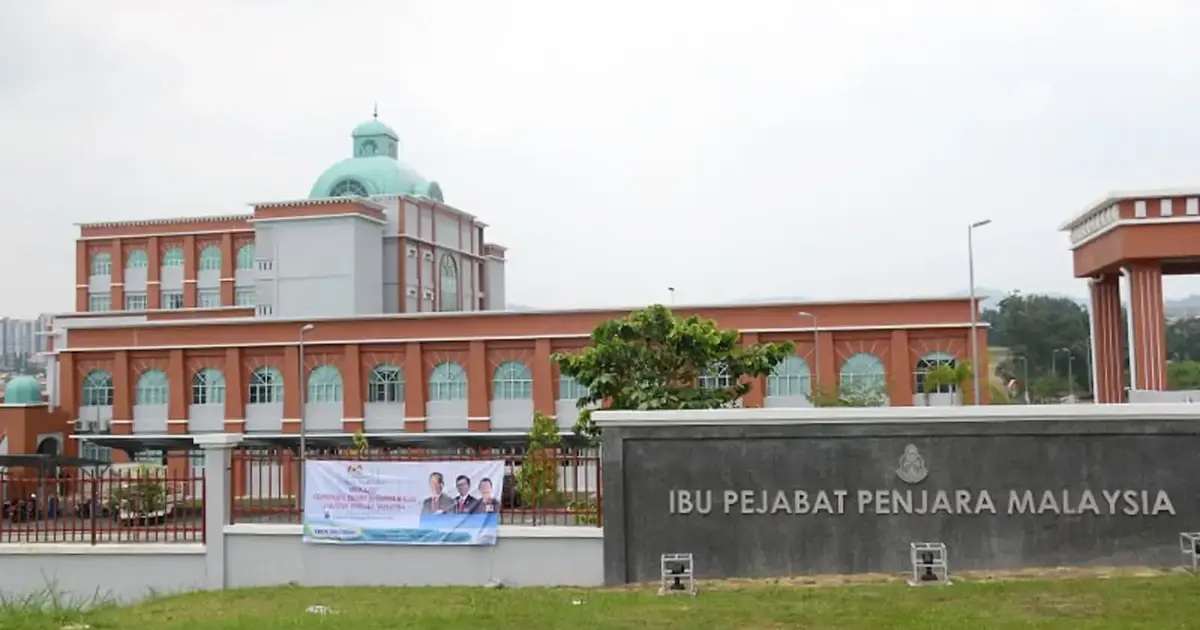
The Department of Prisons has issued a public statement asserting its intention to participate fully in the investigative process. Officials have emphasised that the department recognises the gravity of the allegations and the importance of transparent inquiry. This commitment to cooperation represents a standard protocol when serious allegations emerge concerning conditions or conduct within custodial facilities, though the actual implementation and scope of such investigations frequently come under scrutiny from observers.
The authorities have simultaneously discouraged public speculation about the matter pending completion of inquiries. This appeal reflects a common governmental approach to sensitive investigations, seeking to preserve the integrity of fact-finding processes while managing public discourse. However, such calls for restraint sometimes generate debate about transparency versus investigative confidentiality, particularly when human rights concerns form the basis of scrutiny.
Custody-related deaths and abuse allegations represent persistent challenges within Malaysia's criminal justice system, warranting examination of detention protocols and oversight mechanisms. Previous incidents have prompted parliamentary debates and civil society advocacy for reform, establishing a documented pattern rather than isolated occurrences. The current investigation thus occurs within a broader context of ongoing conversations about detainee protection standards.
Suaram's role in documenting and escalating such allegations underscores the continuing importance of independent monitoring in the absence of comprehensive public reporting on custodial matters. The organisation has historically focused attention on cases that might otherwise receive limited visibility, functioning as an institutional counterweight to official narratives. Their involvement typically elevates the profile of investigations and introduces external scrutiny into what might otherwise remain internal departmental processes.
The investigation's scope and findings will likely influence policy discussions regarding custodial oversight, staff training protocols, and accountability frameworks within Malaysian detention facilities. Both the prisons department and law enforcement agencies face reputational stakes in how thoroughly and transparently they handle such matters. The conclusions reached may also inform legislative proposals or administrative reforms if systemic deficiencies are identified.
Southeast Asian nations including Malaysia have faced international attention regarding detention practices and human rights compliance. International observer bodies, diplomatic missions, and transnational human rights networks routinely monitor such investigations. How Malaysian authorities conduct this inquiry may therefore carry implications beyond domestic governance, affecting international perceptions of the nation's commitment to custodial standards and rule of law principles.
For Malaysian citizens and civil society organisations, this investigation represents both a test of institutional responsiveness to serious allegations and an opportunity for systemic evaluation. The manner in which authorities handle the inquiry—including the transparency of findings and responsiveness to recommendations emerging from the investigation—will likely shape public confidence in official oversight mechanisms. Stakeholders will be particularly attentive to whether investigative conclusions lead to substantive accountability measures or procedural adjustments.
The intersection of this investigation with established patterns of custodial concerns suggests deeper structural questions requiring attention beyond the immediate incident. Issues including interrogation practices, detention conditions, medical care protocols, and complaint mechanisms within facilities merit examination alongside investigation into the specific death and abuse allegations. Comprehensive reform discussions may emerge depending on what investigators determine regarding systemic vulnerabilities.

