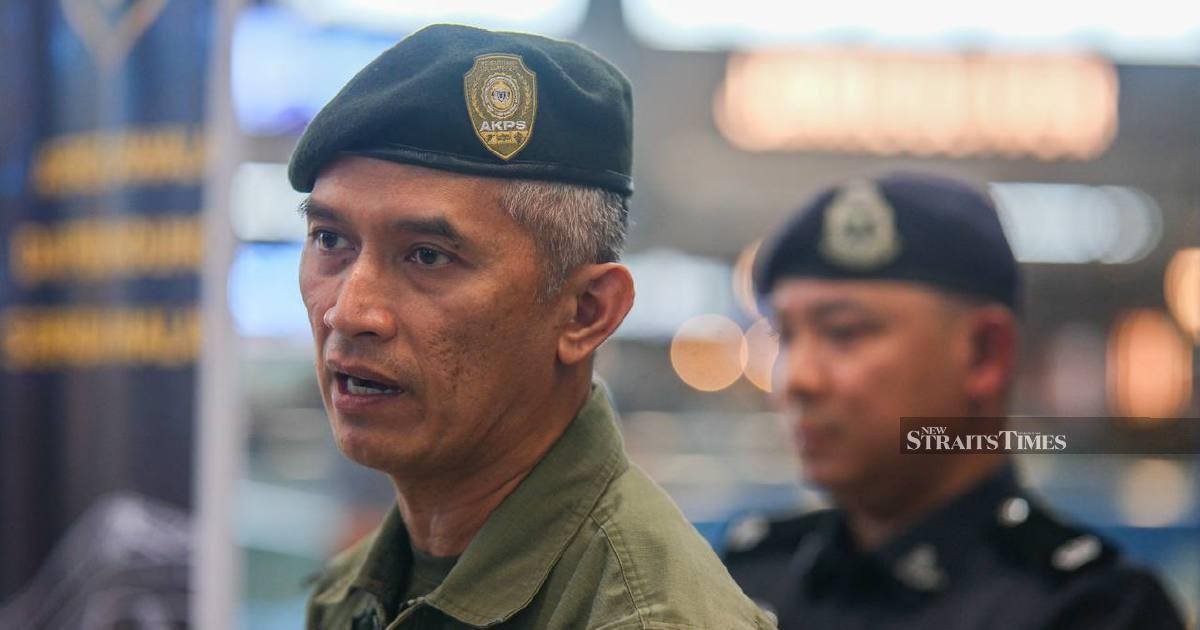
The Malaysia Border Control and Protection Agency (MCBA) declined to draw conclusions about the involvement of counter-setting operations in the high-profile case of a Malaysia Airlines pilot arrested on drug-related charges across the border in Indonesia, according to comments made at Sepang. Officials indicated that the investigation remains at too preliminary a stage to make definitive assertions regarding whether such tactics played a role in the events surrounding the pilot's apprehension.
Counter-setting refers to a law enforcement technique wherein authorities deliberately allow or facilitate the movement of contraband or suspected offenders to trace broader criminal networks and identify higher-level operatives. The distinction matters considerably in this context, as it determines whether Indonesian authorities acted independently or coordinated with Malaysian counterparts during the operation. Understanding this operational distinction carries significance not only for bilateral relations but also for establishing where responsibility lies in a case that has drawn attention across Southeast Asia's aviation and enforcement communities.
The MCBA's cautious stance reflects the complexity inherent in transnational drug cases involving licensed pilots with access to international travel routes and aircraft. Malaysia Airlines, as the country's flagship carrier, faces reputational considerations in how such incidents are handled and communicated to the public and regulatory bodies. The involvement of a commercial pilot in alleged smuggling operations raises broader questions about security protocols at major airlines and the vetting procedures that monitor employee conduct across international routes.
Shuhaily, speaking on the agency's behalf, emphasized that preliminary findings cannot yet definitively address whether controlled delivery or undercover tactics were deployed to build a stronger prosecution case. Such methodologies, while effective for dismantling organized crime structures, require meticulous documentation and mutual understanding between participating nations. Indonesia and Malaysia maintain established channels for law enforcement cooperation, though their application in aviation-related offences occasionally generates diplomatic nuances that demand careful navigation.
The timing of the public statement suggests authorities wish to manage expectations while intensive investigative work continues behind the scenes. Both nations' enforcement agencies typically coordinate on cases involving cross-border criminal activity, yet the specific operational role each played remains undisclosed pending fuller investigation. This measured approach also protects the integrity of ongoing proceedings and ensures that premature conclusions do not compromise prosecution strategies or complicate legal arguments that may unfold in Indonesian courts.
Industry observers note that pilot involvement in narcotics trafficking represents a recurring concern for international aviation authorities, given the occupational advantages such personnel possess—access to aircraft, knowledge of security protocols, and international mobility that facilitates smuggling routes. Malaysia's aviation sector, a critical component of regional logistics and transport infrastructure, faces potential reputational damage from such incidents. Airlines operating across Southeast Asia have consequently implemented stricter employee monitoring and cooperation with customs and border agencies to preempt similar situations.
The case also underscores the evolving nature of drug trafficking methodologies in Southeast Asia, where syndicates continuously adapt tactics to exploit vulnerabilities in supply chains and personnel access. A pilot's clearance to international travel routes and reduced baggage scrutiny compared to ordinary passengers creates obvious operational advantages for criminal organizations seeking to move controlled substances. This reality drives border protection agencies to develop more sophisticated profiling and surveillance techniques, particularly around aviation personnel and transport hubs.
Malaysian authorities' decision to maintain investigative openness rather than foreclose possibilities aligns with international best practices in complex cross-border cases. Premature conclusions frequently complicate extradition negotiations, complicate diplomatic channels, and undermine the evidentiary foundation required for prosecution. The MCBA's acknowledgment that counter-setting remains a possibility—or that it might be ruled out following fuller examination—preserves investigative flexibility while demonstrating institutional due diligence to Malaysian courts and the public.
The evolving details of this case will likely influence how Malaysian aviation companies and enforcement agencies coordinate on security and compliance matters going forward. Incidents involving licensed pilots carry amplified implications for industry confidence and regulatory oversight. Both Malaysia Airlines and regulatory authorities must address any systemic gaps in employee vetting, behavioral monitoring, or cooperation protocols that may have contributed to the situation. Such refinements typically follow high-profile cases involving transportation professionals.
From a regional perspective, the case exemplifies how transnational crime continues to challenge the interconnected infrastructure of Southeast Asian nations. Drug trafficking networks routinely exploit the mobility advantages offered by aviation professionals, making international cooperation imperative. Malaysia and Indonesia's relationship in combating such activities remains constructive, though specific operational details—including whether counter-setting tactics were employed—require careful, thorough investigation before public disclosure. Officials' commitment to following evidence rather than rushing judgment reflects the professionalism expected of agencies operating across borders where stakes involve both criminal justice and diplomatic considerations.
Looking ahead, the investigation's conclusions will likely inform how Malaysian authorities approach similar cases involving commercial aviators and transnational drug operations. The transparency with which the MCBA handles this matter, balanced against legitimate investigative confidentiality, will shape public understanding of how effectively border control agencies protect the nation's aviation sector from exploitation by criminal enterprises. The weeks ahead promise to yield clearer answers about counter-setting's role and broader implications for regional security protocols.

