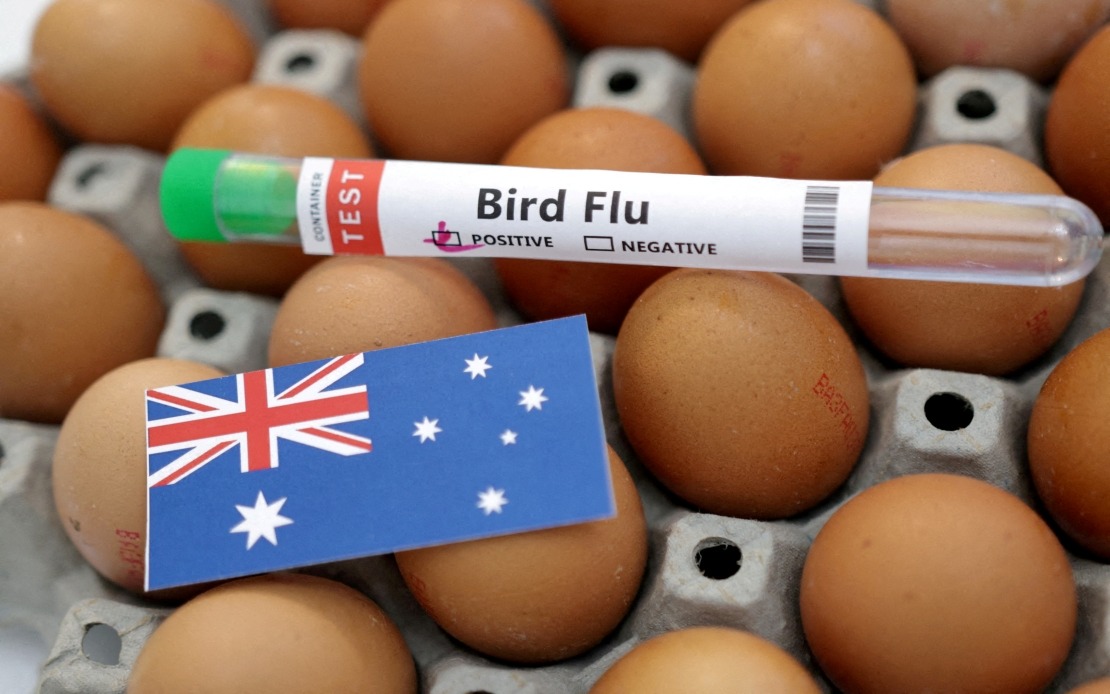
Australia is confronting a rapidly escalating avian influenza crisis as confirmed and presumed H5N1 cases surged past the 200 threshold over the weekend. The federal Department of Agriculture, Fisheries and Forestry recorded 203 cases as of Saturday, marking a dramatic acceleration of the outbreak that threatens both wildlife and commercial poultry operations across the nation. The speed of the surge—with case numbers climbing 290 per cent during August alone compared to just 52 at the end of July—has triggered emergency responses from state governments and raised questions about pandemic preparedness in the region.
South Australia remains the epicentre of the crisis, accounting for nearly three-quarters of all documented infections with 147 total cases. Among these, 28 new detections were confirmed on Saturday alone, predominantly affecting wild seabirds along the coast. The concentration of cases in South Australia suggests the virus may have established a significant reservoir among migratory bird populations, which could facilitate its spread across state borders and to neighbouring regions including Southeast Asia through established migration patterns.
Victoria has emerged as the secondary hotspot with 43 recorded cases, establishing the state as a critical vulnerability point in Australia's biosecurity perimeter. The most recent cluster involved 36 infected birds discovered in western Victoria near the South Australian border on Thursday and Friday, indicating the virus's ability to traverse geographic boundaries despite natural and administrative barriers. This geographic spread pattern mirrors concerns shared by epidemiologists across the region regarding how quickly novel strains can penetrate and establish footholds in new territories.
In response to escalating transmission, the Victorian government implemented precautionary containment measures on Friday that represent a significant intervention in agricultural operations. Poultry producers operating along Victoria's south coast, encompassing the greater Melbourne region, must now house flocks of 50 birds or more indoors for a mandatory two-week period. The directive reflects mounting anxiety that outdoor poultry could serve as a bridge for the virus to transition from wild bird populations to commercial farming operations, where densely packed birds would amplify transmission exponentially.
Victorian Agriculture Minister Michaela Settle characterised the indoor confinement requirement as a precautionary strategy intended to create a biological buffer between wild reservoir populations and domestic poultry infrastructure. While such measures are standard in avian influenza response protocols internationally, their implementation in Australia signals that authorities view the current outbreak as sufficiently severe to warrant disruption of normal agricultural practices. The temporary nature of the directive—initially set for 14 days—suggests officials anticipate either containing the spread or reassessing the situation within that timeframe.
The distinction between confirmed cases in wild seabirds and those in domestic poultry carries profound implications for both immediate containment efforts and longer-term control strategies. Wild bird infections, comprising the majority of current cases, indicate established environmental circulation of the virus, which is substantially more difficult to interrupt than containment of isolated domestic outbreaks. The fact that South Australia's new cases were exclusively wild seabirds reinforces that natural populations remain the primary transmission vector at present, though the risk of spillover to commercial operations intensifies as case numbers climb.
For Malaysia and broader Southeast Asia, Australia's outbreak carries instructive and cautionary significance. The region imports poultry products and engages in substantial wildlife trade, creating multiple pathways through which H5N1 could establish itself in new territories. Australian biosecurity responses, including the Victorian indoor confinement measure, represent benchmarks for how regional nations might respond to similar outbreaks. The rapid escalation in August demonstrates how quickly avian influenza can surge when environmental conditions favour transmission, a consideration particularly relevant to tropical Southeast Asia's warm, humid climate.
The outbreak also underscores persistent vulnerabilities in global disease surveillance and coordination. While Australia's federal system tracked and publicly reported case numbers promptly, the underlying question of how the virus initially arrived and why it spread so rapidly through wild bird populations during August remains partly unclear. Regional countries should examine whether comparable monitoring systems exist for early detection of similar outbreaks in their own territories, particularly around poultry markets and migratory bird habitats that frequently host international species.
Longer-term implications extend beyond immediate containment concerns. If H5N1 becomes established in Australian wildlife populations, it may persist as a chronic source of infection that complicates future outbreak responses. The economic ramifications for Victoria's poultry industry—including lost productivity during confinement periods and potential market restrictions if cases appear in commercial flocks—provide a tangible reminder of avian influenza's financial toll. Such costs underscore why early, aggressive intervention, even when economically disruptive, often proves cheaper than managing widespread commercial outbreaks.
Australia's outbreak trajectory over the coming weeks will substantially influence regional disease management thinking. Should the Victorian measures successfully prevent spillover to domestic poultry while wild bird cases plateau, they would validate preventive agricultural interventions. Conversely, if cases continue escalating or appear in commercial operations, the incident would demonstrate that even proactive responses struggle against highly transmissible respiratory viruses circulating in migratory wildlife. Either outcome carries lessons that Malaysian and Southeast Asian agricultural and health authorities should monitor closely and integrate into their own preparedness frameworks.

