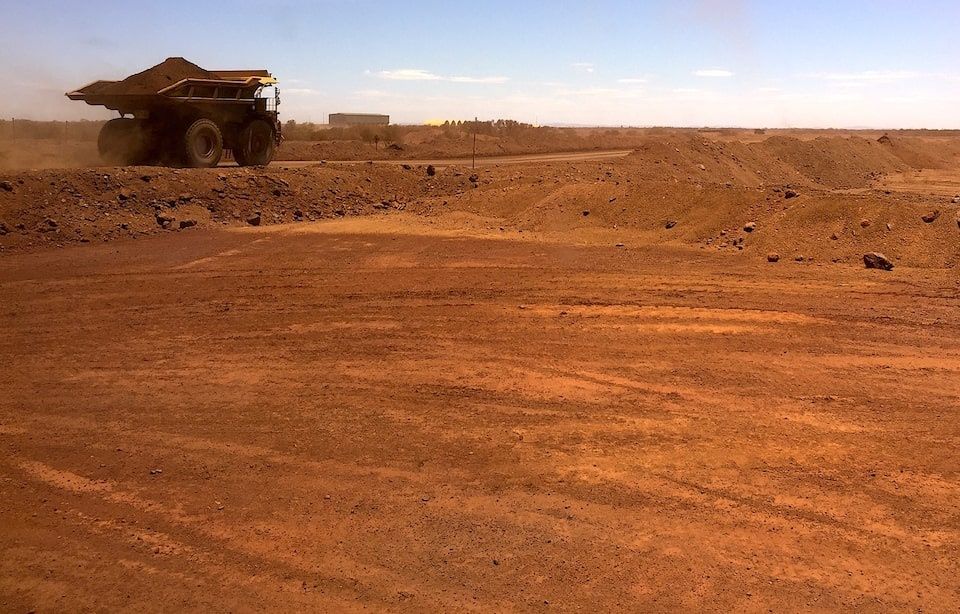
Scientists at Edith Cowan University in Western Australia have made a significant breakthrough in understanding how natural hydrogen forms underground, identifying magnetite minerals within the state's vast iron ore reserves as a potential source of this clean energy resource. The discovery, which highlights the chemical reactions occurring deep beneath WA's distinctive red soil landscape, opens new pathways for developing hydrogen as a low-emission energy alternative—a prospect with considerable implications for Australia's energy sector and regional sustainability goals.
The research, conducted by specialists from ECU's School of Engineering, demonstrates that magnetite, an iron oxide mineral abundant in WA's geological formations, can spontaneously generate hydrogen gas when exposed to hot water under the extreme conditions found deep underground. This natural process occurs through a chemical reaction between the mineral and water at elevated temperatures and pressures, essentially converting mineral deposits into hydrogen producers without requiring human intervention or complex industrial processes. The findings represent a shift in understanding hydrogen as not merely a manufactured fuel but as a naturally occurring substance that can be extracted from geological environments.
What distinguishes this discovery is its potential scalability within WA's unique geological context. The state possesses some of the world's largest banded iron formations—layered deposits of iron-rich minerals accumulated over billions of years—making it an ideal testing ground for natural hydrogen production methods. The concentration and accessibility of these formations suggest that if production methods can be refined, WA could become a significant source of natural hydrogen, potentially positioning Australia as a leader in this emerging energy sector and diversifying the region's economic base beyond traditional mining exports.
The laboratory experiments that validated this process involved subjecting magnetite samples to precisely controlled conditions that mirrored those found thousands of metres below the Earth's surface. For sixty days, researchers maintained water temperatures at 200 degrees Celsius while applying high pressure, creating an environment comparable to the geothermal zones where natural hydrogen formation occurs. This methodical approach allowed scientists to observe and measure hydrogen production rates under reproducible conditions, providing empirical evidence that the process is not merely theoretical but consistently measurable and quantifiable.
Crucially, the research reveals that hydrogen production rates depend on multiple interconnected factors rather than a single variable. While the presence of magnetite provides the chemical foundation for hydrogen generation, the study demonstrates that water accessibility proves equally critical—the mineral must have pathways through which water can continuously reach fresh, unreacted surfaces. These pathways include fractures in the rock, natural pores, and permeable channels that allow water circulation through the formations. This insight suggests that understanding the geological structure of these deposits is as important as understanding their mineral composition.
The implications extend beyond mere scientific curiosity or academic interest. Natural hydrogen production from magnetite deposits represents a fundamentally different approach to hydrogen energy compared to conventional methods that rely on steam reforming of natural gas or electrolysis of water. By harnessing naturally occurring geological processes, this approach could potentially reduce the energy inputs and industrial infrastructure required to produce hydrogen at scale. For Malaysia and other Southeast Asian nations seeking to diversify their energy portfolios and reduce carbon emissions, understanding such alternative hydrogen sources provides valuable context for long-term energy planning and investment decisions.
The publication of these findings in the International Journal of Hydrogen Energy signals growing scientific credibility for natural hydrogen research, attracting attention from both the academic community and the energy sector. The peer-reviewed publication ensures that the research has undergone rigorous scrutiny and validation, establishing it as a foundation upon which further investigation can build. This academic validation encourages additional research teams to explore natural hydrogen sources in their own regions, potentially expanding the geographic scope of this technology.
Western Australia's position as a global mining powerhouse means that the expertise and infrastructure already present in the state—including geological surveying capabilities, drilling technology, and resource management experience—could be readily adapted to support natural hydrogen extraction. The mining industry's established supply chains and operational knowledge create a potential pathway for rapid development and commercialisation of natural hydrogen production methods, should further research prove the concept economically viable.
However, significant challenges remain before natural hydrogen becomes a commercial energy source. Moving from laboratory conditions to field-scale production requires solving numerous technical problems, including determining optimal drilling and extraction methods, assessing long-term production sustainability, and evaluating the environmental impacts of large-scale operations. Economic viability represents another crucial consideration—the costs of accessing these deep deposits and extracting hydrogen must compete with existing hydrogen production methods to attract investment and deployment.
The discovery also raises strategic questions about energy independence and resource sovereignty. Nations and regions with abundant natural hydrogen deposits may gain considerable competitive advantages in the transition towards hydrogen-based economies. For Australia, this research positions the country to potentially play a significant role in global hydrogen markets, particularly as international demand for clean energy sources accelerates and hydrogen becomes incorporated into various industrial and transportation applications.
For Southeast Asian policymakers and energy planners, this Australian research provides a useful reminder that unconventional energy sources may exist within regional geological formations. Understanding natural hydrogen production mechanisms could prompt exploration and assessment of similar mineral deposits throughout Southeast Asia, potentially unlocking new energy resources that have remained unrecognised. The research also underscores the importance of supporting scientific investigation into emerging energy technologies, as breakthrough discoveries often emerge from targeted research into fundamental geological and chemical processes.
Moving forward, ECU researchers and their collaborators will likely focus on scaling up their findings, investigating how natural hydrogen production can be optimised in actual field conditions, and developing sustainable extraction methods. International collaboration in this research area would accelerate progress, allowing knowledge and insights to be shared across jurisdictions and building towards a global understanding of natural hydrogen as a potential cornerstone of future clean energy systems. The discovery in Western Australia thus represents not an endpoint but rather an important beginning in humanity's quest to harness alternative energy sources for a more sustainable future.

