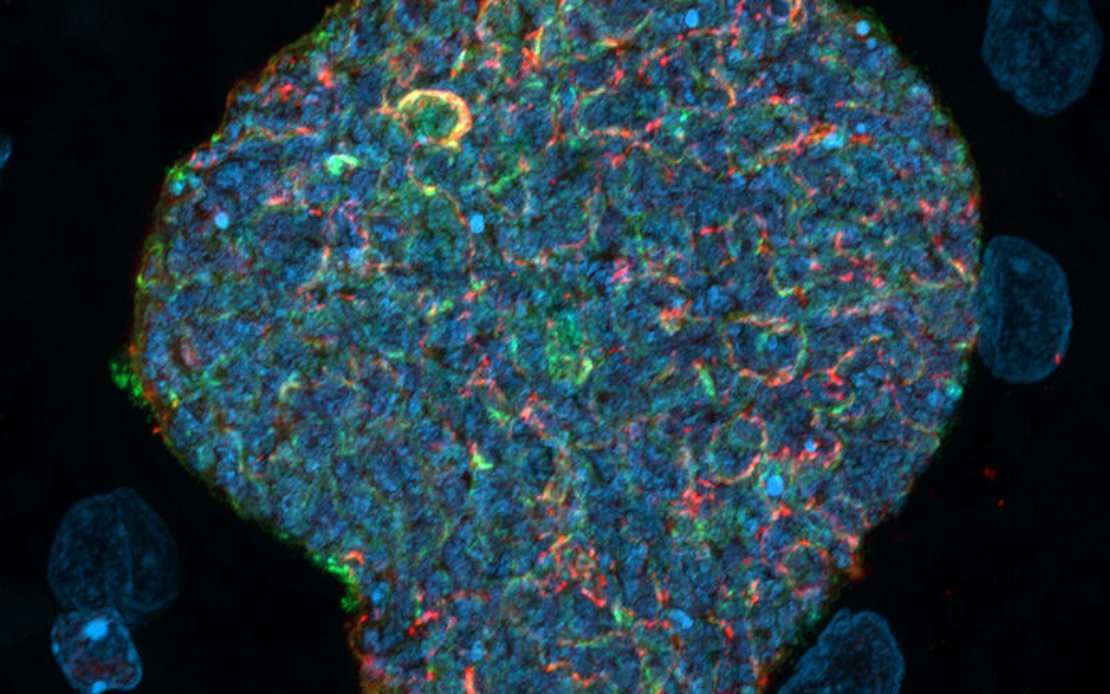
Scientists at Melbourne's Walter and Eliza Hall Institute of Medical Research have unveiled a breakthrough approach to malaria prevention that fundamentally reimagines how the body responds to infection. Rather than simply protecting against disease, the new strategy converts the threat posed by mosquito bites into opportunities for the immune system to strengthen its defences over time. This paradigm shift could have profound implications for malaria-endemic countries across Southeast Asia, where the burden of disease remains substantial and access to traditional vaccination infrastructure is often limited.
The research team has developed an innovative immunisation method that combines two complementary elements: an initial priming phase followed by natural reinforcement through subsequent mosquito exposure. By pairing mosquito-delivered malaria parasites with specially designed antimalarial compounds, the researchers created a system where the immune system learns to recognise and neutralise the threat before it establishes itself in the human bloodstream. This approach differs markedly from conventional vaccination strategies, which typically aim to eliminate all pathogen exposure.
The antimalarial compounds at the heart of this strategy were developed collaboratively by WEHI and the biopharmaceutical company MSD. Their mechanism of action targets a critical vulnerability in the malaria parasite's lifecycle: the late liver stage, when parasites are preparing to burst into the bloodstream and begin multiplying within red blood cells. By trapping parasites at this precise juncture, the compounds prevent the disease from developing while simultaneously exposing the immune system to parasite antigens in a controlled manner. This timing proves essential, as it allows the body to mount a powerful protective response without experiencing the debilitating symptoms of clinical malaria.
The study findings demonstrate that this approach generates a robust and durable immune response against malaria. Crucially, the protection proves sufficiently strong to guard against subsequent natural infections acquired through routine mosquito bites in endemic areas. This characteristic opens the possibility of what researchers term a "vaccinate and boost naturally" model, where the initial vaccination establishes foundational immunity, and then each natural exposure to infected mosquitoes serves as a booster dose. Over months and years, this cycle could potentially maintain high levels of protection without requiring additional medical interventions.
For Southeast Asian nations where malaria remains endemic, this approach addresses several practical constraints that plague conventional vaccination campaigns. The ability to leverage natural mosquito exposure as an immunisation mechanism reduces the burden on healthcare systems to deliver repeated booster doses through clinics or vaccination centres. In rural and remote areas where access to medical facilities remains challenging, the capacity to achieve immunity through exposure within the community itself represents a significant advantage. The model particularly suits regions where transmission is seasonal or where populations maintain regular contact with malaria vectors.
The compounds have progressed beyond laboratory testing and animal studies. Researchers are currently developing a long-acting injectable formulation based on these antimalarial compounds. This pharmaceutical candidate is in preclinical development, representing the intermediate stage between promising laboratory results and human clinical trials. The timeline for eventual human testing and regulatory approval remains uncertain, but the advancement to this stage indicates scientific confidence in the underlying approach and its potential for practical application.
Malaria's global health burden underscores the urgency of developing new prevention strategies. The World Health Organisation reports that the disease claimed approximately 610,000 lives worldwide during 2024 alone, with the vast majority of deaths occurring in sub-Saharan Africa and parts of Asia-Pacific. Despite decades of control efforts including insecticide-treated bed nets, antimalarial medications, and existing vaccines, malaria continues to impose a crushing burden on affected populations. The disease disproportionately impacts children under five years old and pregnant women, exacerbating existing health inequities in developing regions.
For Malaysia and other countries in the region where malaria transmission has been substantially reduced but not entirely eliminated, this research carries both immediate and long-term relevance. Pockets of transmission persist in forested areas and along international borders, particularly in Peninsular Malaysia, Sabah, and Sarawak. A vaccination approach that can be implemented with minimal infrastructure demands and that leverages natural exposure as a reinforcement mechanism could provide an additional tool for maintaining low transmission levels and preventing resurgence. As global mobility increases and climate change potentially expands the geographical range of mosquito vectors, such flexible prevention strategies gain strategic importance.
The interdisciplinary nature of this research reflects modern public health innovation. WEHI's collaboration with MSD combines academic research institutions' capacity for fundamental discovery with pharmaceutical companies' experience in drug development and scale-up manufacturing. This partnership model accelerates the translation of scientific findings into tangible interventions, provided regulatory pathways prove cooperative. The developmental trajectory from laboratory discovery to injectable formulation to eventual clinical deployment typically requires five to ten years or longer, suggesting that widespread implementation remains years away.
The conceptual elegance of the "vaccinate and boost naturally" approach lies in its alignment with the epidemiology of malaria transmission. In endemic regions, people living in areas with year-round mosquito activity naturally encounter infected mosquitoes repeatedly throughout their lives. Rather than viewing these exposures as inevitable risks to be minimised at all costs, the new strategy reframes them as beneficial immune-training events once the population has received appropriate priming vaccination. This represents a philosophical shift in how the field approaches interaction between host immunity and parasite exposure.
Future research will need to clarify several important questions about practical implementation. The optimal timing between initial vaccination and reliance on natural boosting requires careful study, as does the duration of protection in populations with varying exposure patterns. Different transmission settings—areas with intense seasonal transmission versus regions with year-round mosquito activity—may require adapted protocols. Additionally, the safety profile of the injectable compound will require thorough evaluation across diverse population groups, particularly among pregnant women and young children, populations most vulnerable to severe malaria.

