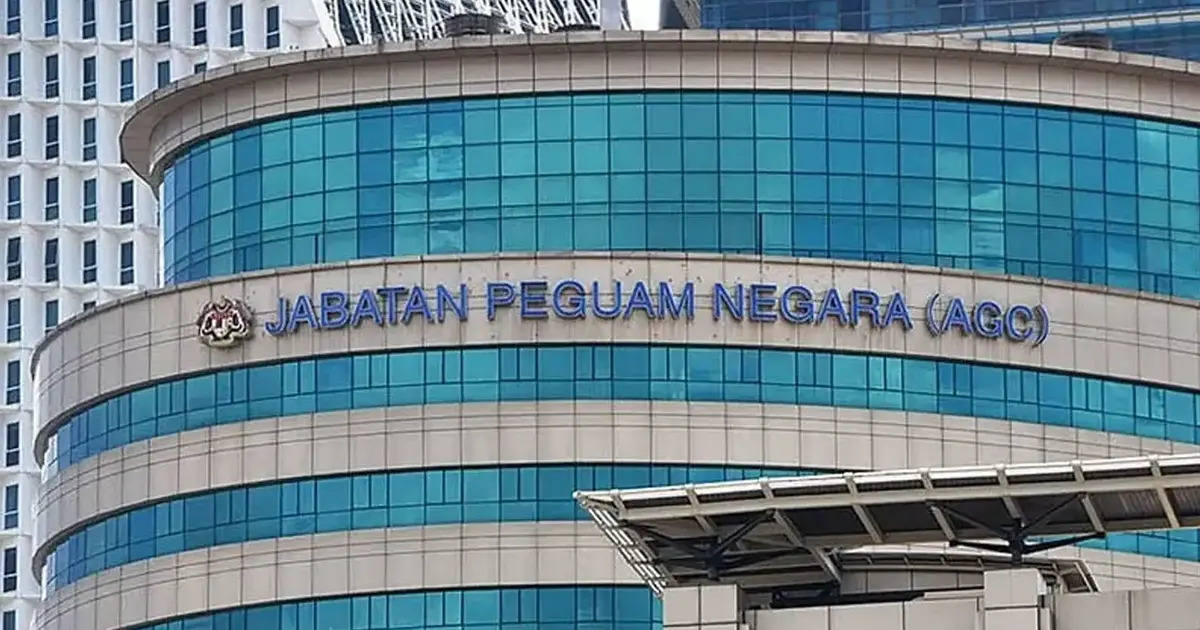
The Attorney-General's Chambers is still processing investigative materials concerning the Durian Tunggal matter more than a month following the fourth resubmission of case documents by relevant authorities. This extended timeline underscores the complexity inherent in the legal examination process and reflects the meticulous approach required when scrutinising comprehensive investigative files for potential prosecutorial action.
The protracted nature of this review has drawn attention to the institutional mechanisms through which Malaysia's criminal justice system operates at the prosecutorial level. The Attorney-General's Chambers, as the apex prosecuting authority in the country, is tasked with evaluating whether evidence gathered during investigation meets the threshold required to proceed with formal charges. This gatekeeping function means that even when police or other investigating agencies have completed their work and submitted findings, the AGC must independently satisfy itself regarding the sufficiency and admissibility of evidence.
Home Minister Khairy Jamaluddin has made a public statement calling on all stakeholders to respect the legal process and allow it to proceed without interference or undue pressure. His intervention reflects official concern that public commentary and speculation surrounding high-profile cases could potentially compromise the integrity of ongoing legal proceedings. The minister's appeal serves as a reminder that Malaysia's legal system depends on institutional independence and adherence to proper procedural safeguards, even when cases attract significant public and media scrutiny.
The Durian Tunggal investigation represents a case of sufficient public interest to warrant sustained attention, yet the legal mechanisms governing its progression operate on timelines determined by evidentiary requirements rather than external pressure. The resubmission of investigation papers on four separate occasions suggests that initial submissions may have contained deficiencies requiring remediation, whether in documentation, procedural compliance, or substantive completeness. Each iteration of resubmission indicates a collaborative effort between investigating agencies and prosecutors to ensure that whatever decision emerges from the AGC's review is anchored in legally sound foundations.
For Malaysian readers, this case illustrates broader principles about how major investigations proceed through the criminal justice system. The delay between investigation completion and prosecutorial decision-making is neither unusual nor necessarily problematic; rather, it reflects the due diligence expected of authorities handling sensitive matters. The AGC's deliberate pace suggests officials are taking considerable care in their assessment, whether that ultimately leads to prosecution, alternative resolutions, or determinations that evidence is insufficient to proceed.
Regionally, Malaysia's approach to managing high-profile investigations shares commonalities with other common law jurisdictions in Southeast Asia, where prosecutorial independence and the requirement for sufficient evidence before charging remain foundational principles. The transparency of the home minister's statement, acknowledging the ongoing review rather than remaining entirely silent, represents a middle path between institutional confidentiality and public accountability.
The implications of this case extend beyond its immediate parties. Public confidence in the justice system depends partly on visible adherence to procedural fairness and evident seriousness in prosecutorial decision-making. When the AGC takes considerable time to review materials, it signals that decisions will not be rushed or politically motivated. Conversely, extended delays without clear communication can generate uncertainty and speculation, which the home minister's statement appears designed to address.
The four submissions also raise questions about the quality of initial investigation work or the evolving evidentiary standards applied during prosecutorial review. Each resubmission represents an opportunity for investigating agencies to strengthen their documentation or respond to specific concerns flagged by prosecutors. This iterative process, while sometimes frustrating to observers, ultimately produces more robust legal foundations for whatever prosecutorial outcome eventually emerges.
As the AGC continues its examination, Malaysian stakeholders across the legal profession, law enforcement, and civil society have stakes in how this case is ultimately resolved. The precedent set by how thoroughly and fairly the review process is conducted will influence public perception of prosecutorial independence and the reliability of the criminal justice system. The home minister's call for patience reflects recognition that proper procedure cannot be hastened without risking the very integrity that makes eventual outcomes legally defensible and publicly credible.

