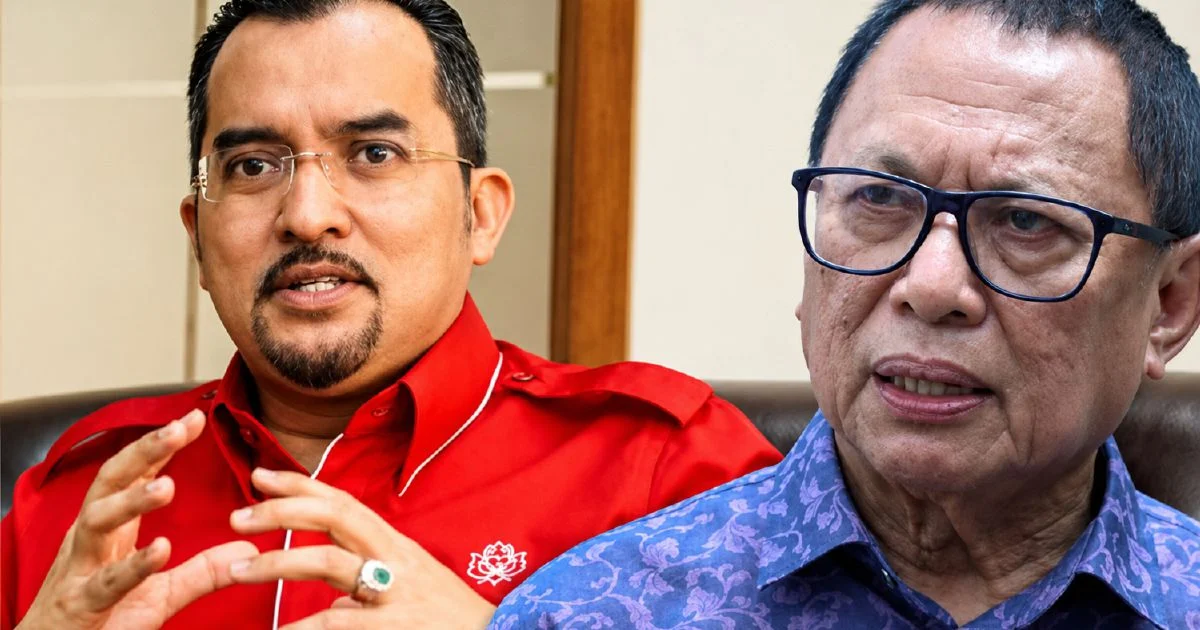
Umno secretary-general Datuk Dr Asyraf Wajdi Dusuki delivered a pointed rebuttal in Johor Baru against Datuk Dr Mohd Puad Zarkashi following the former Umno figure's recent departure from the party. The exchange marks another chapter in internal tensions within Malaysia's historically dominant political organization, reflecting broader divisions that have surfaced over recent months.
The confrontation between the two senior Umno officials underscores the fragmentation occurring within the party as it navigates post-election challenges and leadership questions. Asyraf Wajdi, who holds the powerful position of party secretary-general, did not shy away from responding directly to allegations that Puad Zarkashi had raised in connection with his resignation decision. His willingness to engage publicly signals the gravity both figures attach to the dispute and their competing narratives about the party's direction.
Puad Zarkashi's exit from Umno carries significance beyond individual personalities, as his departure and accompanying statements appear designed to challenge narratives promoted by the current party hierarchy. The specific invocation of palace-related claims introduces another dimension to what might otherwise appear as a routine internal party disagreement. In the Malaysian political context, references to royal or palace matters carry particular weight and cultural sensitivity, making such assertions noteworthy.
For Malaysian observers, such internecine conflict within Umno warrants attention given the party's historical dominance in Malaysian politics and its continued influence in governing coalitions at both federal and state levels. When senior party figures engage in public disputes, particularly those touching upon institutional matters, the implications ripple through coalition dynamics and affect broader political stability. The manner in which Asyraf Wajdi chose to respond—forcefully and without apparent restraint—suggests confidence in his standing within the organization but also hints at genuine concern regarding reputational damage.
The timing of this confrontation coincides with a period of strategic repositioning within Umno as the party seeks to consolidate its political base and maintain relevance in an increasingly complex Malaysian political landscape. Leadership transitions, policy directions, and questions about the party's relationship with institutional actors have all contributed to an atmosphere of uncertainty within the organization. Puad Zarkashi's resignation and subsequent public statements appear designed to highlight grievances that may resonate with certain Umno constituencies or sympathizers.
Asyraf Wajdi's response likely aimed at neutralizing what he perceived as damaging allegations while simultaneously reinforcing his authority as secretary-general. By engaging directly rather than delegating the matter or remaining silent, he positioned himself as willing to defend party interests and institutional credibility. This approach carries both benefits and risks—demonstrating leadership resolve but potentially elevating the visibility of internal disputes.
The palace claims referenced by Puad Zarkashi and contested by Asyraf Wajdi require particularly careful handling in the Malaysian political environment. The monarchy holds constitutional and symbolic significance that transcends party politics, and allegations involving palace matters can swiftly expand beyond internal party discussions to capture broader public attention. Both figures appeared acutely aware of these sensitivities, with their respective positions carefully articulated to address both party members and the general public.
Regional observers note that such friction within major political parties often precedes periods of organizational realignment. Umno's internal coherence directly affects coalition stability, which in turn influences governance capacity across multiple Malaysian states and at the federal level. The party's ability to manage internal disagreements while maintaining external unity remains crucial for sustaining its political partnerships and governmental roles.
The substantive disagreements underlying this confrontation likely extend beyond personality clashes to encompass different visions for Umno's future positioning, leadership priorities, and strategic alliances. Puad Zarkashi's departure signals that at least some party members believe the organization is moving in problematic directions, a concern that may be shared more broadly within certain Umno circles. Asyraf Wajdi's forceful pushback suggests the party leadership intends to press forward with its current trajectory despite such departures.
Moving forward, the impact of this dispute will depend partly on whether Puad Zarkashi can build significant political capital outside Umno or mobilize substantial party members to follow him into alternative political vehicles. Should his departure prove isolating rather than catalytic, the incident will likely fade as an internal disagreement. Conversely, if other senior figures begin raising similar concerns, the episode could represent an early indicator of more consequential fracturing.
For Malaysian political observers and stakeholders in regional governance, the Asyraf Wajdi-Puad Zarkashi exchange warrants continued attention as Umno navigates its post-election positioning. The party's internal health and capacity for effective leadership remain significant factors in Malaysia's political stability and coalition governance. How party leaders manage such conflicts while addressing the substantive concerns they reflect will substantially influence Umno's continued relevance and influence within Malaysian politics.

