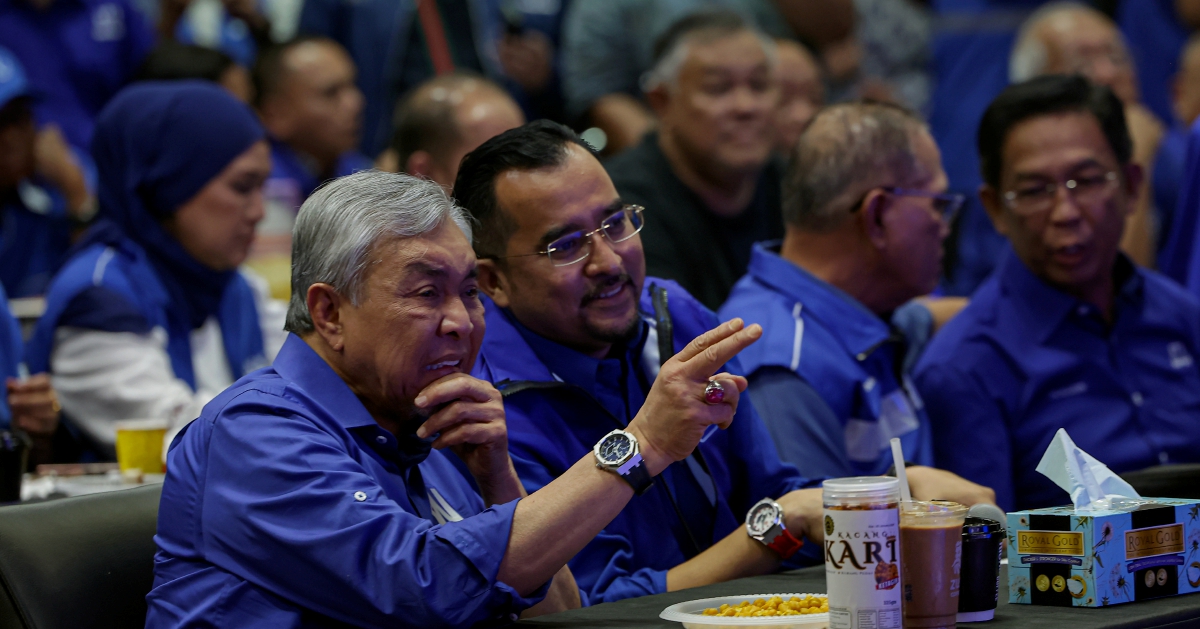
Umno's secretary-general Datuk Dr Asyraf Wajdi Dusuki has sounded a note of restraint within party ranks following Barisan Nasional's successful showing in the Negri Sembilan state election, emphasizing that electoral victories carry responsibilities rather than entitlements to complacency. Speaking in Kuala Lumpur, Dusuki urged both party members and the broader coalition's supporters to interpret the mandate as a call for measured governance rather than triumphalism, cautioning that history offers painful lessons about the dangers of political overreach.
The timing of Dusuki's remarks carries particular significance for Malaysia's political landscape, coming at a moment when Barisan Nasional seeks to consolidate its resurgence after years of electoral setbacks. The Negri Sembilan result represents tangible progress for the coalition, yet Dusuki's warning suggests that senior Umno figures recognize the fragility of voter confidence and the ease with which momentum can be squandered through missteps. His call for humility reflects a matured understanding of electoral dynamics that prioritizes long-term political sustainability over short-term celebratory impulses.
Dusuki's caution appears directed toward preventing a repetition of patterns observed in Umno's recent history. The party's conduct during periods of unchallenged dominance has frequently drawn public criticism, with observers pointing to instances where electoral supremacy translated into perceived arrogance and disconnection from ordinary constituents' concerns. Such behavior contributed to the dramatic 2018 general election reversal when Barisan Nasional lost federal power after six decades of continuous governance. That shock remains a defining reference point for contemporary Umno leadership when contemplating the consequences of misreading electoral mandates.
The Negri Sembilan victory, while significant for the coalition's broader narrative of political recovery, operates within a broader context of fragmented state-level support across Malaysia. Unlike the wholesale dominance that characterized Barisan Nasional during earlier decades, contemporary electoral success exists alongside competing centers of political power in other states. This structural reality means that isolated victories, however welcome, cannot furnish grounds for institutional complacency or diminished attentiveness to voter expectations. Dusuki's emphasis on humble stewardship reflects this recognition that modern Malaysian politics demands continuous engagement with constituents rather than assumed acquiescence.
The secretary-general's intervention also speaks to internal party dynamics, where multiple factions maintain competing ambitions and narratives about Umno's future direction. By positioning humility as a virtue and caution as wisdom, Dusuki attempts to establish common ground among disparate party elements around a shared commitment to responsible governance. This approach seeks to transcend factional boundaries by appealing to broader institutional interests, effectively arguing that all Umno members benefit from a party perceived as measured and trustworthy rather than bombastic or self-serving.
For Malaysian voters more broadly, Dusuki's message carries implications regarding how political elites process electoral feedback. The statement suggests an acknowledgment that public mandates are conditional rather than permanent, contingent upon continuing performance and responsiveness to community needs. This framing potentially elevates expectations for Barisan Nasional's governance record in Negri Sembilan, establishing a standard against which future electoral outcomes will be measured. Voters may interpret such careful language as implicit recognition that political parties remain accountable to those they represent.
Regionally, Umno's trajectory commands attention across Southeast Asia as a demonstration case in coalition management and the cultivation of electoral resilience. Malaysia's complex multiethnic society and competitive party system have generated sophisticated political dynamics that neighboring democracies observe with interest. Dusuki's emphasis on learning from past mistakes offers a model of institutional reflection that contrasts with alternative approaches based on blame-shifting or historical amnesia. This positioning potentially strengthens Barisan Nasional's credibility among pragmatic voters who value demonstrated capacity for self-correction.
The Negri Sembilan result also intersects with broader questions about Malaysia's federal balance. State-level elections function as crucial testing grounds for national political currents, and successful coalition performances at this tier generate momentum potentially relevant for future federal contests. However, Dusuki's cautionary tone suggests senior Umno figures remain acutely aware that converting state-level success into substantive national political capital requires discipline and strategic patience. Premature declarations of resurgence or triumphalist narratives risk alienating precisely the floating voter populations whose switching behavior determined 2018's outcome and continues shaping contemporary electoral volatility.
Moving forward, the secretary-general's injunction against repeating historical arrogance establishes a benchmark against which Umno members and supporters can be held accountable. Should the party subsequently display the very behaviors Dusuki cautioned against—whether through corruption allegations, governance failures, or perceived disconnection from constituent concerns—such actions would carry heightened reputational costs precisely because party leadership has explicitly renounced such patterns. This self-imposed standard simultaneously reflects confidence that Umno can perform responsibly while creating vulnerability should performance prove disappointing.
Ultimately, Dusuki's statement represents more than routine political rhetoric following an electoral success. Rather, it articulates an understanding that sustainable political power rests upon continued vigilance against institutional degradation and thoughtful stewardship of public trust. Whether Umno and Barisan Nasional can operationalize such principles across their governance tenure in Negri Sembilan and beyond will substantially determine whether contemporary political recovery represents genuine transformation or merely a temporary inflection within longer-term decline.

