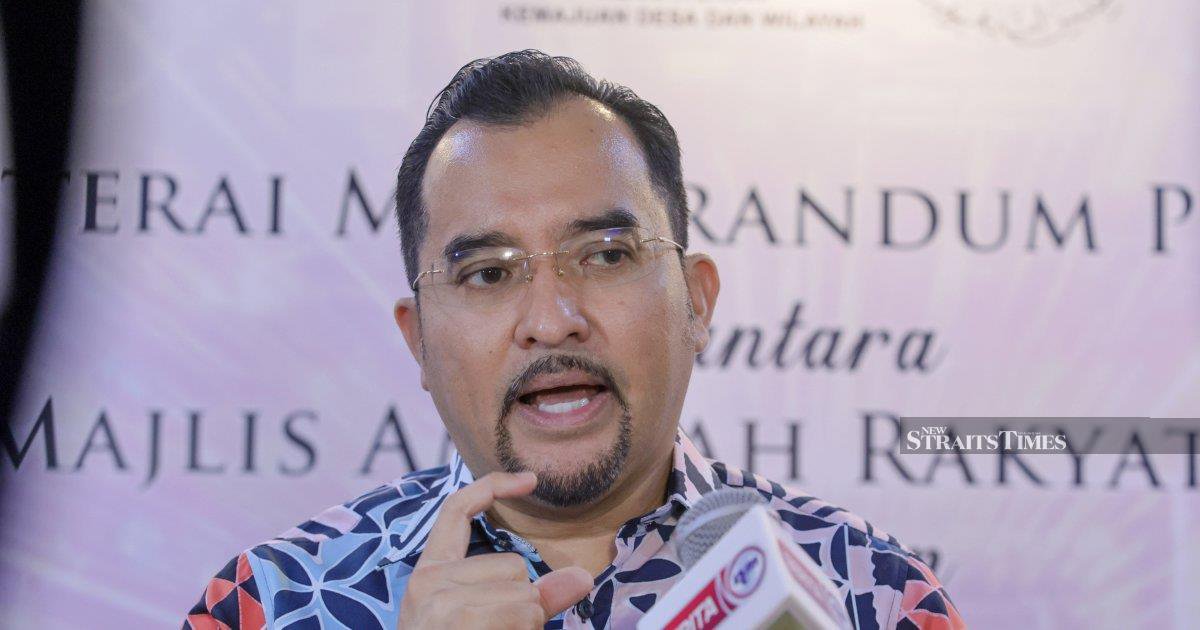
Umno secretary-general Datuk Dr Asyraf Wajdi Dusuki has emphatically denied holding any authority or engaging in transactions involving Tabung Haji (TH) during his period as deputy minister in the Prime Minister's Department. The statement comes amidst ongoing scrutiny surrounding the pilgrim fund's management and various financial arrangements that have drawn public attention and regulatory interest in recent months.
Tabung Haji, Malaysia's dedicated savings institution for Muslim pilgrims preparing for the Hajj pilgrimage, has faced heightened examination of its operational practices and investment decisions. The Al-Rawda transaction in question appears to form part of a broader investigative focus on how the fund has deployed its assets and whether appropriate governance frameworks were maintained throughout the decision-making process. The controversy reflects growing concerns among stakeholders about the fund's financial stewardship and accountability mechanisms.
Dusuki's clarification regarding his role carries particular weight given his prominent position within Umno's hierarchy. As secretary-general of Malaysia's largest political party and a senior figure within the coalition government, his statements on governance matters attract significant scrutiny. The timing of his denial suggests efforts to establish clear separation between his ministerial responsibilities and TH's independent operational decisions, potentially in response to escalating questions about the transaction's approval process.
The deputy minister position that Dusuki previously held carries oversight responsibilities across multiple government agencies and funds, though specific authority over individual transactions typically rests with respective institution boards and management. Understanding the precise boundaries of ministerial involvement in sovereign wealth and pilgrim fund decisions remains crucial for Malaysia's governance framework, particularly as questions mount about transparency in large financial arrangements. The distinction between supervisory oversight and direct transaction authority has become increasingly important in recent governance discussions.
Tabung Haji's governance structure places primary responsibility for major decisions with its board of directors and chief executive, who operate according to established investment policies and risk parameters. Ministerial deputies typically engage in policy guidance and strategic direction rather than transactional approval. However, public perception of ministerial influence over such institutions persists, necessitating clear communication about actual decision-making authority and involvement levels. This opacity surrounding institutional governance has periodically generated controversy in Malaysia's financial sector.
The Al-Rawda matter appears connected to broader investment strategies pursued by the pilgrim fund over recent years. TH has attempted to diversify revenue streams beyond traditional pilgrimage savings management, exploring commercial ventures and property investments to enhance returns for members. These expansion efforts, while economically motivated, have occasionally created tension between profit maximisation and conservative stewardship principles expected from an Islamic institution managing public trust funds.
For Malaysian Muslim savers relying on Tabung Haji as their primary vehicle for Hajj savings, clarity regarding governance and decision-making authority directly impacts confidence in the institution. Members entrust substantial personal funds to the organisation with expectations of prudent management and transparent operations. Any uncertainty about whether decisions resulted from proper institutional processes or external political influence potentially undermines that confidence and raises questions about member protection mechanisms.
The pilgrim fund operates within Malaysia's broader institutional landscape of statutory bodies and government-linked funds, many of which have faced similar scrutiny regarding governance, investment decisions, and political-administrative boundaries. Establishing clear protocols distinguishing between legitimate ministerial oversight and inappropriate interference represents an ongoing challenge across multiple institutions. Dusuki's statement contributes to broader conversations about appropriate governance standards and accountability structures required in Malaysia's institutional architecture.
Regionally, Malaysian governance practices attract attention from investors, development partners, and observers assessing the country's institutional strength. Questions surrounding decision-making processes at major government institutions reflect on Malaysia's overall governance reputation. Transparency regarding how senior officials interact with institutional management, and ensuring that major transactions follow prescribed approval processes, strengthens confidence among international stakeholders and domestic savers alike.
The controversy also highlights tensions inherent in Malaysia's system where ministerial officials maintain oversight responsibilities across institutional portfolios. Balancing genuine supervisory capacity with operational independence requires clear boundaries, documented decision trails, and transparent communication about authority distribution. These structural questions transcend individual personalities or specific transactions, addressing systemic governance architecture affecting numerous institutions.
For Dusuki specifically, his denial seeks to establish that his ministerial role did not extend to transaction-level authority in TH matters. The statement appears designed to insulate him from potential accountability regarding the Al-Rawda arrangement while simultaneously clarifying governance distinctions. How these clarifications are received by relevant investigative bodies and the public will likely depend on availability of supporting documentation and institutional records demonstrating decision-making sequences.
Looking forward, the situation underscores the importance of comprehensive governance reforms across Malaysia's institutional ecosystem. Establishing clearer separation between ministerial advisory roles and institutional management decisions, implementing stronger documentation requirements for major transactions, and enhancing disclosure practices regarding decision-making authority would strengthen public confidence. These reforms would benefit not only Tabung Haji but Malaysia's broader statutory and government-linked institutional framework.

