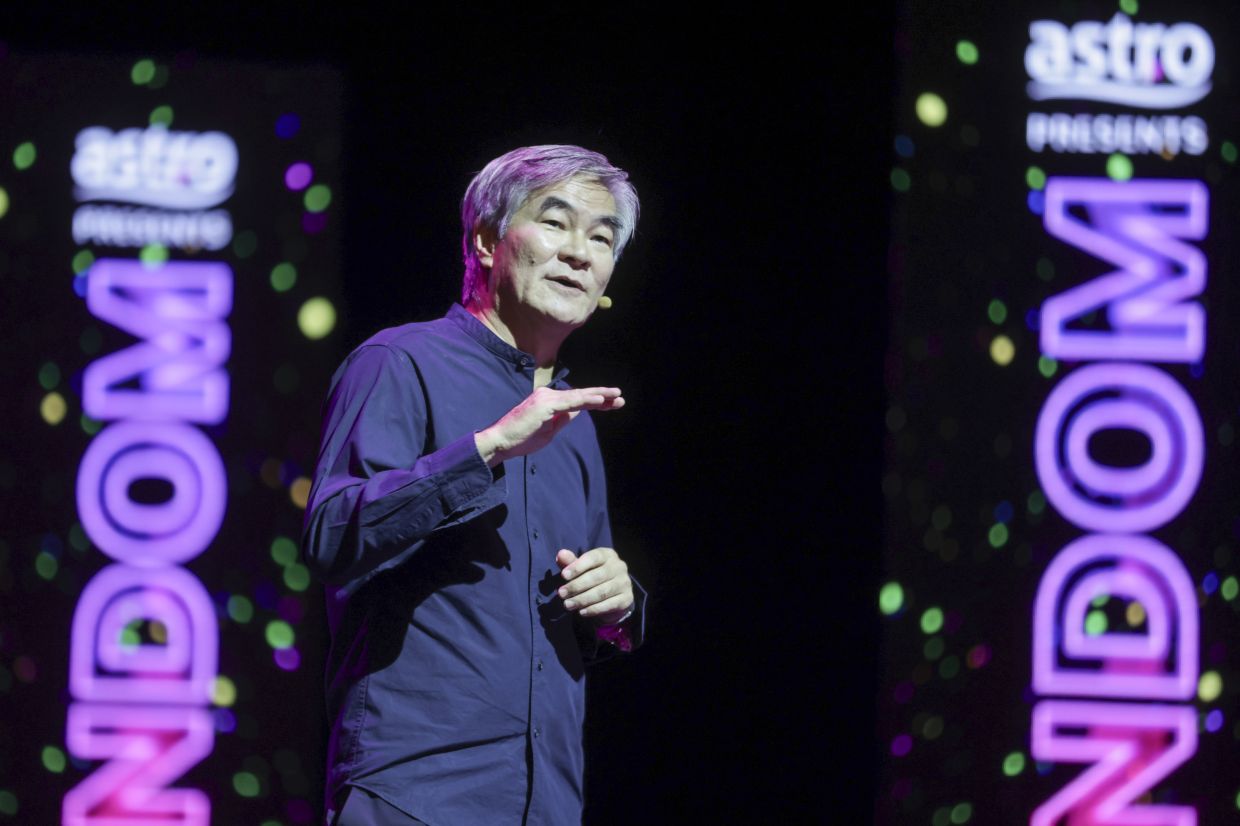
Astro is making a significant push into the competitive streaming market with the introduction of Astro X3, a contract-flexible digital platform designed to lower barriers to entry for Malaysian viewers seeking accessible entertainment without the traditional setup requirements of conventional cable services. Chief executive officer Henry Tan revealed the initiative at a press conference on July 7, positioning the new offering as a response to evolving audience preferences for on-demand viewing across multiple devices.
The streaming service will launch on July 20 with monthly subscription packages beginning at RM39.99, with users able to access live television channels and on-demand programming on smart televisions, smartphones and dedicated streaming devices provided they maintain a reliable internet connection. What distinguishes Astro X3 from competitors is its simplified installation process, requiring no physical infrastructure setup—a meaningful advantage in a region where broadband accessibility varies significantly across urban and rural areas.
The pricing strategy reflects a deliberate attempt to capture price-sensitive segments while maintaining revenue growth. Initial offerings include 12-month contractual arrangements, though Astro has signalled that a month-to-month option will arrive in December, acknowledging that Malaysian consumers increasingly value flexibility in subscription commitments. This phased rollout suggests the company is testing demand elasticity while managing cash flow implications from the migration of existing subscribers.
The service tier structure provides differentiated access to live television, on-demand entertainment, sports programming and specialised content depending on which package subscribers select. For Malaysian media consumption patterns, the inclusion of sports—particularly football coverage, which remains the dominant sporting interest across the region—represents a critical competitive advantage against international platforms that may lack localised sports rights.
Beyond the streaming infrastructure, Astro has assembled an ambitious content calendar that signals confidence in its ability to compete against Netflix and Disney+ by offering distinctly Malaysian narratives. The company is committing significant production resources to original dramas, live entertainment competitions and documentary-style programming that will be exclusive to the platform, a strategy that has proven effective for regional competitors and international streamers seeking to build subscriber bases in Southeast Asia.
Among the announced projects is a biographical drama centring on Malaysian motorsports legend Karamjit Singh, the national rally racing icon whose achievements remain largely unknown to younger generations. Local actor Irfan Zaini, cast in the lead role, has articulated the creative motivation behind the project, expressing his conviction that contemporary viewers—particularly Generation Z audiences—lack familiarity with this significant chapter of Malaysian sporting history. This generational disconnect has become increasingly apparent as traditional media consumption patterns fragment.
Zaini elaborated on the particular demands of portraying a living historical figure, distinguishing this assignment from conventional dramatic roles where actors collaborate with directors to establish character interpretations based on scripts alone. When adapting real-life individuals still living and engaged in public life, performers must balance fidelity to the actual person with creative interpretation and narrative requirements—a tension that adds complexity to the production process. The actor noted that this responsibility weighed substantially during his preparation and on-set work.
Another flagship drama series follows a romantic comedy narrative structured around passionate supporters of Arsenal Football Club, whose shared devotion to the English Premier League side evolves into personal relationships. The production was shot in the United Kingdom at Emirates Stadium, Arsenal's London home, incorporating appearances from recognisable Premier League personalities intended to deepen appeal among Malaysian football enthusiasts. This geographic setting and sporting authenticity represents a relatively expensive production commitment for a Malaysian broadcaster, suggesting confidence in the audience appetite for premium sports-adjacent entertainment.
Casting decisions reveal interesting compromises between production logistics and artistic vision. One leading actor, a noted Manchester United supporter, has humorously recalled accepting the role under the presumption that filming would occur at Old Trafford, the Manchester club's iconic stadium. When script revisions redirected production to Emirates Stadium instead—apparently due to unspecified logistical complications—the actor experienced initial disappointment that ultimately transformed into enthusiasm once he experienced the actual shoot. The opportunity to interact with professional footballers and attend matches complimentary became an unexpected benefit of the changed arrangement.
Another cast member making her dramatic acting debut in this series similarly emphasised the significance of the United Kingdom filming location, contrasting this experience with prior professional work on Astro platforms that remained studio-based or domestically shot. The transition from previous productions to a sophisticated international drama production represents a notable career progression, one that may attract additional talent to the streaming platform and signal to Malaysian audiences that Astro is investing in ambitious, globally-competitive productions rather than lower-budget local content.
The strategic timing of these announcements—unveiling streaming service infrastructure simultaneously with marquee content—reflects industry practice established by successful streaming competitors. Netflix and Disney+ both recognised that subscriber acquisition requires compelling exclusive programming to justify monthly expenditure, particularly in price-sensitive Asian markets where competing platforms proliferate. Astro's willingness to invest in substantial overseas productions and biographical dramas suggests the company believes Malaysian audiences will sustain subscriptions for locally-relevant premium content unavailable on competing services.
For Malaysian audiences accustomed to cable television's linear programming model, Astro X3 represents a significant departure toward digital-native consumption patterns increasingly dominant among urban, educated viewers—precisely the demographic most likely to shift away from traditional broadcasting. The success of this initiative will substantially influence whether Astro can arrest subscriber decline and capitalise on the growing middle-class audience willing to pay for on-demand entertainment. The competitive intensity of the Southeast Asian streaming market means Astro must execute both the technical platform and content strategy flawlessly to achieve meaningful market penetration against entrenched international competitors.

