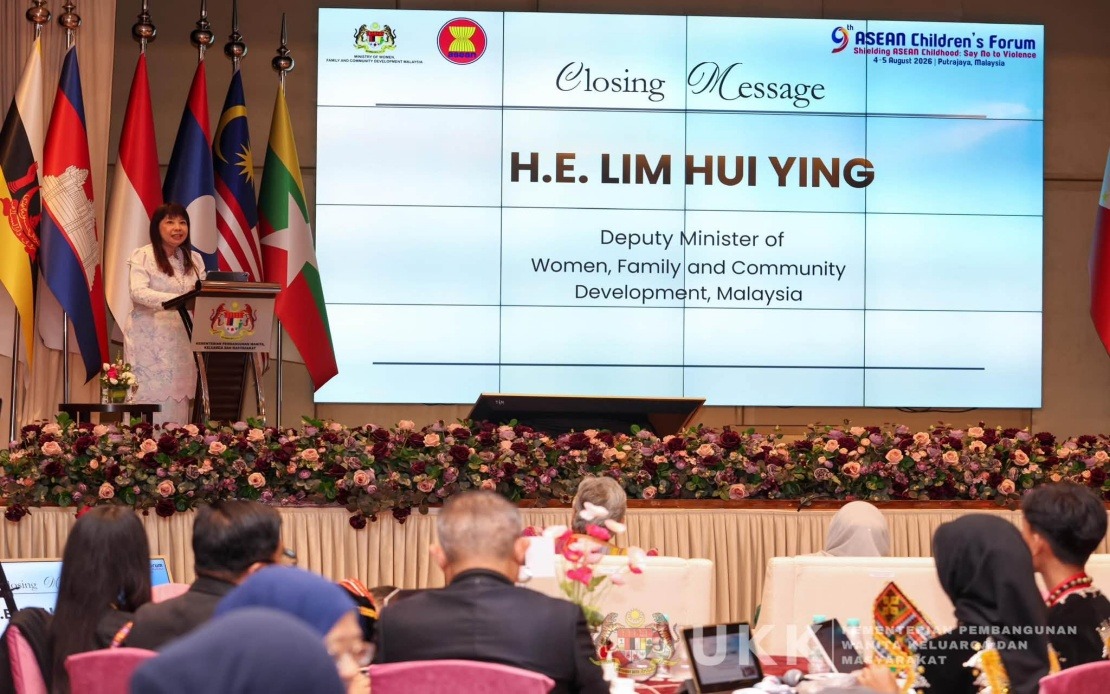
The 9th ASEAN Children's Forum concluded in Putrajaya with a clarion call for regional governments to substantially upgrade their approach to protecting minors from harm. Child representatives from across the 10-member grouping have pressed for legislative reforms, expanded mechanisms for safe reporting, and comprehensive anti-bullying strategies as the foundation for a more child-protective region. These demands, rooted in the lived experiences of young people themselves, represent a significant momentum-building moment for advocates of stronger safeguarding frameworks across Southeast Asia.
Deputy Women, Family and Community Development Minister Lim Hui Ying emphasised that the proposals emerging from the forum warrant serious attention from lawmakers and policymakers operating at both national and regional tiers. The minister's endorsement signals Malaysia's recognition that child protection cannot be approached as a peripheral concern but must become central to governance and institutional reform. Her call for governments, ASEAN sectoral bodies, and partner organisations to examine and action these recommendations underscores the expectation that rhetoric must translate into tangible policy shifts and operational programmes that demonstrably improve outcomes for vulnerable young people.
The forum itself brought together young voices from all ASEAN nations to engage directly with the multifaceted challenge of violence targeting children. Participants examined the full spectrum of harm—encompassing physical abuse, emotional trauma, psychological damage, and sexual violence—within four critical environments where children spend significant portions of their time and development years. This contextual framing reflects contemporary understanding that safeguarding must be holistic, addressing risks not only in institutional settings but also within the supposedly private sphere of family homes, the increasingly digital realm of online interaction, and broader community contexts where informal violence often flourishes unchecked.
Among the substantive recommendations that emerged, strengthening child protection laws topped the agenda, signalling participant recognition that legal frameworks in several ASEAN jurisdictions remain inadequate to contemporary challenges. Young people also prioritised the expansion of child-friendly reporting channels—a particularly crucial concern given widespread research indicating that children often do not report abuse due to fear, shame, or lack of accessible mechanisms. The emphasis on enforcing anti-bullying policies reflects growing regional acknowledgment that peer violence in schools and online spaces constitutes a significant mental health and wellbeing crisis affecting millions of Southeast Asian youth.
The forum participants additionally highlighted the necessity for broadened psychosocial support infrastructure, recognising that recovery from violence requires not merely legal intervention but sustained emotional and mental health services. This reflects maturity in understanding that traumatised children cannot simply resume normal functioning through punishment of perpetrators alone; they require professional therapeutic support integrated throughout educational and healthcare systems. Recommendations for more inclusive services targeting children in vulnerable situations—including those from minority communities, those with disabilities, and those in poverty—demonstrate awareness that safeguarding cannot be one-dimensional but must account for intersecting vulnerabilities and systemic barriers to protection.
The forum's recognition of multiple stakeholder roles in creating safe environments marked another significant dimension of the recommendations. Parents, teachers, the private sector, civil society organisations, media outlets, and peer networks all feature in the conceptualisation of child protection as a collective responsibility rather than a burden falling solely on government agencies. This distributed accountability model reflects evidence that lasting cultural change around child safety requires coordination across sectors and society. It also acknowledges that young people themselves are agents in protecting their peers and establishing norms of respect and safety within their networks.
For Malaysian policymakers specifically, these recommendations arrive at a moment when national child protection frameworks face increasing scrutiny and debate. The emphasis on child-friendly reporting channels speaks directly to concerns about underreporting of abuse within the country. Enhanced anti-bullying enforcement addresses documented concerns about cyberbullying and school-based peer violence affecting Malaysian youth. Strengthened legislation could address gaps in existing frameworks and ensure penalties adequately deter perpetrators while providing comprehensive protection across all contexts where children operate.
The regional dimension of these recommendations carries particular weight given ASEAN's commitment to developing a people-oriented community architecture. Coordinated advancement of child protection standards across member states could prevent situations where inadequate protections in one nation create vulnerabilities for children regionally, particularly given increasing cross-border movement and online connectivity. It also creates benchmarking opportunities, allowing nations to learn from peers implementing effective legislation and programmes.
The closing pledge by participants to support one another and cultivate mutual care and respect signals that young people themselves recognise child protection as a shared regional endeavour. This youth-led framing—positioning safeguarding not primarily as adult responsibility imposed on reluctant youth, but as something young people actively champion among their peers—offers a powerful foundation for culture change. It suggests that intergenerational dialogue about safety, respect, and accountability is not only possible but genuinely transformative when young voices lead rather than follow the agenda.
Implementing these recommendations will require sustained political will, dedicated resourcing, and coordination mechanisms extending beyond typical government bureaucracies. ASEAN sectoral bodies responsible for education, health, and justice must develop harmonised standards and exchange information about effective practices. Civil society organisations will likely need enhanced partnerships with governments to help bridge gaps and monitor implementation. Malaysia, positioned as a regional leader with established institutional capacity, has opportunity to move quickly on several fronts—from legislative review through parliamentary processes to pilot programmes demonstrating innovative approaches to child-friendly reporting and psychosocial support that could inspire regional adoption.
The path forward requires translating the idealism of youth recommendations into pragmatic policy architecture. Implementation timelines, budgetary commitments, training programmes for frontline workers, and monitoring mechanisms must all form part of comprehensive action plans. Without such operational specificity, recommendations risk becoming symbolic gestures rather than catalysts for genuine protective transformation. Yet the energy and specificity evident in the forum's output suggests that if governments respond with corresponding commitment, meaningful progress toward a genuinely child-protective ASEAN is achievable within the coming years.

