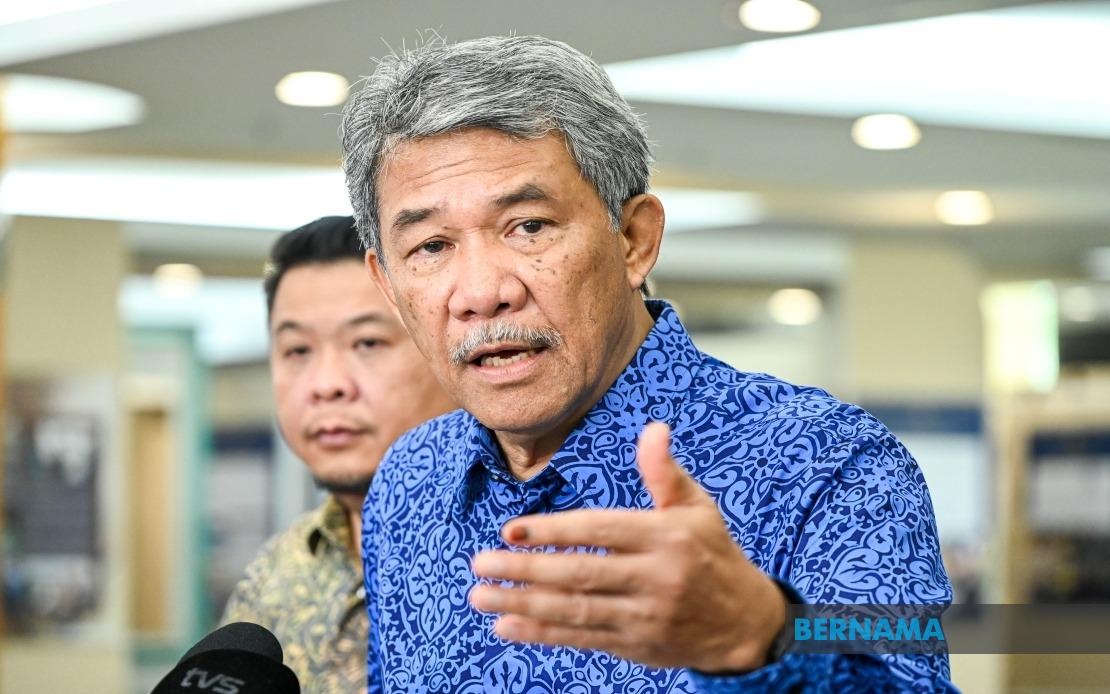
The ASEAN region stands at a critical juncture in its economic evolution, with regional leaders recognising that internal trade integration must accelerate significantly if the bloc is to fulfil its ambitious 2030 growth targets. During remarks made at the 59th ASEAN Day celebration in Putrajaya on Monday, Foreign Minister Datuk Seri Mohamad Hasan underscored a fundamental challenge constraining the region's trajectory: despite containing over 650 million people and combined GDP reaching towards US$3 trillion, intra-ASEAN commerce accounts for less than 25 per cent of member states' total trade volumes. This disparity reveals substantial untapped potential within the regional framework.
The discrepancy between ASEAN's economic scale and its internal trade penetration reflects historical trade patterns oriented primarily towards external markets, particularly China, the United States, and Europe. Mohamad's comments signal a strategic pivot within regional discourse, moving the ASEAN narrative beyond traditional security and political cooperation frameworks toward a more integrated economic agenda. The shift represents recognition among member governments that geopolitical positioning and economic interdependence reinforce one another—deeper commercial ties create mutual dependencies that strengthen diplomatic cohesion and regional stability.
ASEAN's pathway to becoming the world's fourth-largest economic bloc by 2030 rests substantially on expanding the volume and value of goods and services exchanged among its ten member states. Current projections suggest the region could achieve this ranking if growth trajectories persist, positioning ASEAN behind only the United States, China, and India. However, realising this scenario demands deliberate policy action to remove structural barriers inhibiting seamless regional commerce. Mohamad identified free movement of goods protocols as central to this endeavour, emphasising that existing mechanisms require fuller implementation and potential enhancement.
The framework for increased intra-regional trade already exists through multiple ASEAN agreements and protocols established over recent decades. These include the ASEAN Free Trade Area, which eliminated tariffs on most goods traded between members, and various sectoral arrangements covering everything from automotive components to agricultural products. Yet the persistence of non-tariff barriers, regulatory inconsistencies, and logistical constraints continues to impede the seamless flow of commerce that the region theoretically permits. Addressing these implementation gaps represents a more nuanced challenge than headline trade liberalisation, requiring sustained coordination among national governments, customs agencies, and private sector stakeholders.
Malaysia's tenure as ASEAN chair during the previous year established several foundational initiatives designed to strengthen regional economic architecture. The Kuala Lumpur Declaration and accompanying resolutions provided a strategic framework that subsequent chairs, including the Philippines in its current role, can build upon and develop further. Mohamad highlighted continuity in this economic agenda, noting that the Philippines maintains momentum on proposals originating from Malaysia's stewardship. This sequential coordination among rotating chairs demonstrates institutional learning within ASEAN and commitment to long-term objectives transcending individual national presidencies.
The appointment of Malaysia as Permanent Shepherd or Permanent Auditor of the ASEAN Community 2045 Vision reflects confidence in the country's capacity to shepherd long-term regional integration efforts. This oversight role carries responsibility for ensuring that foundational economic initiatives, particularly intra-ASEAN trade expansion, remain prioritised within a broader sustainability and development agenda extending to 2045. The designation indicates recognition that Malaysia possesses both technical expertise and diplomatic credibility necessary to navigate complex negotiations among member states with divergent economic interests and development stages.
Intra-regional trade expansion carries particular significance for Malaysia and other middle-income Southeast Asian economies. Deeper integration with lower-income ASEAN members creates market opportunities for Malaysian manufacturers and service providers, whilst facilitating technology transfer and skill development across the region. Simultaneously, increased market access benefits Malaysian agricultural sectors and labour-intensive industries seeking to relocate or diversify supply chains away from concentration in individual markets. The complementary economic structures within ASEAN suggest substantial gains from further integration, particularly in supply chain development and manufacturing networks.
The current international environment creates both urgency and opportunity for accelerated ASEAN trade integration. Global supply chain fragmentation following pandemic disruptions and geopolitical tensions has prompted businesses and governments to diversify beyond traditional sourcing concentrated in China and India. ASEAN's geographic position, combined with improving digital and logistical infrastructure, positions the region as an attractive alternative for manufacturing relocation and supply chain restructuring. Enhanced intra-ASEAN commerce could facilitate this transition, allowing member states to benefit from regionalised supply networks rather than competing individually for foreign investment.
However, achieving the ambitious target of substantially increasing intra-ASEAN trade within the next five to seven years demands concrete policy measures beyond aspirational declarations. Member states must accelerate customs harmonisation, reduce regulatory barriers particularly affecting services and digital commerce, and invest in cross-border infrastructure linking production centres and consumer markets. Development disparities between advanced economies like Singapore and Malaysia and lower-income members like Cambodia and Laos complicate negotiation dynamics, requiring compensation mechanisms and capacity-building initiatives ensuring equitable distribution of integration benefits.
The role of private sector engagement proves equally critical to government policy frameworks in driving intra-regional trade expansion. ASEAN chambers of commerce, industry associations, and multinational enterprises operating across multiple member states must actively participate in removing transaction costs and regulatory obstacles impeding commerce. Enhanced business-to-business networking, standardised digital trade documentation, and simplified dispute resolution mechanisms would facilitate commercial transactions and encourage entrepreneurs to explore regional market opportunities beyond their home markets.
For Malaysian policymakers and businesses, the emphasis on intra-ASEAN trade strengthening aligns with long-standing national interests in regional leadership and economic diversification. Malaysia's established manufacturing base, sophisticated financial sector, and technological capabilities position it favourably to benefit from deepened regional integration. Simultaneously, Malaysia's ASEAN role carries responsibility for balancing advancement of the broader regional agenda with protection of domestic industries and labour force interests potentially affected by increased competition.
The timeline toward 2030 implies that momentum must accelerate substantially from current trajectories. Trade growth among ASEAN members has historically lagged regional GDP expansion, suggesting structural impediments beyond tariff levels. Translating Mohamad's strategic vision into measurable progress requires translating intentions articulated at ministerial forums into operational changes affecting customs procedures, business registration, and supply chain logistics. Success depends on sustained political commitment from all member states and willingness to subordinate narrow national interests to collective regional advancement.

