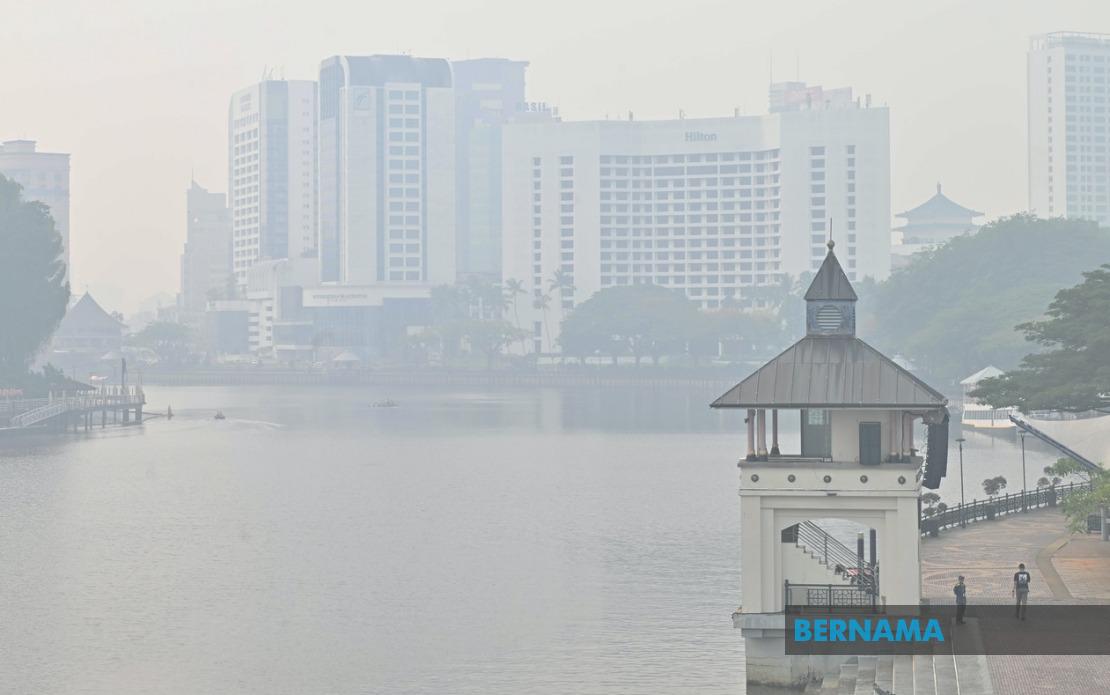
ASEAN countries face mounting pressure to overhaul their approach to managing transboundary haze pollution, with prominent social activist Tan Sri Lee Lam Thye calling for an urgent high-level review of the bloc's two-decade-old agreement on the issue. His intervention reflects growing frustration that regional cooperation mechanisms have failed to stem recurring seasonal haze episodes that regularly envelop Southeast Asia in hazardous smog, affecting millions and disrupting economic activity across borders.
The ASEAN Agreement on Transboundary Haze Pollution, signed in Kuala Lumpur in June 2002 and implemented the following year, was designed to address the cross-border smoke and pollution that blankets the region during dry seasons. However, despite more than twenty years of the accord being in force, the recurrence of severe haze episodes suggests that existing frameworks lack the teeth needed to prevent or substantially mitigate the problem. Tan Sri Lee's intervention highlights a critical gap between aspirational regional agreements and their practical enforcement on the ground.
At the heart of the issue lies a fundamental shift in how ASEAN conceives of the haze problem. Rather than treating transboundary pollution as an inescapable seasonal inconvenience—a perspective that has dominated regional discourse—Tan Sri Lee argues it must be reframed as a governance, environmental, and public health crisis that demands preventive action rather than reactive crisis management. This reorientation would require member states to move beyond issuing statements during acute episodes and instead establish permanent mechanisms that address root causes year-round.
The activist proposed a comprehensive package of reforms that strikes at multiple levels of the haze problem. These include establishing clear, measurable targets for preventing fires and reducing hotspots across the region, coupled with mechanisms for investigating and penalising those responsible for open burning and illegal land clearing. Critically, he called for accountability mechanisms that extend beyond national borders, enabling enforcement when fires in one country cause documented transnational damage. Such provisions would represent a significant departure from the current arrangement, which relies heavily on voluntary cooperation and lacks robust dispute resolution mechanisms.
Tan Sri Lee also advocated for the creation of a permanent regional haze response infrastructure, moving beyond ad-hoc coordination during crises. This would encompass real-time satellite monitoring of hotspots, rapid information-sharing protocols, joint firefighting capabilities deployed across borders, and clearly defined responsibilities for each country during serious pollution episodes. For Malaysia, which has repeatedly borne the brunt of haze drifting from neighbouring territories, such arrangements could substantially reduce the economic and health costs borne by Malaysian citizens and businesses during severe episodes.
A particularly nuanced point in the proposal concerns El Niño and climate patterns. While the ASEAN Specialised Meteorological Centre has flagged that strengthening El Niño conditions, below-normal rainfall, and prevailing winds could worsen haze risks in southern ASEAN, Tan Sri Lee cautioned against treating natural climate phenomena as an excuse for inaction. The critical distinction he drew is that while El Niño creates dry conditions conducive to fire, human activity—deliberate forest clearing, agricultural burning, and inadequate fire prevention—transforms those dry conditions into a regional disaster. This distinction is pivotal because it places responsibility squarely on governance and enforcement rather than on uncontrollable natural forces.
The proposal also highlights the necessity of strengthening cooperation on peatland and forest management across ASEAN. Peatlands, which store vast quantities of carbon and are particularly prone to burning when drained, represent concentrated sources of severe haze pollution when ignited. Yet management of these ecosystems remains fragmented, with coordination occurring primarily during crises rather than as part of a sustained regional strategy. Improved transparency in sharing information about hotspots, fire sources, and enforcement actions would enable peer pressure and mutual accountability among member states, a mechanism largely absent from current arrangements.
For Malaysia and other affected nations, Tan Sri Lee's call to raise the issue at the highest levels of ASEAN carries significant weight. He explicitly framed such advocacy not as interference in other countries' internal affairs but as a legitimate defence of the health and wellbeing of Southeast Asian citizens. This framing is crucial in a region where sovereignty concerns often complicate transnational environmental cooperation. By emphasising shared interests in public health outcomes rather than recrimination, the proposal sidesteps nationalist objections while maintaining pressure for substantive reform.
The timing of these recommendations is noteworthy given predictions of intensified haze risk during the coming dry season. El Niño's strengthening, combined with below-normal rainfall patterns, creates an urgent window for ASEAN to demonstrate capacity for preventive action before conditions deteriorate further. Failure to implement strengthened measures risks repeating the pattern of the past two decades: initial denial or minimisation during the inter-monsoon period, followed by crisis response once air quality becomes undeniably hazardous across multiple countries.
Implementing Tan Sri Lee's proposals would require significant political commitment from ASEAN member states, particularly those where land clearing and open burning remain economically important activities. Yet the accumulating costs of transboundary haze—respiratory illness, reduced productivity, disrupted supply chains, and reputational damage—increasingly argue for preventive investment. A reformed agreement with genuine enforcement capacity, measurable targets, and permanent institutional mechanisms could transform ASEAN's approach from perpetual crisis management to sustainable regional environmental governance.
The broader implication is that ASEAN's credibility as a regional bloc partly depends on its capacity to protect citizens from transboundary environmental harm. Two decades after signing its haze agreement, the organisation faces a critical juncture: either undertake the difficult political and institutional reforms necessary to make the accord genuinely effective, or risk further erosion of public confidence in regional cooperation mechanisms. As Southeast Asia becomes increasingly economically integrated and environmentally interdependent, the stakes for getting this right extend far beyond air quality.

