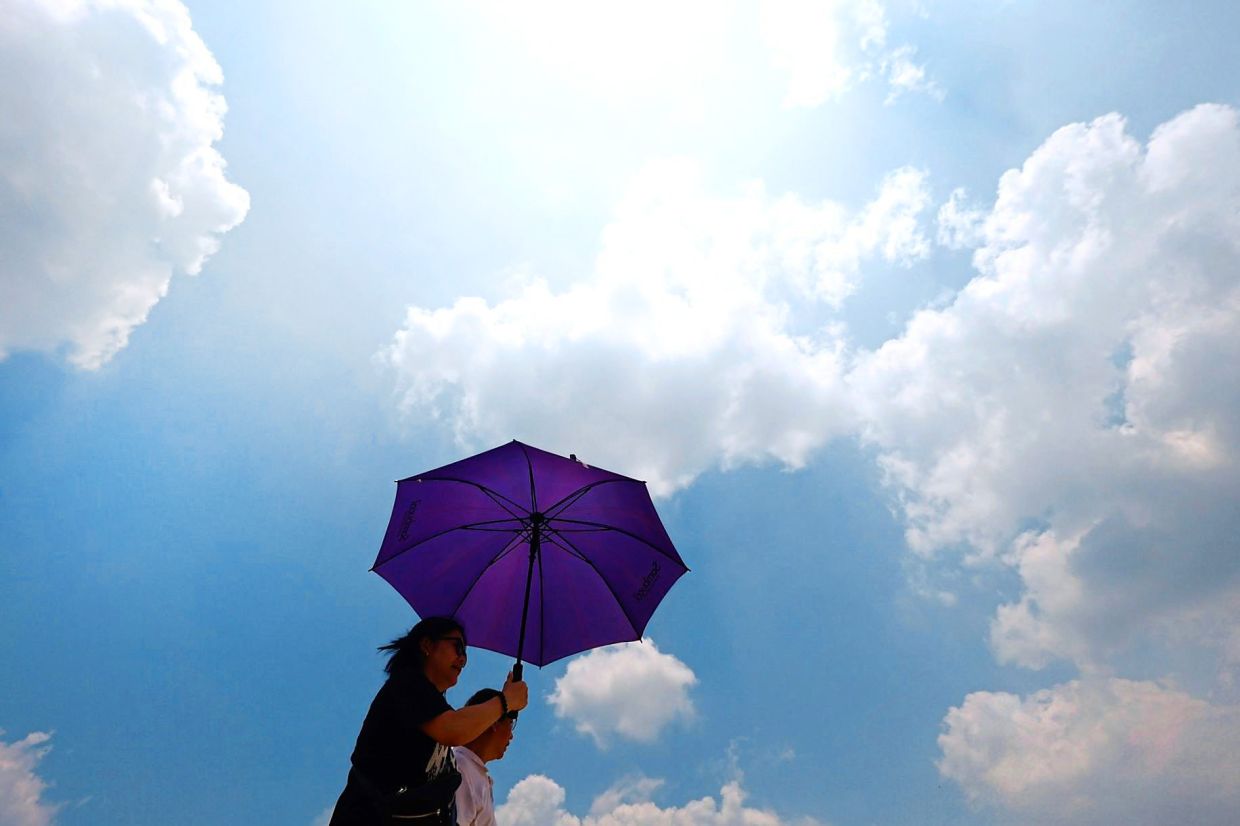
The World Health Organization issued a stark assessment in late June 2026, declaring that heatwaves will become more frequent, more severe, and longer-lasting across the globe. This warning followed a deadly stretch of record-breaking temperatures that swept through Europe, causing dozens of fatalities. Dr Hans Kluge, WHO Europe's regional director, stressed that heatwaves are no longer isolated weather anomalies but represent an emerging pattern of recurring crises that governments and health systems must anticipate and manage systematically.
As climate change intensifies thermal extremes worldwide, a critical question emerges: can human physiology evolve sufficiently to withstand these mounting challenges? According to Kathrin Graw, a medical meteorologist with Germany's Deutscher Wetterdienst (DWD), the answer is complicated. Yes, the body possesses adaptive mechanisms, but these are far from unlimited. The capacity for adjustment is finite and confronts practical boundaries that become increasingly problematic as heatwaves persist.
The primary constraint lies in duration. Research from the DWD demonstrates a troubling correlation between heatwave length and mortality risk. Each successive day of extreme heat compounds physiological stress, particularly when nighttime temperatures fail to cool sufficiently. Warm nights prevent adequate recovery, disrupting sleep architecture and leaving individuals more vulnerable as fresh heat arrives the following day. This cumulative burden distinguishes dangerous heatwaves from tolerable warm spells, transforming a manageable stress into a genuine health catastrophe.
Data illustrating this dynamic comes from examining cardiovascular patients, a population especially sensitive to thermal stress. During the opening days of a heatwave, excess deaths in this group hover around 8.5 percent above baseline levels. However, by the 11th and 12th days of sustained heat, excess mortality surges to approximately 18 percent—more than double the initial impact. This escalation reveals that the human body cannot indefinitely sustain its compensatory mechanisms; tolerance erodes as duration extends.
The body does demonstrate a meaningful capacity for seasonal adaptation within single years. Throughout summer months, physiological acclimatization occurs gradually, rendering individuals somewhat more resilient to heat as autumn approaches. Weather services like the DWD calibrate warning thresholds with this reality in mind, setting lower temperature benchmarks for heat alerts in spring or following cooler periods, then raising these thresholds as summer progresses and populations acclimate. This tactical adjustment reflects genuine biological flexibility operative at the seasonal timescale.
Geographically, populations in warmer southern latitudes display lower heat-related mortality rates compared to cooler northern regions, suggesting that prolonged historical exposure does confer advantages. Yet this geographic variation offers limited reassurance for those facing accelerating climate disruption. Long-term evolutionary or generational adaptation cannot materialize rapidly enough to match the speed of current warming trends. Kathrin Graw warned that substantive constraints exist on multigenerational adaptation, particularly when the thermal changes demanding adjustment are themselves accelerating faster than biological systems can respond.
The acceleration itself poses a fundamental problem. Climate change in recent years has intensified at a quickening pace, compressing timescales for adaptation. Rather than gradual warming allowing incremental physiological adjustment across generations, populations now confront increasingly aggressive thermal shocks. The body's capacity to adapt becomes irrelevant if conditions shift faster than adaptation can occur. This temporal mismatch—between the speed of climatic change and the pace of human biological response—represents perhaps the most consequential constraint on long-term heat adaptation.
Vulnerable populations face disproportionate risks as heatwaves worsen. Elderly individuals, young children, pregnant women, and those managing pre-existing cardiovascular or respiratory conditions all experience heightened susceptibility to heat-related illness and death. These groups cannot rely on the same adaptive mechanisms available to younger, healthier populations. As heatwaves become more frequent and intense, the absolute number of vulnerable people facing dangerous conditions will expand, likely overwhelming public health infrastructure and social support systems across many nations.
For Malaysian and Southeast Asian readers, these findings carry particular significance. The region straddles the tropical zone where baseline temperatures already exceed those in temperate latitudes, and climate projections indicate that heatwaves will intensify substantially by mid-century. Urban heat island effects in expanding cities like Kuala Lumpur, Bangkok, and Jakarta will compound broader climatic warming, creating microclimatic zones where wet-bulb temperatures approach or exceed physiological limits. Construction workers, agricultural laborers, and outdoor vendors—occupational groups vital to regional economies—will face mounting occupational heat stress that threatens productivity and human welfare.
Public health planners across Southeast Asia must confront these realities now. Heat adaptation limits mean that reactive approaches prove insufficient. Nations must invest in urban cooling infrastructure, enforce labor protections during extreme heat, strengthen health system capacity for heat-related illness management, and develop early warning systems calibrated to regional baselines. Merely hoping human bodies will adapt to future conditions represents a dangerous abdication of policy responsibility, as medical evidence demonstrates this adaptation has definable limits that rising temperatures increasingly exceed.
The convergence of accelerating climate change and bounded human adaptive capacity creates an urgent imperative for mitigation and active adaptation planning. While seasonal acclimatization and geographic variation reveal that some thermal flexibility exists, these cannot substitute for aggressive emissions reductions or comprehensive heat resilience infrastructure. The window for managing this transition remains open but is closing rapidly. Policymakers, urban planners, and public health officials must act decisively to protect populations before heatwave frequencies and intensities overwhelm the physiological and institutional defenses currently in place.

