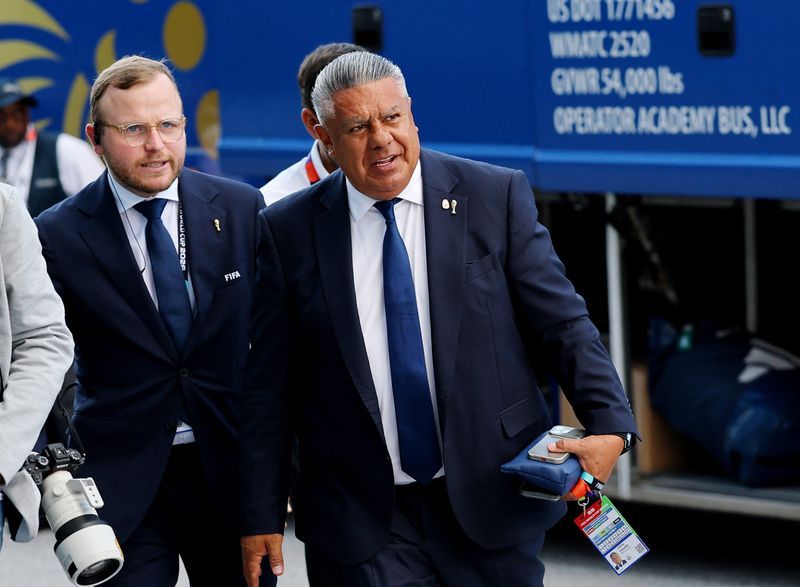
Argentina's football association moved swiftly to counter swirling reports on Wednesday, categorically denying that its president Claudio Tapia or treasurer Pablo Toviggino had been compelled to provide testimony to American courts. The AFA issued a formal statement emphasizing that neither official had been named in any judicial summons, and that no personal measures, appearance orders, or procedural obligations had been imposed upon them by the US justice system. The clarification came after days of intensive media speculation across Argentina and international outlets regarding the circumstances surrounding the squad's departure from New York following the World Cup final.
However, the football body's denial contained a crucial caveat: it acknowledged that a third party had indeed been summoned to appear before a US grand jury and could potentially be called upon to provide evidence relating to several individuals, including officials from the organization itself. This admission suggested that while Tapia and Toviggino may have escaped direct legal orders, the investigation into Argentine football's financial structures remained active and broad in scope. The AFA notably refrained from identifying the third party in question, a strategic silence that left considerable room for speculation about who might be cooperating with American authorities or facing pressure to do so.
The controversy erupted from reports that federal agents had detained both Tapia and Toviggino at New York's JFK Airport on Monday morning as the Argentina squad prepared to depart on a charter flight. According to eyewitness accounts from the tarmac, the pair were questioned for approximately thirty minutes aboard a bus parked near the aircraft, with agents reportedly seeking access to Tapia's electronic devices. The airport incident immediately triggered intense media coverage, with local Argentine outlets such as Infobae publishing detailed accounts of what appeared to be a significant intervention by US law enforcement at a moment of national sporting triumph.
Beneath these immediate circumstances lies a far more extensive investigation into Argentine football's commercial dealings and financial management. According to reporting on the scope of the probe, American authorities are examining more than $300 million in contracts linked to the AFA, representing a substantial portion of the organization's commercial activity. This investigation exists within the broader context of scrutiny that has surrounded Argentine football finances following coordinated raids conducted in December as part of a money-laundering investigation, suggesting that financial irregularities in the sport have drawn sustained attention from law enforcement agencies across multiple jurisdictions.
For Malaysian and Southeast Asian observers, this situation illuminates the increasing convergence of sports governance and international financial crime investigation. Football associations across the region have faced similar pressures as authorities worldwide enhance their scrutiny of large-scale commercial contracts and fund flows within sporting organizations. The case demonstrates how even the most prominent football institutions remain subject to investigation when financial practices come under question, regardless of their sporting achievements or international standing.
The AFA's formal statement sought to establish clear legal distinctions between different types of judicial process. The organization emphasized that neither Tapia nor Toviggino had been issued documents that imposed personal measures, ordered their appearance, established procedural obligations, or authorized seizure or confiscation of their property. This precision suggests legal counsel carefully constructed the denial to address specific investigative mechanisms while leaving unresolved broader questions about what exactly transpired during the airport encounter and whether it constituted an informal or extraterritorial extension of the investigation.
The incident's timing proved particularly sensitive given Argentina's freshly won World Cup glory and the celebratory atmosphere surrounding the team's return home. The juxtaposition of federal agents boarding the charter flight with a victorious squad created an incongruous image that dominated Argentine news cycles and raised questions about the diplomatic dimensions of the encounter. Conversations about how US authorities coordinate with foreign governments on financial investigations, and whether such airport interventions require prior communication with their Argentine counterparts, became implicit themes in domestic political discourse.
The investigation into AFA finances reflects wider global efforts to combat financial misconduct within sports governance. International organizations including FIFA itself have faced repeated scandals involving corruption and mismanagement of commercial contracts, leading major financial jurisdictions to establish dedicated units for monitoring sports-related transactions. Argentina's case illustrates how these enforcement efforts can extend beyond formal legal structures and into the arena of pre-departure questioning at international airports, suggesting that investigators possess sufficient concern about potential evidence leaving US jurisdiction to justify such interventions.
The December raids mentioned in investigative reports had already signaled that Argentine football authorities were subject to heightened scrutiny. Money-laundering investigations typically evolve methodically, beginning with asset seizures and searches before progressing to witness interviews and grand jury proceedings. The third party's summons to testify before a grand jury represents a subsequent phase in this investigative timeline, suggesting that authorities have moved beyond initial document collection toward gathering testimony about the individuals and structures involved in the contested transactions.
For stakeholders in Southeast Asian football, including governing bodies and commercial entities with international contracts, the Argentine situation underscores the importance of maintaining meticulous financial documentation and ensuring transparency in major commercial arrangements. Football associations from Malaysia, Thailand, Indonesia, and other regional nations that pursue increasingly lucrative commercial opportunities must calibrate their practices against the evidently rigorous international standards that American authorities apply to cross-border sports transactions.
The broader implications for Argentine football's international relationships remain uncertain. Successful prosecution or significant regulatory findings could necessitate governance reforms at the AFA, potentially affecting the organization's commercial relationships and operational autonomy. The investigation may also influence how other South American football bodies approach their own financial oversight, particularly regarding contracts that involve American corporations or financial institutions. As investigations continue and more details emerge about the nature of the contested commercial arrangements, the specific allegations underlying the $300 million examination will likely become public knowledge through court filings and investigative journalism.

