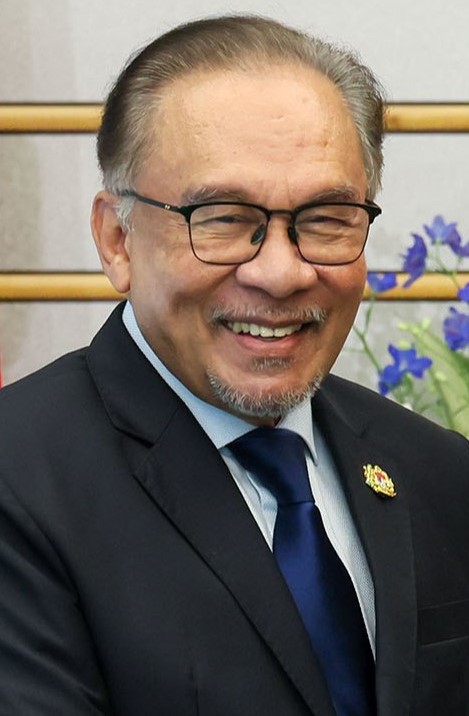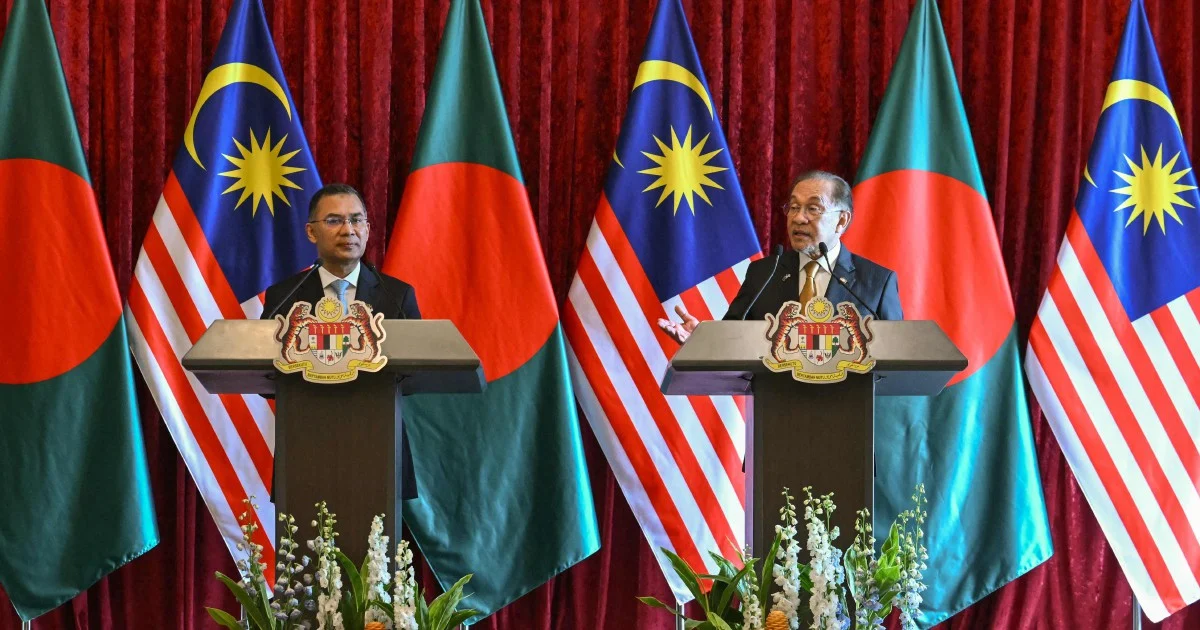
Prime Minister Datuk Seri Anwar Ibrahim has reaffirmed the government's determination to stamp out systematic abuse of Bangladeshi migrant labourers, recognising their indispensable role in sustaining Malaysia's economic machinery. Speaking on the issue, Anwar underscored that such mistreatment cannot persist in a nation that depends heavily on foreign workers across multiple sectors, from manufacturing to domestic services.
The pledge comes amid mounting international scrutiny over conditions faced by Bangladeshi nationals working in Malaysia. These workers form one of the largest migrant communities in the country, with hundreds of thousands employed across construction sites, factories, plantations, and private households. Their contributions have become so fundamental to Malaysia's labour force that disruptions to this supply chain could ripple across various industries and potentially constrain economic growth.
Anwar's statement reflects broader concerns raised by both local civil society organisations and international bodies monitoring human rights and labour standards. Documentation of cases involving wage theft, unsafe working conditions, passport confiscation, and restricted movement has drawn criticism from organisations tracking migrant worker protections. The Malaysian government has faced pressure to demonstrate substantive action rather than rhetorical commitments on this persistently problematic issue.
The economic dimension of this matter deserves careful consideration. Bangladesh supplies Malaysia with a steady workforce willing to undertake roles that are increasingly difficult to fill domestically. Bangladeshi workers have become particularly prevalent in sectors facing chronic labour shortages, and their presence enables employers to maintain production levels and competitiveness. Conversely, poor treatment of these workers can trigger diplomatic tensions with Bangladesh and potential restrictions on labour migration, which would have serious ramifications for Malaysian businesses and economic activity.
Protecting migrant workers also aligns with Malaysia's aspirations to position itself as a responsible regional economy and a nation governed by the rule of law. International investors and trading partners increasingly scrutinise labour practices when making decisions about partnerships and investments. A reputation for tolerating exploitation could undermine Malaysia's standing in global markets and complicate diplomatic relations across the region.
Anwar's administration has previously signalled its intention to reform migrant worker regulations through legislative changes and enforcement mechanisms. Previous initiatives have included efforts to strengthen oversight of labour agencies, improve mechanisms for worker complaints, and increase penalties for employers found guilty of abusive practices. However, implementation and consistency in enforcement have remained persistent challenges, with resource constraints and coordination difficulties between agencies sometimes limiting effectiveness.
The scale of the problem demands systemic rather than superficial remedies. Effective protection requires coordination across multiple government departments, training for labour inspectors, accessible complaint mechanisms that workers feel safe using, and reliable enforcement with meaningful consequences for violators. Additionally, cooperation with Bangladesh's government and international organisations can strengthen capacity and create accountability frameworks that extend beyond Malaysia's borders.
For Malaysian employers and industries reliant on migrant labour, stronger protections could paradoxically improve stability and efficiency. Workers treated fairly with secure wages and safe conditions are typically more productive, experience lower turnover, and require fewer resources devoted to managing discontent or replacing staff. Progressive labour standards can thus serve economic interests as well as humanitarian imperatives, though short-term cost considerations sometimes obscure this longer-term perspective.
The regional context adds further weight to this issue. As a nation with ambitions to lead Southeast Asia on economic and governance matters, Malaysia's handling of migrant worker rights carries symbolic importance. Other regional economies facing similar migration pressures will observe whether Malaysia can meaningfully improve protections or whether problems persist despite official pronouncements. Success here could establish best practices applicable elsewhere in the region.
Anwar's commitment will ultimately be measured against tangible outcomes rather than statements. This will include verifiable reductions in substantiated cases of exploitation, accessible remediation for affected workers, transparent enforcement data, and demonstrated capacity to impose meaningful consequences on perpetrators. International monitoring and coordination with Bangladesh will likely intensify scrutiny of whether pledges translate into measurable improvements in worker conditions and dignity.
The intersection of economic necessity, humanitarian obligation, and diplomatic opportunity presents both challenge and incentive for decisive action. Malaysian policymakers must balance employer interests against worker rights while recognising that sustainable prosperity depends on ethical foundations and social stability. How effectively the government executes this commitment will shape not only the welfare of hundreds of thousands of vulnerable workers but also Malaysia's reputation and economic trajectory in an increasingly interconnected region.