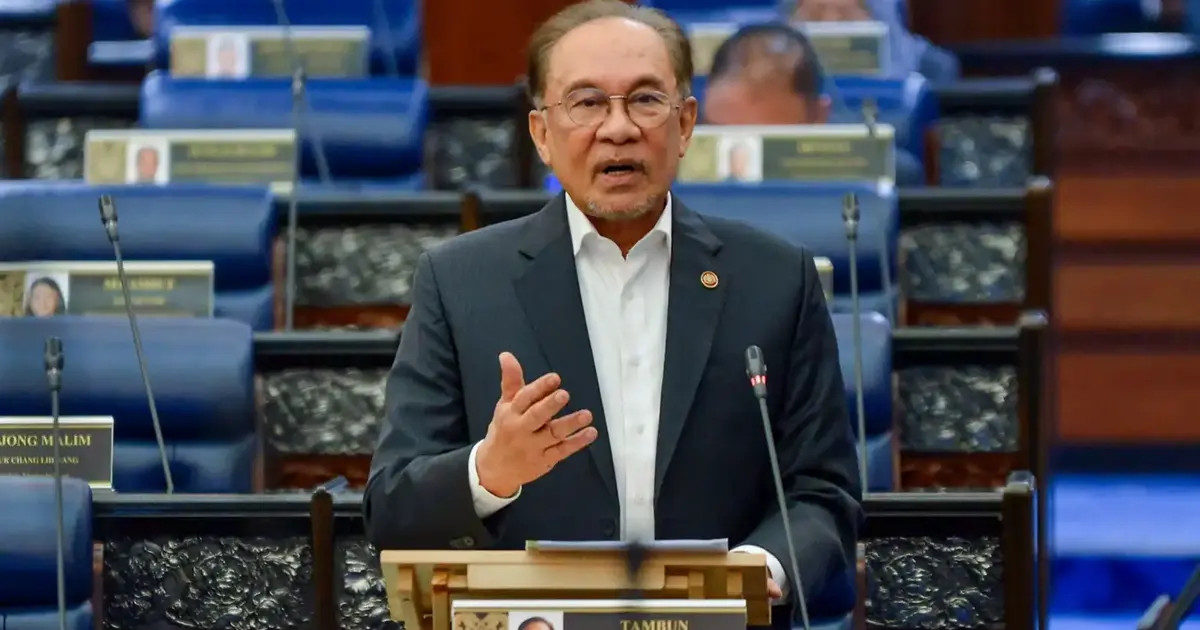
Prime Minister Anwar Ibrahim has reiterated his position against holding a snap general election, maintaining that the electorate desires tangible economic improvements and political stability rather than frequent campaigns that divert government attention from pressing national concerns.
Anwar's latest statement represents a sustained pushback against recurring pressure from various quarters seeking an earlier-than-scheduled ballot. These calls have surfaced periodically since the government's formation, often emerging from political opponents or those dissatisfied with the administration's pace of change. By publicly reasserting his stance, the Prime Minister appears intent on settling expectations and preventing further speculation about the electoral calendar that could undermine investor confidence and disrupt policy implementation.
The Prime Minister's argument centres on a fundamental premise: that electoral stability provides essential conditions for economic recovery and growth. Malaysia has faced persistent economic headwinds in recent years, including inflationary pressures, currency volatility, and concerns about competitiveness in regional and global markets. From this perspective, holding elections disrupts government operations, diverts ministerial attention to campaigning, and creates investor uncertainty during critical periods when sustained policy focus becomes necessary.
This reasoning reflects broader patterns in Southeast Asian governance. Across the region, governments have frequently justified lengthy tenures or delayed elections by emphasizing economic imperatives. The success of such arguments depends heavily on whether administrations can demonstrate genuine progress on growth, employment, and living standards. Anwar's coalition government faces particular pressure on this front, given pre-election promises of rapid economic transformation and fiscal reform.
The rejection of early elections also signals confidence in the coalition's parliamentary arithmetic. The government has managed coalition partners and maintained working majorities despite occasional tensions with component parties and independent lawmakers. Triggering elections would introduce unpredictability into these calculations, with no guarantee the current coalition would emerge strengthened. By emphasizing governance continuity, Anwar implicitly acknowledges that the current configuration remains preferable to risking fragmentation through an electoral contest.
Opposition parties and critics have periodically called for snap elections, viewing them as opportunities to capitalize on any government missteps or public dissatisfaction. However, Anwar's framing attempts to position early voting as irresponsible—a capitulation to political self-interest rather than national welfare. This rhetorical strategy aims to render opposition election calls seem narrow and opportunistic by contrast with the government's supposed focus on broader prosperity.
The stability argument also carries weight among Malaysia's business community and international investors. Political certainty reduces risk premiums on investments, supports currency stability, and allows long-term planning. The past decade of coalition instability and frequent government transitions has damaged Malaysia's reputation as an investment destination. Therefore, demonstrating commitment to a full elected term addresses real concerns among economic stakeholders whose confidence the government needs to restore.
However, this approach contains inherent risks. Stability messaging only resonates if accompanied by measurable economic results. If growth remains sluggish, unemployment persists, or cost-of-living pressures intensify, calls for electoral change will likely intensify rather than diminish. The government's credibility depends on translating its stability argument into concrete improvements in household incomes, job creation, and public service quality over coming months.
Anwar's repeated rejection of early election calls also reflects lessons from Malaysia's recent political history. The 2023 general election itself was contentious, with questions about stability versus change dominating the campaign. The resulting coalition government was presented as a reformist alternative, yet has faced criticism for not moving quickly enough on promised changes. By insisting on time to deliver, the Prime Minister attempts to reset expectations around what constitutes reasonable progress.
The broader implication for Malaysian politics involves a tension between electoral democracy and governance effectiveness. While democratic theory emphasizes regular electoral accountability, practical governance often requires sustained focus on implementation. How voters assess this trade-off in their own preferences remains unclear, though Anwar's framing suggests calculations that political stability currently carries more weight than electoral frequency among the broader population.
Looking forward, the government faces a crucial period where initial policy achievements must accumulate credibly. Infrastructure projects must demonstrate progress, economic statistics must show improvement, and public services must show tangible enhancements. These practical results will ultimately determine whether Anwar's patience-based argument retains public support or whether frustration drives renewed electoral pressure. For Malaysia and the broader Southeast Asian region, this case illustrates the enduring challenge of balancing democratic participation with governance continuity in developing economies.

