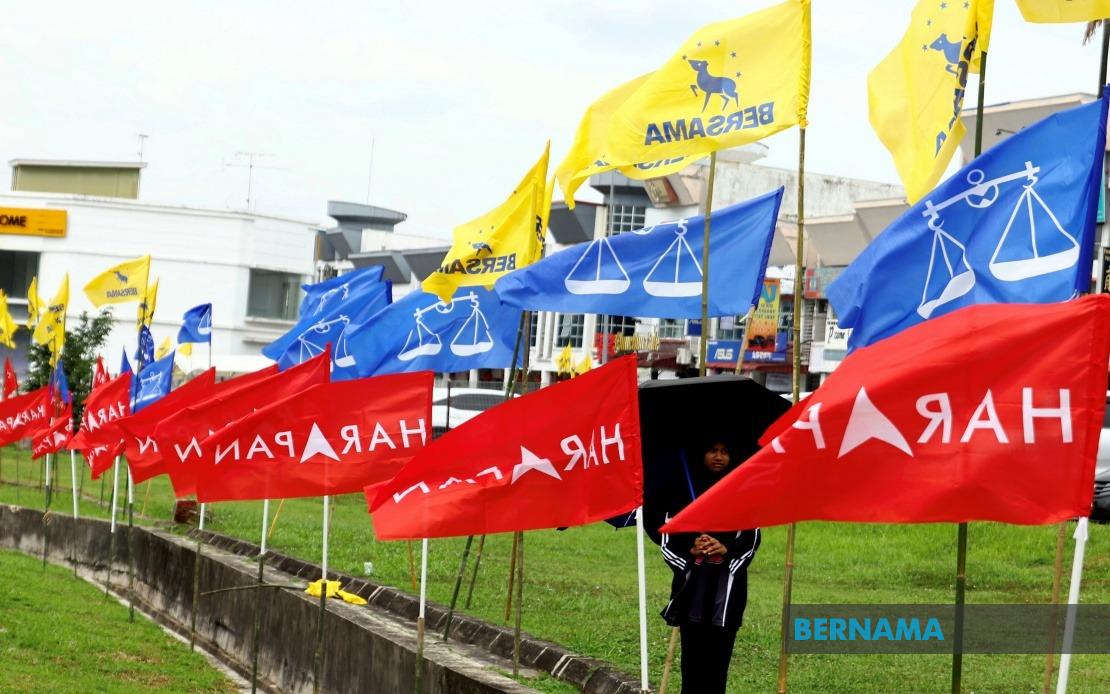
Prime Minister Datuk Seri Anwar Ibrahim made a direct appeal to voters in Johor ahead of the state election scheduled for this Saturday, calling on residents to entrust Pakatan Harapan with the mandate to lead the state. In his address from Johor Bahru, the PH chairman stressed that the coalition would dedicate itself to advancing the interests of Malaysia's southernmost state if voters bestow them with the responsibility to govern.
With only days separating voters from their opportunity at the ballot box, Anwar sought to mobilise support by framing the election as a choice about Johor's future trajectory. He conveyed confidence that the coalition possesses both the commitment and capacity to translate electoral backing into tangible improvements for the state's residents. The timing of his appeal reflected the intensifying final phase of campaigning, when political parties typically amplify their core messaging to undecided voters and attempt to consolidate their base before polling day.
Beyond his formal statement, Anwar employed traditional Malay communication methods to reinforce his message, composing a pantun to encourage diaspora voters to return home and participate in the democratic process. The verse referenced Johor's culinary heritage and the importance of preserving ancestral legacies, creating an emotional resonance intended to motivate voters living outside the state to make the journey back to cast their ballots. This cultural approach demonstrated an attempt to appeal across generational and demographic divides by tapping into shared Johor identity and collective responsibility.
The 16th Johor state election represents a significant contest in Malaysia's electoral calendar, with 172 candidates contending across 56 state constituencies. The magnitude of the contest underscores Johor's political importance within the federation, as the state election serves as both a regional mandate and a barometer for national political sentiment. Victory in the resource-rich southern state could substantially bolster PH's standing heading into future electoral cycles, while a loss would present challenges to the coalition's broader political narrative.
Anwar's appeal carries particular weight given the composition of Johor's electorate, which includes substantial numbers of voters who have migrated to other states or countries for employment and educational opportunities. By specifically calling on Johor-born residents to fulfil their civic duty, the Prime Minister acknowledged demographic realities that shape electoral turnout patterns. Diaspora voter participation has historically influenced outcomes in peninsular states, and mobilising this segment represents a strategic priority for the ruling coalition.
Pakatan Harapan's positioning emphasises continuity with developmental agendas and institutional stability, contrasting implicitly with opposition narratives. By requesting a mandate rather than demanding votes, Anwar employed language suggesting collaborative governance and public trust rather than partisan assertion. This rhetorical approach aligns with broader PH messaging about shared responsibility for national progress and the necessity of sustained reform implementation.
The election context reflects broader tensions within Malaysian politics regarding state autonomy, federal resource allocation, and the balance between development priorities and social welfare expansion. Johor, as an economically significant state with substantial manufacturing and port infrastructure, commands strategic importance in federal-state relations. The composition of the state government directly influences investment climate perceptions, infrastructure development pathways, and the state's capacity to coordinate with federal agencies on critical projects.
Campaigning dynamics in Johor have highlighted competing visions for the state's development trajectory, economic competitiveness, and social policy direction. PH's appeal rests partly on perceived institutional reform credentials and commitment to transparency, messaging particularly resonant among urban and younger voters concerned with governance quality. The coalition must consolidate support across diverse constituencies while defending against opposition characterisations of its federal governance record.
Voter turnout patterns will significantly influence the election outcome, particularly given Malaysian electoral mathematics where narrow victory margins translate into substantial seat differentials. The diaspora mobilisation effort reflects recognition that passive support insufficiently guarantees electoral success, requiring active participation from all demographic segments. Anwar's invocation of ancestral heritage and shared state identity represents an attempt to overcome geographic dispersion that might otherwise depress turnout among absent residents.
The 56-seat legislature determines not only state executive power but also influence over local development priorities, resource allocation between constituencies, and the state government's positioning within federal politics. A decisive PH victory would provide the coalition with additional leverage in federal negotiations and reinforce claims of sustained public confidence, while a narrower outcome might invite opposition interpretations of voter dissatisfaction and potential political instability.
As Johor voters prepare for the ballot, Anwar's appeals encapsulate broader PH campaign strategy combining institutional competence messaging with emotional appeals to shared community identity and collective responsibility. The electoral outcome will substantially determine not only Johor's governance direction for the coming term but also carry implications for national political momentum and coalition confidence heading toward the next federal election cycle.

