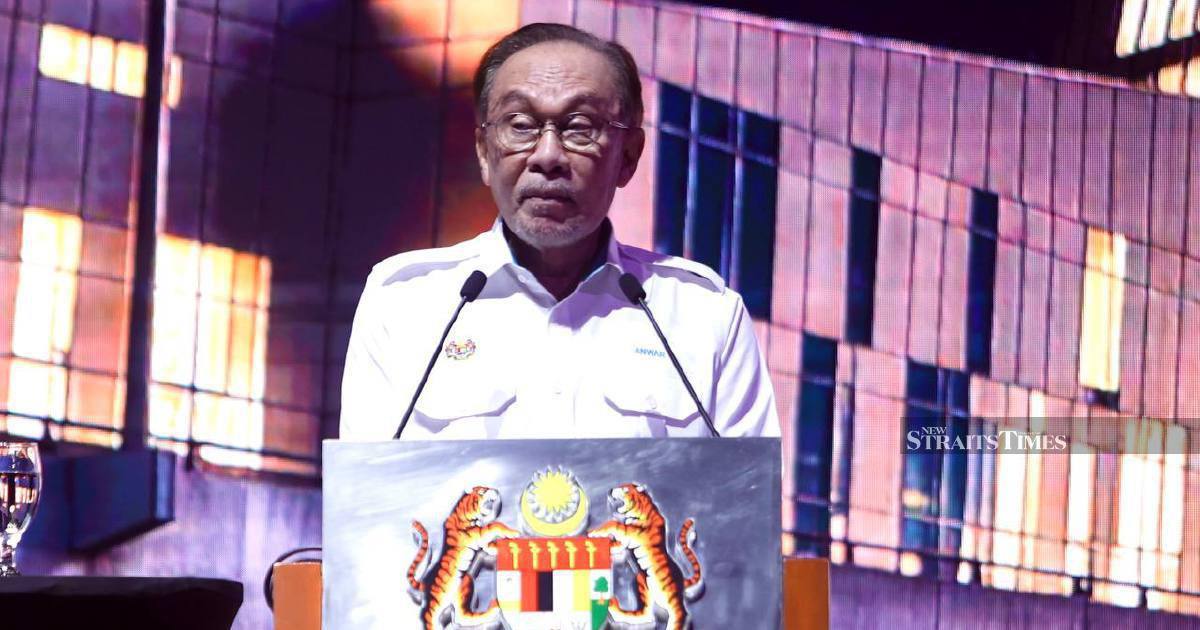
Prime Minister Datuk Seri Anwar Ibrahim has made a fresh appeal for the Malaysian film industry to operate with enhanced creative liberty, casting the issue as central to the nation's cultural development. Speaking in Petaling Jaya, Anwar positioned himself as an advocate for artistic expression while carefully framing such freedom within Malaysia's established moral and cultural boundaries.
The Prime Minister's intervention reflects growing tensions within the creative sector over content regulation and the extent to which filmmakers should operate under existing censorship frameworks. His statement suggests recognition that Malaysia's film industry faces international competitiveness pressures and that excessive restrictive measures could hamper creative talent and drive production work elsewhere in the region.
Anwar's dual emphasis on creative autonomy and adherence to national values represents an attempt to navigate competing interests within his coalition government. Conservative constituencies within Malaysia have historically pushed for strict content guidelines, while younger creators and industry stakeholders argue that excessive limitations constrain storytelling possibilities and limit the industry's global appeal.
The Malaysian film industry has long operated under the purview of the Malaysian Communications and Multimedia Authority (MCMC) and the Film Censorship Board, which maintain authority over content classification and approval. These regulatory bodies have faced criticism from filmmakers who argue that certain restrictions reflect outdated sensibilities and prevent Malaysian cinema from exploring complex themes that audiences elsewhere readily consume.
Anwar's remarks carry particular weight given Malaysia's position within Southeast Asia's creative landscape. Thailand, Indonesia, and the Philippines have all developed stronger regional film profiles partly by allowing filmmakers greater thematic range, though these nations maintain their own content standards. The competitive dynamic has prompted Malaysian industry observers to advocate for policy recalibration that could enhance the country's cultural export potential.
The constitutional framework governing Malaysian media and the arts reflects both secular and Islamic considerations, as the nation navigates its identity as a plural society with Islam as the official religion. This complexity means any shift toward enhanced creative freedom must accommodate diverse communal sensitivities while avoiding perceptions of cultural capitulation. Anwar's framing acknowledges this reality by emphasizing that freedom and responsibility operate in tandem.
For Malaysian filmmakers, the practical implications of Anwar's statement remain uncertain pending specific policy announcements or regulatory adjustments. The industry includes both international productions utilizing Malaysia as a location and local creators seeking to tell distinctly Malaysian stories. Enhanced creative space could benefit both segments by making the regulatory environment more predictable and less restrictive than competitors' frameworks.
Cultural industries contribute meaningfully to Malaysia's creative economy and soft power positioning. Film, along with music and digital media, forms part of the nation's broader efforts to establish itself as a Southeast Asian cultural hub. Anwar's intervention suggests government recognition that culture represents an economic and diplomatic asset deserving developmental investment rather than merely a domain requiring protective gatekeeping.
The tension between creative freedom and cultural guardianship reflects Malaysia's broader political dynamics. Different constituencies within the governing coalition maintain divergent views on social liberalism, and Anwar's balancing act attempts to accommodate both progressive demands for artistic latitude and conservative insistence on moral guardrails. This positioning may indicate internal coalition discussions about the appropriate regulatory approach moving forward.
International film festivals and streaming platforms increasingly shape audience expectations globally, exposing Malaysian viewers to diverse content and storytelling approaches. Local creators argue that overly restrictive domestic frameworks create a mismatch between what audiences consume internationally and what they may legally produce at home. This disconnect potentially undermines Malaysia's creative competitiveness and attractiveness to emerging filmmaking talent.
Practical implementation of expanded creative freedom would likely involve regulatory discussions between government agencies, industry representatives, and civil society stakeholders. Such dialogue could clarify which content categories warrant protective intervention and which might operate under less restrictive classification standards. The process would require defining contemporary Malaysian values without imposing blanket prohibitions that creative professionals view as anachronistic.
Anwar's statement may also reflect recognition that regulatory credibility depends partly on proportionality and community acceptance. Overly strict enforcement against content that audiences find acceptable elsewhere can undermine institutional legitimacy and encourage circumvention through alternative distribution channels. A more calibrated approach might enhance compliance while permitting greater creative experimentation.
Moving forward, the film industry will monitor whether Anwar's rhetorical support translates into concrete policy reforms, regulatory guidance adjustments, or resource allocation toward cultural development. The industry's international standing and economic contribution suggest that addressing creative sector constraints merits serious government attention as part of broader efforts to strengthen Malaysia's position within Southeast Asia's dynamic and competitive cultural landscape.

