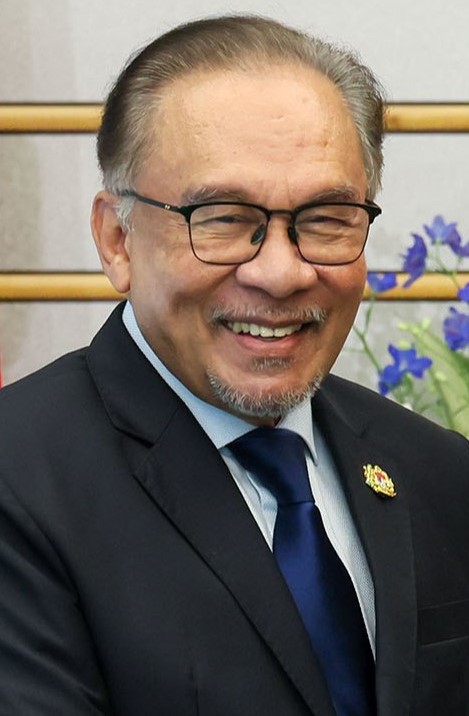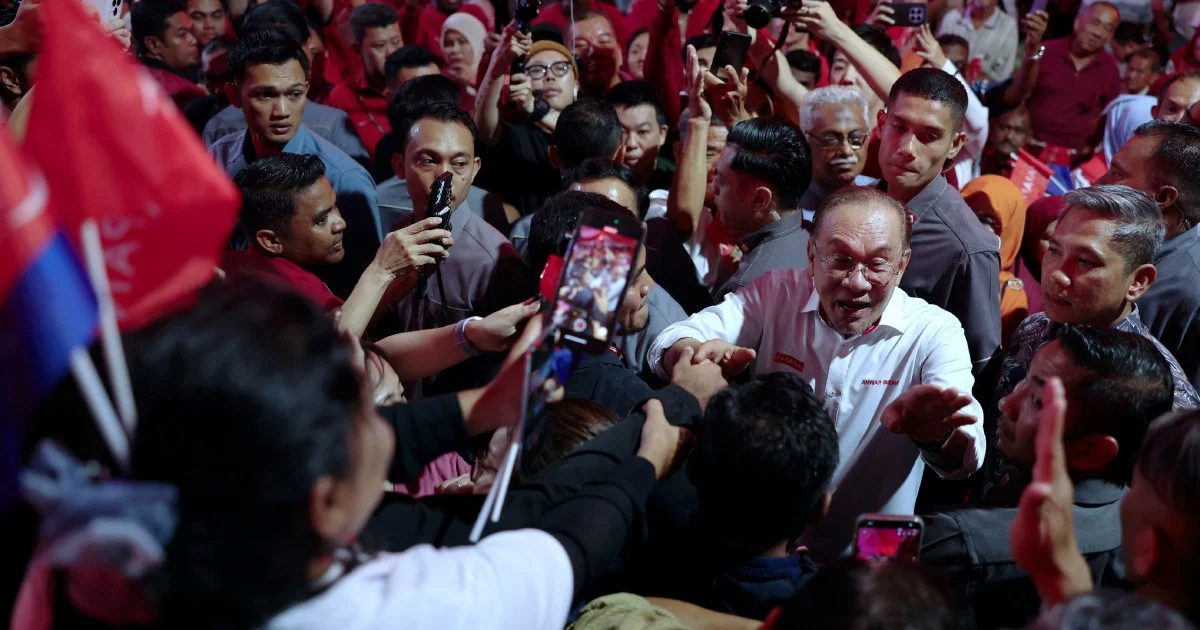
Pakatan Harapan has formally presented its complete electoral lineup in Johor, with coalition chairman Datuk Seri Anwar Ibrahim unveiling all 56 candidates who will contest the state election scheduled for July 11. The announcement, made in Tangkak, marks a crucial moment for the opposition alliance as it seeks to expand its political footprint in one of Malaysia's most significant states.
The Johor election holds considerable weight in the broader Malaysian political landscape. As one of the nation's largest states by population and economic output, Johor's political composition has historically influenced national politics and shaped coalitional dynamics at the federal level. A strong performance in the state would strengthen Pakatan Harapan's negotiating position and potentially signal renewed voter confidence in the coalition's governance capabilities.
The announcement of all 56 candidates demonstrates careful strategic planning by PH leadership. The party has had to balance numerous considerations in finalising its lineup, including geographic representation across Johor's diverse districts, factional interests within its constituent parties, and the need to identify competitive candidates capable of winning seats currently held by rival coalitions. Each of the component parties within PH—PKR, DAP, and Amanah—would have lobbied for representation, requiring negotiation and consensus-building at senior levels.
Johor presents a mixed electoral landscape for Pakatan Harapan. The state has substantial support bases for both PH and Barisan Nasional, with recent political shifts creating opportunities for the opposition. However, consolidating support and mobilising voters effectively across all 56 constituencies will present operational challenges during the campaign period. The coalition's ability to coordinate messaging and ground operations across multiple parties will be tested significantly.
The timing of the election in July falls within Malaysia's monsoon season, which can affect campaign accessibility in certain rural areas and potentially influence voter turnout. Campaign strategists within PH will need to account for these practical constraints while maintaining momentum across all constituencies simultaneously. The coalition's campaign machinery will need to be particularly efficient to cover such a large slate effectively.
Candidate quality and public perception will significantly impact Johor's outcome. Voters increasingly scrutinise individual candidates' credentials, track records, and connections to local communities. Pakatan Harapan's selection process has presumably attempted to identify individuals with strong local connections and demonstrated administrative or political experience, though some selections may inevitably attract criticism or controversy as campaigns progress.
The election occurs within a broader context of shifting Malaysian politics. The success or failure in Johor will provide crucial indicators about voter sentiment regarding federal governance under Anwar Ibrahim's administration, economic management, and the coalition's vision for the state. Opposition parties may use strong Johor results to build momentum toward future electoral contests at national level.
For Johor voters, the 56-candidate lineup represents the opposition's formal bid to provide an alternative government in the state. Voters will assess whether PH's candidates offer credible policy alternatives, particularly regarding economic development, job creation, education, and infrastructure—issues of considerable importance to Johor's working-class and industrial communities. The coalition's campaign will need to articulate clear, convincing positions on state-specific issues beyond national political narratives.
The composition of Pakatan Harapan's slate will inevitably attract analysis from political observers seeking to identify PH's strategic priorities. Candidate distribution across constituencies, the proportion of incumbent representatives seeking re-nomination, and the presence of new or previously unsuccessful candidates all communicate subtle messages about where the coalition believes its opportunities lie and which areas may be considered less winnable.
Regional implications extend beyond Johor itself. A strong showing would validate PH's political strategy in competitive states and provide templates for future electoral contests elsewhere in Malaysia. Conversely, disappointing results might force the coalition to reconsider candidate selection processes or campaign approaches. Neighbouring states and political analysts throughout Southeast Asia will monitor the Johor election closely as a referendum on opposition viability in contemporary Malaysian politics.
Anwar Ibrahim's personal role in unveiling the candidates underscore PH's commitment to the Johor contest. As prime minister and coalition chairman, his presence signals that the election receives top-level attention and that the coalition views strong performance as strategically essential. His leadership in finalising and announcing the slate also reflects the significant negotiation and consensus-building that precedes such announcements within multi-party coalitions.