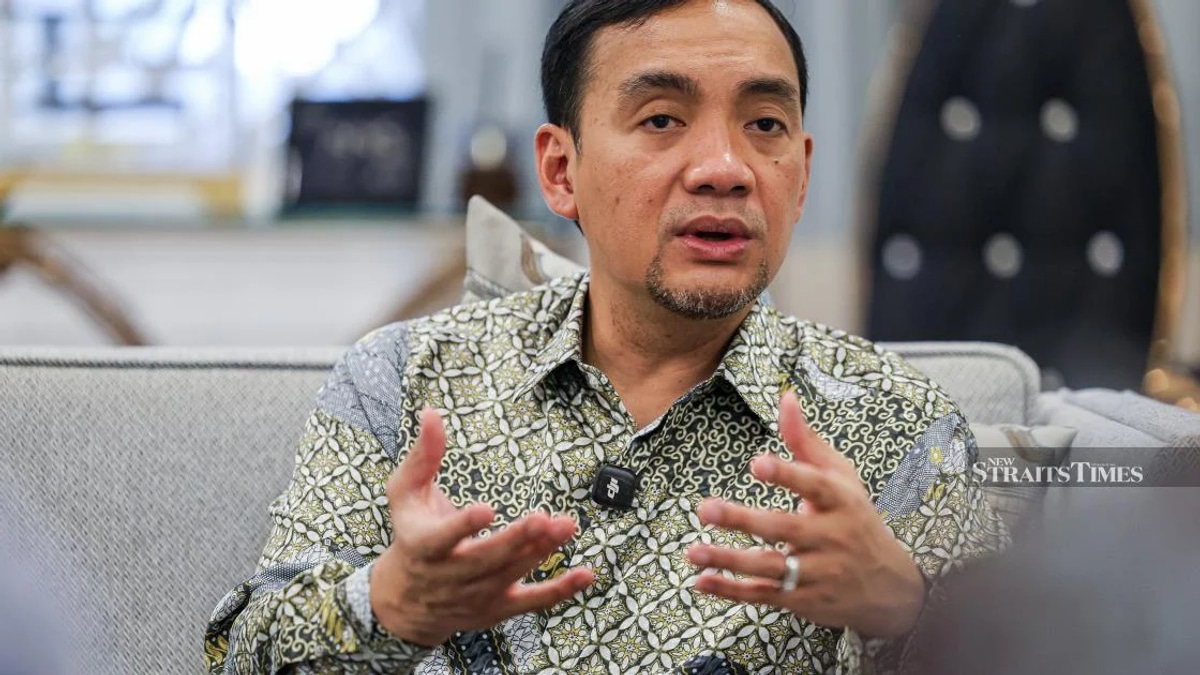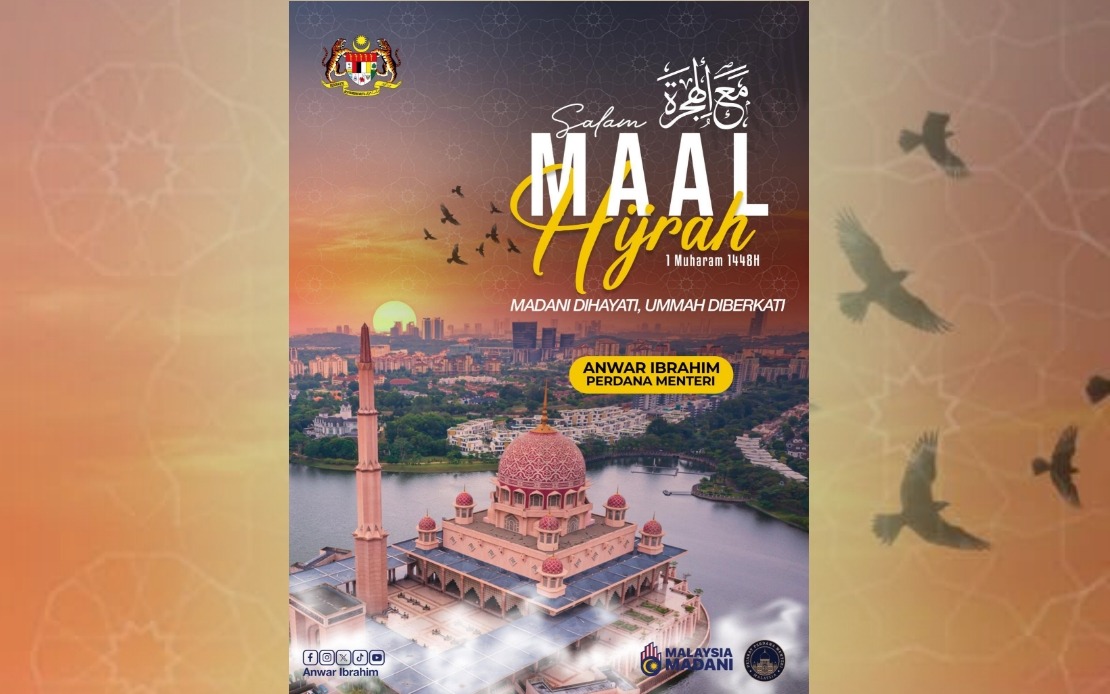
Prime Minister Datuk Seri Anwar Ibrahim has underscored the imperative of unity and consensus in translating the spiritual principles of Hijrah into concrete governance and societal reforms. Speaking during the Maal Hijrah 1448H observance, Anwar articulated a vision where the Islamic concept of migration and struggle becomes the philosophical foundation for modern policy initiatives centred on justice, truth, prosperity and security. His remarks positioned the historical Hijrah not merely as a religious milestone but as a template for understanding how transformative change emerges through collective rather than individual endeavour.
The Prime Minister drew instructive parallels from the Prophet Muhammad's migration to Madinah, emphasising that the success of that pivotal historical moment rested on coordinated action by diverse groups within the Muslim community. Rather than attributing achievement to singular leaders, Anwar highlighted the multifaceted roles performed by young figures such as Saidina Ali Abi Talib, contributions from women including Asma Abu Bakar, and countless companions who organised and participated in the migration. This historical framing serves to legitimise the notion that national advancement cannot be the province of any single political party or faction, but requires participation from across Malaysia's pluralistic social fabric.
For Malaysian readers, the connection between Hijrah principles and contemporary governance carries particular weight. Anwar's invocation of collective responsibility appears designed to counter accusations of partisan decision-making, positioning his administration instead as custodian of principles transcending factional interest. The emphasis on patience, cooperation and unified action addresses criticisms from coalition partners and opposition figures regarding the pace and direction of reforms undertaken since the government took office. By anchoring these arguments in Islamic theology rather than political pragmatism, Anwar seeks to elevate the discourse beyond transactional coalition politics.
The Prime Minister's declaration that "success will not come merely through rhetoric, slogans and individual effort, but must be achieved together with patience towards victory" carries an implicit acknowledgement that Malaysia's political landscape remains fractured. The statement appears calibrated to appeal to diverse constituencies within the Pakatan Harapan coalition while warning against the erosion of governmental unity through competing sectional interests. In a context where Malaysia's federal government continues to navigate competing demands from multiple states with differing political complexions, the emphasis on consensus-building addresses a perennial governance challenge.
Anwar further developed his argument by asserting that embodying Hijrah's spirit in contemporary Malaysia is inherently difficult precisely because the nation encompasses a diverse community network requiring ongoing negotiation and compromise. This candid acknowledgement suggests the Prime Minister recognises that translating Islamic spiritual concepts into policy implementation demands more than rhetorical commitment. The willingness to carry out reforms rooted in Hijrah principles, he insisted, must constitute a genuinely collective enterprise rather than the initiative of any single organisation or political group.
The Department of Islamic Development Malaysia's selection of "MADANI Dihayati, Ummah Diberkati" (MADANI Embraced, The Ummah Blessed) as this year's national theme reinforces the government's wider effort to position itself as both developmentally progressive and rooted in Islamic values. The MADANI framework, previously articulated as Malaysia's broader governance philosophy, finds expression in Maal Hijrah celebrations, creating thematic continuity between religious observance and state policy. This interconnection suggests a deliberate strategy to legitimise governance initiatives through Islamic conceptual frameworks.
For Southeast Asian observers, Malaysia's appropriation of Hijrah principles as a governance tool reflects broader regional patterns wherein Islamic thought informs state policy across Muslim-majority nations. However, Malaysia's approach stands distinguished by its emphasis on consensus and unity across a constitutionally plural state. Unlike some regional counterparts, Malaysian governance cannot simply impose uniformity but must accommodate communal diversity while drawing on Islamic principles. The challenge lies in articulating shared values without marginalising non-Muslim citizens or imposing majoritarian preferences.
Anwar's reference to verse 100 of Surah An-Nisa, concerning divine reward for those who migrate in service to Allah, demonstrates how Islamic scriptural authority is employed to frame contemporary governance challenges. The reframing of Hijrah as encompassing sacrifice, struggle, brotherhood and unity-building extends the concept beyond its historical religious specificity to encompass modern secular meanings of transformation and nation-building. This theological flexibility enables Malaysia's government to appeal simultaneously to Islamic constituencies concerned with spiritual authenticity and to pragmatic politicians focused on delivery.
The underlying challenge for Malaysian policymakers implementing Hijrah-inspired reform involves translating abstract principles into measurable outcomes. While unity and consensus serve as compelling ideals, translating them into specific policies on taxation, education, healthcare or criminal justice requires navigating competing interests and worldviews. The government's invocation of Hijrah principles risks appearing hollow unless accompanied by demonstrable progress on reform initiatives previously announced but subject to implementation delays or compromise.
For Malaysia's business and investor communities, Anwar's emphasis on consensus-based reform carries implications regarding governance stability and policy predictability. Markets and investors typically reward clear policy direction, yet excessive consensus-seeking risks producing diluted or delayed decisions. The tension between building broad agreement and executing decisive change remains unresolved in the Prime Minister's framework, potentially creating uncertainty regarding the pace and substance of anticipated reforms.
Looking forward, the effectiveness of anchoring Malaysia's reform agenda in Hijrah principles will depend substantially on the government's capacity to translate spiritual metaphor into institutional change. The historical Hijrah represented a dramatic rupture and new beginning; whether contemporary Malaysia's political leadership possesses sufficient unity and commitment to undertake comparably transformative institutional reforms remains an open question. The emphasis on patience and collective effort may alternatively signal a longer, more graduated approach to change than some reformist constituencies anticipate, potentially generating disillusionment if meaningful progress appears insufficiently ambitious.