Prime Minister Datuk Seri Anwar Ibrahim is set to unveil the complete slate of candidates fielded by Pakatan Harapan for the 16th Negeri Sembilan state election during a public ceremony at Dataran Melang in Kuala Pilah on Tuesday, July 14. The announcement represents a crucial milestone for the ruling coalition as it prepares for electoral competition in the state, which remains a strategic battleground in the broader landscape of Malaysian politics. The timing of the formal candidate declaration comes just four days before the nomination period begins, signalling the coalition's readiness to move into the next phase of campaigning.
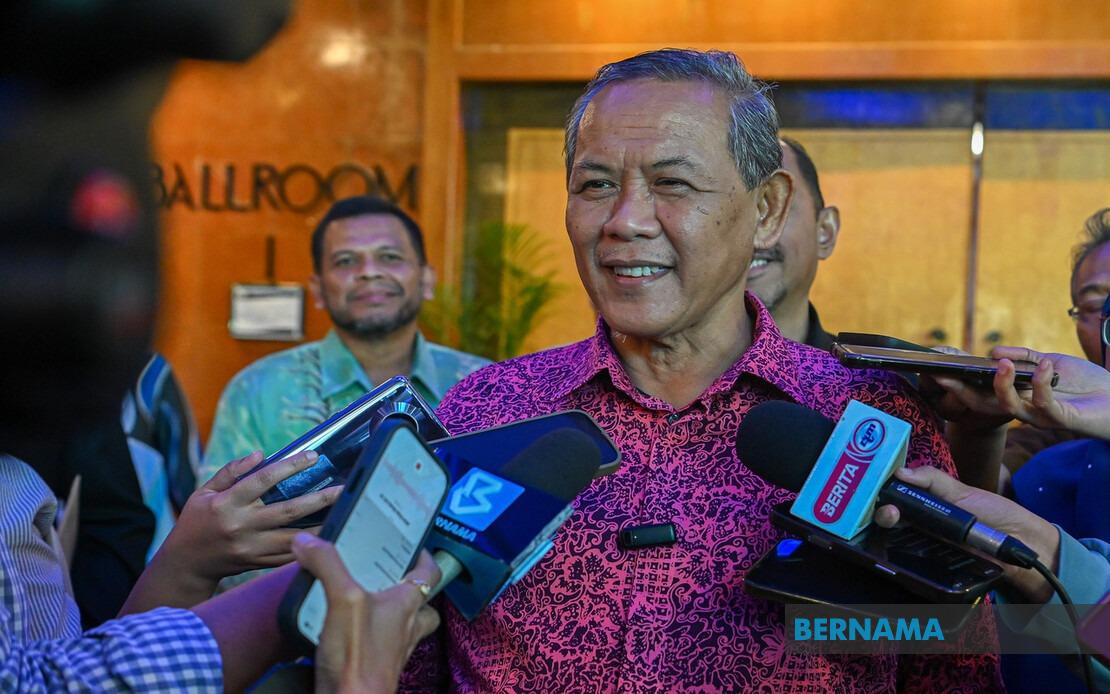
Negeri Sembilan PKR chairman Datuk Seri Aminuddin Harun confirmed that the coalition has finalised its complete candidate list and submitted all necessary documentation to electoral authorities. The selection process, which involved consultation and deliberation among coalition partners, reflects the complex negotiations required to allocate seats fairly among the three constituent parties. Aminuddin's confirmation suggests that internal discussions have concluded without major friction, a positive signal for coalition unity during the campaign period ahead of what will be a closely watched electoral contest.
The coalition's seat distribution reflects a carefully negotiated arrangement among its three components. PKR, as the largest party within the partnership and the political vehicle of Prime Minister Anwar, will field 16 candidates across the 36 available state seats. The Democratic Action Party (DAP), which brings significant urban electoral strength and Chinese-community support, will contest 11 seats, while the National Amanah Integrity Party (Amanah) rounds out the coalition by putting forward candidates in the remaining nine state constituencies. This allocation demonstrates how the coalition continues to balance the interests and electoral capabilities of its partners while maintaining cohesion.
When questioned directly about speculation surrounding his own political future, particularly regarding whether he would seek the Linggi state seat, Aminuddin maintained strategic silence. As the incumbent assemblyman for Sikamat and the incumbent Menteri Besar, his personal electoral plans carry significance for both state and federal political calculations. His refusal to confirm or deny candidacy, coupled with his counsel that all observers should await the official announcement, suggests that some candidate decisions may remain tactical in nature or subject to last-minute adjustments. Such reticence is not uncommon when senior political figures play deliberate roles in maintaining suspense and controlling the narrative around major political announcements.
The Negeri Sembilan state election operates within a defined electoral timeline established by the Election Commission. Nomination day has been set for July 18, giving candidates just four days after the formal announcement to complete their registration procedures. Early voting is scheduled for July 28, and the main polling day is set for August 1. This compressed timeline means that the coalition's campaign machinery must shift into high gear immediately following the candidate announcement, leaving limited window for adjustment or contingency planning should any unexpected developments emerge.
Aminuddin's remarks about campaign priorities underscore the coalition's strategic focus. He emphasised that with the election approaching rapidly, both candidates and party machinery should concentrate their efforts on ground-level campaigning designed to secure voter support. This messaging reflects recognition that the Negeri Sembilan contest carries implications beyond the state itself, potentially affecting perceptions of Pakatan Harapan's electoral strength and stability. The state's political composition also matters for federal-level coalition management, making victory a priority that extends beyond provincial concerns.
The announcement ceremony itself carries symbolic weight in Malaysian political practice. By having Prime Minister Anwar personally unveil the candidates in a public event, rather than issuing a simple press statement, Pakatan Harapan signals its commitment to the Negeri Sembilan contest and demonstrates active leadership engagement. The choice of Dataran Melang in Kuala Pilah as the venue places the announcement geographically within the state, helping to build momentum and showing respect for local political structures and communities. Such ceremonial choices often reflect broader strategic communications designed to energise party machinery and signal confidence to voters.
For Malaysian political observers, the Negeri Sembilan election represents an important test of Pakatan Harapan's capacity to maintain electoral appeal following its return to federal power in 2022. The state currently serves as a coalition stronghold, making retention of control a baseline expectation among supporters and analysts. Any significant losses would raise questions about coalition cohesion or waning voter enthusiasm, while comfortable victories would reinforce perceptions of stability and electoral competitiveness as Malaysia heads toward the next federal general election cycle.
The coalition's campaign strategy in Negeri Sembilan will likely emphasise developmental achievements, economic management, and governance credentials. As an industrial and relatively prosperous state with substantial Kuala Lumpur commuter populations, Negeri Sembilan voters tend to prioritise bread-and-butter issues including employment, cost of living, and infrastructure development. The coalition's ability to articulate achievements on these fronts while addressing opposition criticism will significantly influence the contest's outcome. Aminuddin's recent announcement of Special Grants totalling RM342,000 to 342 Rukun Tetangga units exemplifies how coalition representatives use pre-campaign period to distribute benefits and build goodwill, a tactic designed to reinforce grassroots support networks.
The opposition, meanwhile, will need to capitalise on any vulnerabilities or campaign missteps by the coalition. Barisan Nasional and Perikatan Nasional have been preparing their own strategies and candidate selections, setting the stage for competitive three-cornered contests in numerous constituencies. The specific candidate choices made by Pakatan Harapan may therefore trigger corresponding adjustments in opposition positioning and messaging as parties seek to exploit any perceived weaknesses in the coalition's slate.

