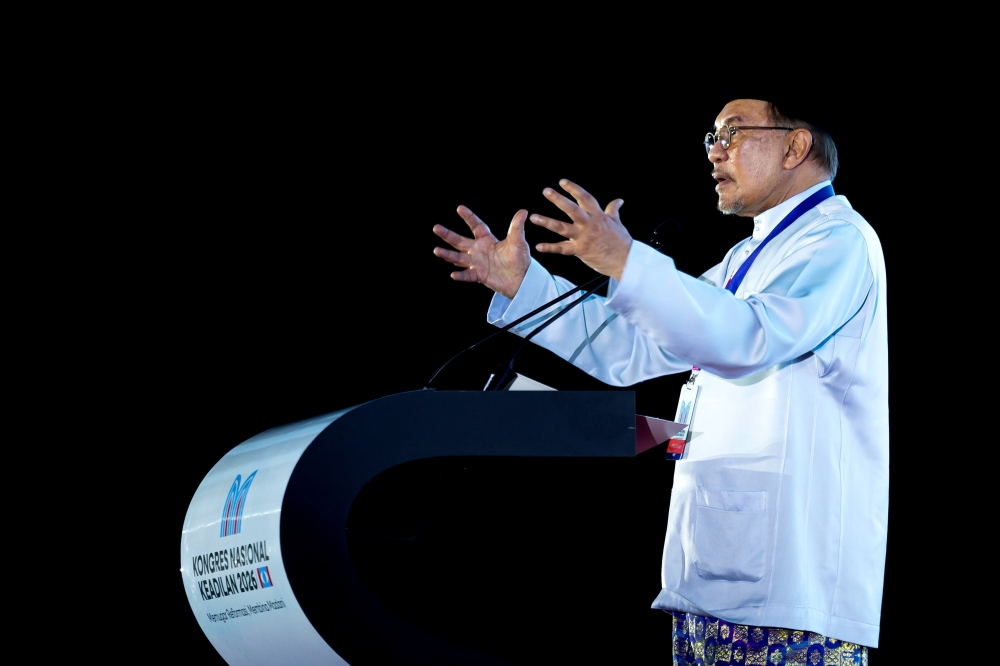
Prime Minister Datuk Seri Anwar Ibrahim has telegraphed the arrival of significant policy adjustments in the coming weeks, framing them as essential measures that will precede the government's presentation of Budget 2027. Speaking in Melaka, the premier indicated that the first wave of these changes would be formally announced on Monday, setting the stage for what officials are describing as a comprehensive policy refresh aimed at addressing pressing economic and administrative challenges facing the nation.
The timing of Anwar's announcement coincides with a critical juncture in Malaysia's fiscal planning cycle. Budget 2027, the flagship financial blueprint for the next year, represents an opportunity for the government to embed its policy priorities into concrete spending and revenue measures. By signalling forthcoming reforms beforehand, the administration appears to be preparing the ground for a comprehensive reorientation of government priorities that will be reflected in the budget documentation itself. This sequencing suggests that the policy changes are not ad-hoc responses but rather part of a deliberate strategic repositioning.
While the Prime Minister did not elaborate extensively on the specific nature of these pending reforms, his characterisation of them as "urgent" carries weight in the context of Malaysia's current economic landscape. The nation faces a complex tapestry of fiscal pressures, including managing public debt, maintaining adequate revenue streams, and addressing inflationary pressures that have affected household incomes and business operations across the economy. The fact that Anwar chose to highlight the urgency factor suggests that at least some of the upcoming measures are designed to respond to immediate concerns rather than representing purely long-term structural changes.
The announcement also reflects the government's apparent desire to maintain transparency and manage expectations before Budget 2027 is formally tabled. By pre-announcing policy changes, the administration gives stakeholders—including the business community, civil society, and the public—time to understand and prepare for the shifts ahead. This approach contrasts with sudden policy reversals that can create market uncertainty and public confusion. For Malaysian businesses and investors, advance notice of government direction provides valuable planning horizons, though the specifics remain eagerly awaited.
Monday's scheduled announcements will likely draw significant attention from multiple constituencies. Economists and think tanks will analyse the measures through the lens of macroeconomic management and sustainability. Business associations will assess implications for their members across various sectors. Labour groups and civil society organisations will evaluate how the changes affect employment, social spending, and public welfare programmes. The media attention surrounding these initial announcements will set the tone for public reception and parliamentary debate when the full Budget 2027 is subsequently presented.
The Cabinet appears to have been engaged in substantial preparatory work ahead of these announcements, suggesting that the policy package has undergone rigorous internal vetting. Such groundwork typically involves inter-ministerial coordination, consultation with relevant agencies, and preliminary impact assessments. The fact that Anwar felt confident enough to signal the changes publicly indicates a reasonable degree of consensus within the government on the general direction, though individual ministers may have varying perspectives on specific measures.
For Southeast Asian observers, Malaysia's policy adjustments carry regional significance. As the region's third-largest economy and a key player in regional trade, investment flows, and institutional arrangements, shifts in Malaysian economic policy can create ripple effects throughout Southeast Asia. Neighbouring countries monitor Malaysian fiscal and structural reforms closely to understand regional economic trends and to adjust their own policies accordingly. Budget 2027 and its preceding policy announcements will therefore be watched not only by Malaysian stakeholders but also by regional analysts and policymakers across Asean.
The upcoming reforms also occur against the backdrop of Malaysia's existing policy commitments and international obligations. The country remains engaged in various regional trade agreements, investment frameworks, and development initiatives that constrain and shape domestic policy space. The government must balance its reform ambitions with these external commitments, a reality that often proves more complex than domestic political considerations alone would suggest. How the administration navigates these competing demands will be evident as the specific details of Monday's announcements emerge.
Public reception to the reforms will likely depend significantly on how they affect ordinary Malaysians' cost of living and economic opportunities. In a political environment where electoral support hinges partly on economic performance and household financial wellbeing, the government faces pressure to ensure that its reforms deliver tangible benefits to the population. Announcements focusing on efficiency gains, debt reduction, or growth-oriented measures may be viewed differently than those emphasising subsidy rationalisation or increased user fees, depending on how communications are framed and how benefits are distributed across income groups.
The sequencing of announcements—with initial reforms coming before the full Budget 2027—also allows the government to test public and parliamentary reaction before the comprehensive fiscal package is presented. If certain proposals draw significant criticism, there may be scope for modifications before they are formally incorporated into budget legislation. This iterative approach to policymaking reflects political realism about the challenges of steering major reforms through a diverse parliamentary landscape and a plural society with competing interests and priorities.

