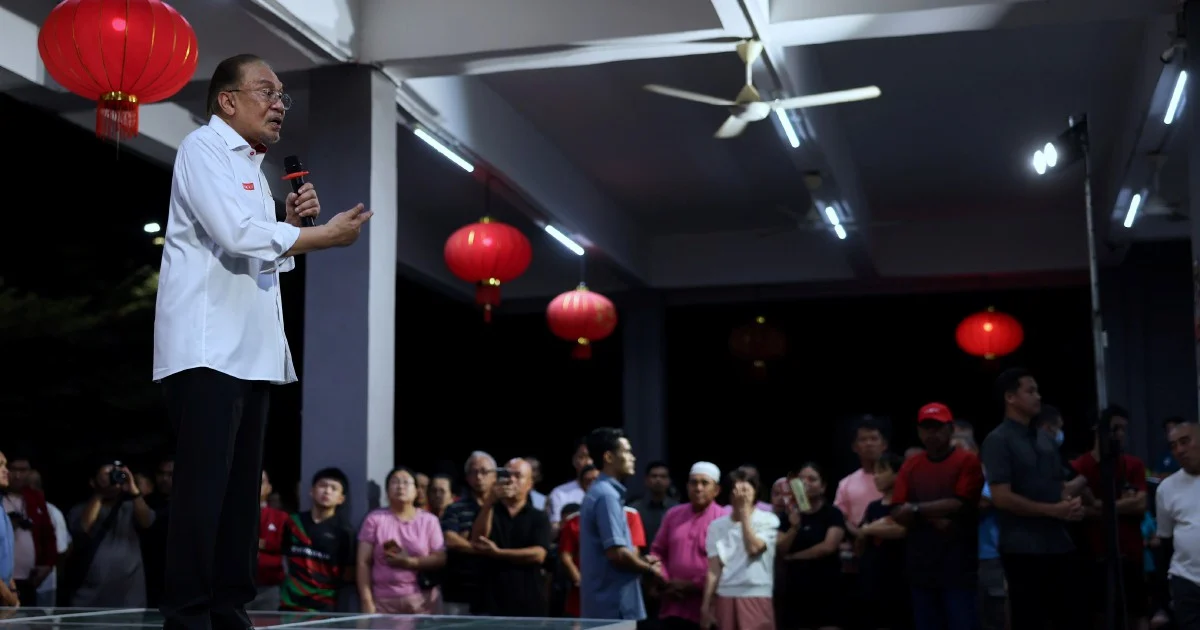
Prime Minister Datuk Seri Anwar Ibrahim has committed to placing Malaysia's embattled durian sector at the forefront of high-level diplomatic discussions, pledging to address the sharp decline in prices with Chinese Premier Li Qiang when he travels to Beijing next month. The initiative reflects growing concern among policymakers over the impact of a nationwide surplus on producers, whose incomes have been squeezed by a dramatic collapse in valuations across Southeast Asia's largest durian exporter.
The Malaysian durian industry has faced unprecedented pressure in recent months as global supplies have surged, pushing prices to levels not seen in years. Growers across major producing states have reported significant losses as the fruit that commands premium prices globally trades at fractions of its previous value. The domestic glut has been compounded by increased competition from Thailand and other regional producers, creating a challenging environment for smallholder farmers who depend heavily on durian cultivation for their livelihoods.
Anwar's commitment to raise the matter with Li Qiang signals the importance Kuala Lumpur places on bilateral trade relations with China, which remains Malaysia's largest export market for durian. The timing of the planned discussion reflects the urgency felt across the agricultural sector, where calls for government intervention have intensified as harvests continue to swell. By positioning the issue during an official visit rather than routine trade channels, the Prime Minister underscores the diplomatic weight Malaysia is attaching to finding solutions.
China's role in the global durian market cannot be overstated. The country has emerged as the dominant buyer of Malaysian durian over the past decade, with Chinese consumers and retailers driving demand that transformed the fruit from a regional delicacy into an international commodity. The sharp expansion of logistics networks connecting Malaysian farms directly to Chinese supermarket chains and online platforms has made the bilateral relationship central to pricing dynamics. Any disruption or contraction in Chinese demand reverberates immediately through Malaysian plantation communities.
The strategy of engaging at the premier level reflects Malaysia's understanding that solutions to the current crisis require more than market mechanisms alone. Government-to-government discussions can address tariff structures, import regulations, and trade facilitation measures that might enhance Malaysia's competitive position relative to other suppliers. Such engagements also provide opportunities to explore whether Chinese importers might expand purchases through preferential arrangements or special agreements that could absorb current excess supplies.
Beyond immediate price relief, Anwar's initiative points toward longer-term efforts to stabilize the durian sector and diversify export strategies. Malaysia's reliance on a single market, while economically advantageous in boom times, has exposed the industry to vulnerability when demand fluctuates. Discussions with Chinese leadership could explore mechanisms for smoother market adjustments and more predictable trading conditions that might insulate Malaysian growers from extreme volatility.
The domestic dimensions of falling durian prices extend far beyond the farms themselves. Rural communities depending on durian cultivation face reduced purchasing power that affects local economies in major producing regions. The sector employs thousands directly and supports downstream industries involved in processing, export logistics, and trading. A sustained downturn threatens employment and economic stability in areas where agricultural production represents a significant share of economic activity.
Government officials have previously indicated that various support measures are being considered, from stabilization schemes to marketing initiatives. Diplomatic outreach to major trading partners forms part of a broader strategy to address the crisis through multiple channels. However, the success of such efforts ultimately depends on whether demand-side interventions in key markets can genuinely absorb Malaysian supplies at economically viable prices for producers.
The Prime Minister's commitment also carries implications for how Malaysia positions itself within broader regional agricultural trade dynamics. As durian has become increasingly significant to Malaysia's agricultural exports and rural development strategies, the sector's health has become intertwined with national economic interests. Raising the issue with China's premier signals that Malaysia views durian sector stability as a matter worthy of high-level diplomatic attention, establishing it as a priority within bilateral relations.
For Malaysian consumers and observers of the agricultural sector, the approaching Beijing visit represents a concrete opportunity to assess whether diplomatic channels can yield tangible relief for struggling growers. The coming weeks will determine whether Anwar's engagement produces commitments from the Chinese side that might strengthen demand or create pathways for increased Malaysian durian exports at sustainable price levels. The success or failure of these high-level discussions will likely influence future government approaches to managing agricultural trade relationships and responding to commodity price crises.

