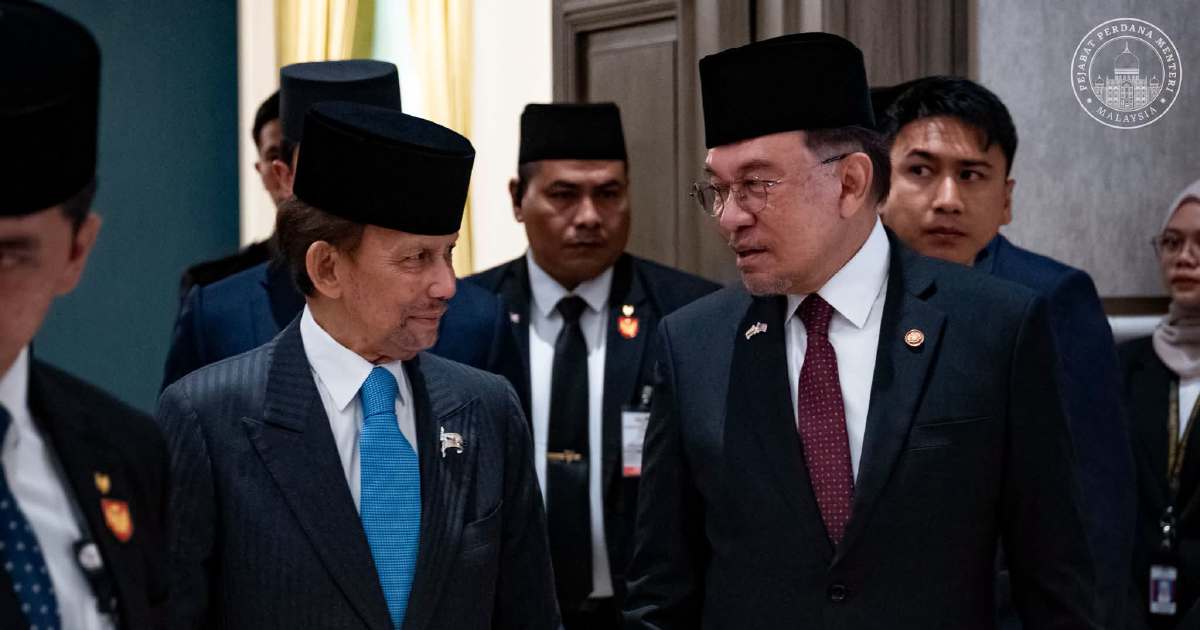
Prime Minister Datuk Seri Anwar Ibrahim is set to visit Brunei Darussalam next week for high-level talks with Sultan Hassanal Bolkiah, continuing a long-standing tradition of bilateral engagement between the two Southeast Asian neighbours. The 27th Annual Leaders' Consultation will take place in Bandar Seri Begawan and represents a key moment for both governments to review their relationship and chart the course of cooperation across multiple policy domains.
The annual leaders' consultation framework has served as the cornerstone of Malaysia-Brunei relations for nearly three decades, providing a structured platform for top-level discussions on matters ranging from trade and economic cooperation to security, cultural exchange, and regional integration. These meetings typically address pressing issues affecting both nations whilst reinforcing the bonds of friendship and understanding that have historically characterised ties between Kuala Lumpur and the sultanate.
Brunei, as one of Malaysia's closest neighbours in the region, holds particular strategic importance given its position within ASEAN and its role in maritime Southeast Asia. The sultanate's wealth and stability have made it a key player in regional diplomacy, whilst its membership in multilateral organisations alongside Malaysia creates numerous avenues for sustained cooperation. The upcoming consultation will likely touch on matters of mutual concern within the ASEAN framework and broader Indo-Pacific dynamics.
Economic ties between the two nations encompass energy, investment, and trade relationships that benefit both sides. Brunei, a hydrocarbon-rich nation, maintains important connections with Malaysia across multiple sectors, and bilateral consultations at the highest level often yield agreements that facilitate commerce and investment flows. The upcoming meeting may see discussions on deepening commercial partnerships and exploring new opportunities in emerging sectors such as green technology and digital innovation.
Security cooperation constitutes another vital dimension of the Malaysia-Brunei relationship. Both nations share concerns about maritime safety, transnational crime, and regional stability. The consultation forum provides an opportunity to align strategies on law enforcement cooperation, intelligence sharing, and coordinated responses to transnational challenges that threaten peace and prosperity in the region. Discussions on border management and cross-border facilitation typically feature prominently in such bilateral engagements.
Cultural and people-to-people exchanges have long formed the human foundation of Malaysia-Brunei relations. The two nations share Islamic heritage, similar legal traditions, and considerable historical connections that create natural affinities among their populations. Educational partnerships, sports diplomacy, and cultural programmes serve to strengthen these bonds, and leaders' consultations often include strategic initiatives aimed at deepening mutual understanding and fostering greater interaction among citizens.
Within the ASEAN context, the Malaysia-Brunei relationship carries broader significance. Both nations are founding members of ASEAN and have been instrumental in shaping the regional organisation's policies and direction. The consultation likely includes discussions on ASEAN unity, the implementation of the ASEAN Community framework, and coordinated responses to regional challenges. As ASEAN faces evolving geopolitical pressures and questions about its centrality in managing regional issues, bilateral dialogue between senior leaders remains essential.
The visit underscores Malaysia's commitment to maintaining robust engagement with all its neighbours, a cornerstone of the national foreign policy doctrine. Anwar Ibrahim's administration has emphasised the importance of regional cooperation and multilateral diplomacy as means of addressing shared challenges and creating an environment conducive to prosperity and peace. The Brunei trip represents continuity in this approach whilst demonstrating active engagement at the leadership level.
For Malaysian businesses and investors, such high-level consultations often translate into improved conditions for cross-border economic activity. Enhanced diplomatic ties typically reduce transaction costs, improve regulatory clarity, and create confidence in bilateral commercial frameworks. The consultation may result in joint statements or agreements that facilitate easier movement of goods, services, and people between the two nations.
The timing of the consultation also reflects Malaysia's strategic prioritisation of regional engagement. With global economic uncertainties and geopolitical tensions affecting Southeast Asia, strengthened bilateral relationships serve as stabilising forces. Regular dialogue between Malaysia and Brunei helps ensure that both nations maintain aligned positions on regional issues and can speak with a unified voice when addressing matters of collective concern within ASEAN and beyond.
Looking ahead, the 27th Annual Leaders' Consultation represents more than a ceremonial gathering; it is a working session where substantive issues are addressed and future cooperation is negotiated. The outcomes of such meetings often shape the trajectory of bilateral relations for the ensuing year and establish priorities for government agencies and private sector actors seeking to deepen connections across the border.

