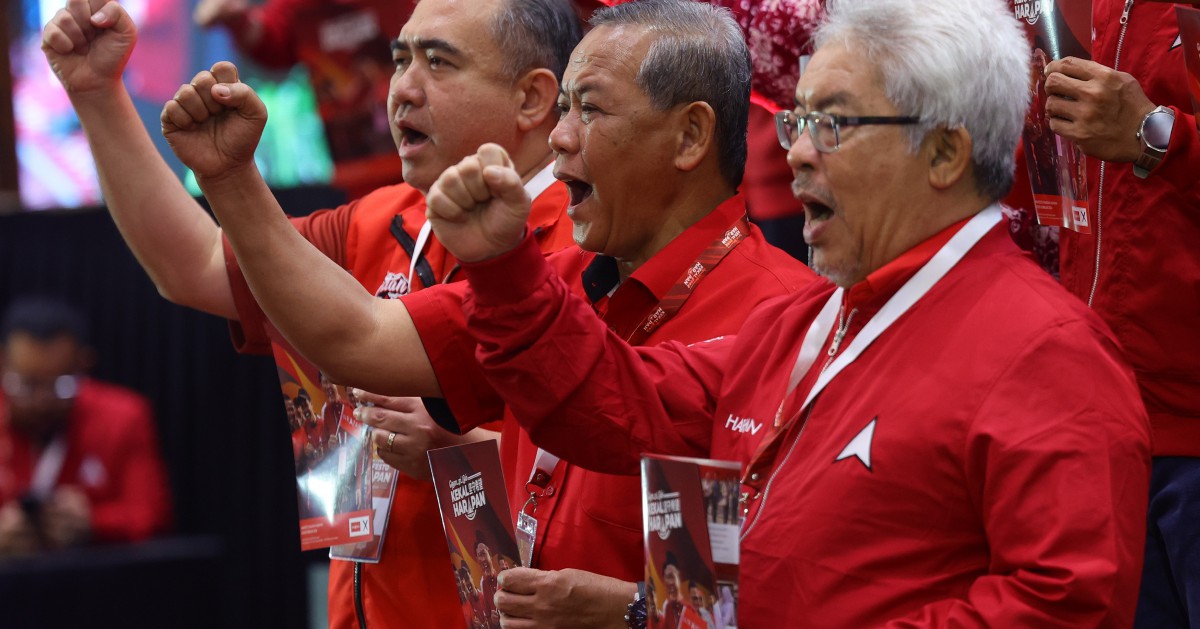
Prime Minister and Pakatan Harapan chairman Datuk Seri Anwar Ibrahim is poised to join the opposition coalition's ground campaign in Negri Sembilan this Wednesday, marking a significant personal intervention in the state-level contest. His participation underscores PH's determination to mobilise its organisational machinery and leadership presence in the electoral battle, with the coalition positioning itself to contest seats across the peninsular state.
The timing of Anwar's campaign visit reflects the strategic importance PH attaches to the Negri Sembilan election, a state where the coalition has previously held influence and where a strong performance could reshape the political landscape in central Malaysia. By deploying the prime ministerial platform to stump for candidates, Pakatan Harapan signals confidence in its electoral prospects whilst simultaneously reinforcing party unity ahead of the polls. Such high-profile intervention from national leadership traditionally energises grassroots organisations and provides media amplification for campaign messaging.
Negri Sembilan has historically served as a barometer for peninsular political sentiment, with election outcomes there often presaging broader regional shifts. The presence of the sitting prime minister on the campaign trail demonstrates that PH leadership considers the state contest consequential rather than peripheral. This reflects evolving political calculations within the coalition, where maintaining and expanding state-level representation remains crucial for sustaining federal coalition stability and demonstrating ongoing electoral viability.
The campaign push comes as parties across Malaysia's political spectrum intensify efforts to secure grassroots support and consolidate voter bases ahead of anticipated electoral contests. For Pakatan Harapan, maintaining momentum through such visible leadership presence helps counter perceptions of organisational fatigue or declining political enthusiasm. Anwar's direct involvement also serves to personalise the coalition's message and connect national governance narratives to state-level concerns affecting Negri Sembilan residents.
Malaysia's concurrent state and federal electoral cycles create opportunities for parties to leverage momentum across different political contests. When senior national figures like Anwar campaign actively at the state level, they bring national policy platforms and federal governance records into local election discourse. This allows voters to evaluate state-level candidates within broader frameworks of national leadership capability and direction, rather than viewing elections purely through parochial lenses.
The Negri Sembilan election context also reflects wider patterns of political competition in Malaysia's urban and semi-urban constituencies, where swing voters and undecided populations increasingly influence outcomes. By deploying its chairman and prime minister, Pakatan Harapan targets constituencies where mobilisation efforts can tip close contests toward the coalition. Such calculations require careful resource allocation, suggesting PH strategists believe Negri Sembilan presents realistic opportunities for seat gains or consolidation.
For the coalition's candidates contesting in the state, Anwar's campaign appearance provides valuable visibility and linkage to federal authority. Local politicians benefit from association with national leadership, particularly when they can demonstrate capacity to deliver development projects or secure federal resources for their constituencies. The psychology of incumbency and federal power proximity often influences voter behaviour in state elections, making prime ministerial appearances strategically valuable beyond symbolic value.
Regional observers note that Southeast Asian coalition governments frequently face sustainability challenges when state-level contests diverge from federal strength. By campaigning actively in Negri Sembilan, Pakatan Harapan works to prevent such fracturing, maintaining political cohesion across administrative levels. The coalition's success in state elections directly impacts its capacity to resist erosion of federal political support and demonstrates to potential coalition partners that participation in PH structures yields electoral dividends.
The Wednesday campaign outing also occurs within Malaysia's broader political cycle, where leadership transitions and generational shifts within major parties create uncertainties about future power distribution. For Anwar specifically, maintaining visible engagement in coalition campaigns reinforces his authority as party chairman and emphasises his centrality to PH's political project. Such demonstrations of leadership dynamism become particularly important during periods when rival coalitions or personalities challenge his preeminence within coalition structures.
Negri Sembilan's economy, centred on manufacturing, agriculture, and services, means state government policies directly affect employment and business conditions for hundreds of thousands of residents. Election campaigns there increasingly incorporate discussion of economic diversification, industrial policy, and rural development alongside traditional concerns around education and healthcare. By campaigning personally, Anwar positions himself to speak directly to these economic preoccupations and present federal government initiatives as complementing state-level objectives.
The coalition's campaign strategy in Negri Sembilan likely reflects sophisticated demographic analysis identifying specific voter segments requiring targeted messaging. Anwar's appearance targets particular constituencies or voter categories where prime ministerial intervention might shift opinion or boost turnout among coalition supporters. Campaign strategists calculate precisely which locations and audiences benefit most from top-tier leadership presence versus grassroots organiser effort.
For Malaysian political analysts, Anwar's Negri Sembilan campaign visit serves as barometer of coalition health and internal cohesion. The enthusiasm with which party machinery mobilises around prime ministerial campaign appearances, and the media coverage generated by such events, provide insights into public engagement levels and competitive intensity. Close observation of such campaign dynamics helps observers gauge whether Pakatan Harapan maintains genuine organisational vitality or faces underlying structural challenges despite federal government control.

