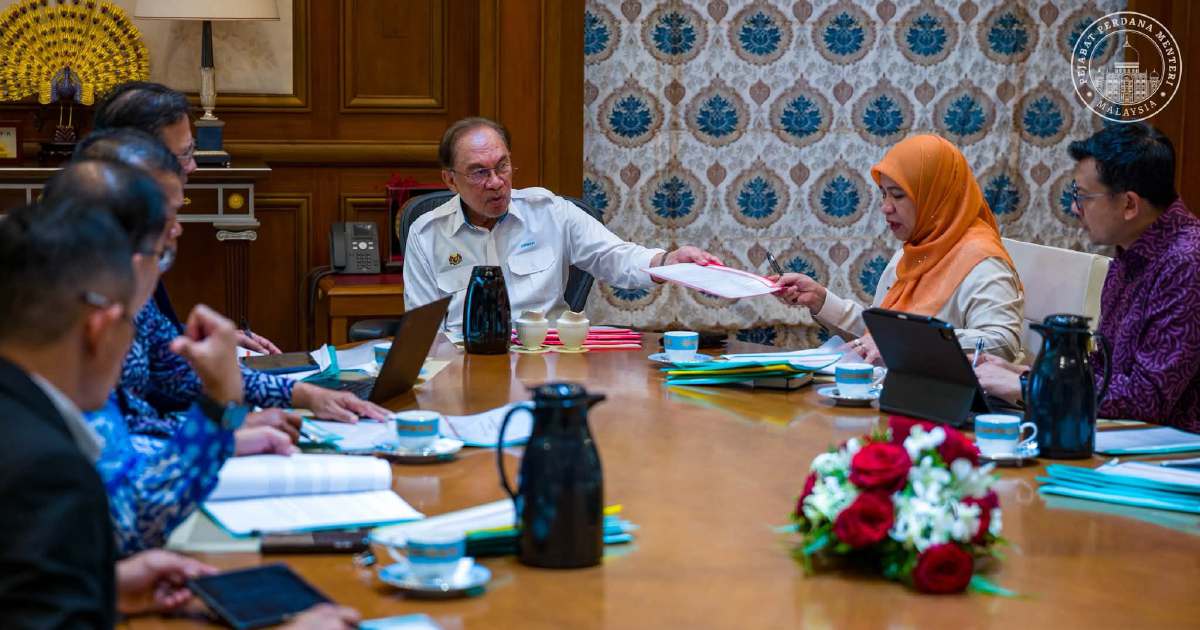
Prime Minister Datuk Seri Anwar Ibrahim has signalled the government's determination to tackle decades-old grievances among Federal Land Development Authority (Felda) settlers, moving beyond promises to demand concrete action on land ownership and housing provision. Speaking in Kuala Lumpur, the PM stressed that any resolution must be both equitable and expeditious, acknowledging that the humanitarian and economic dimensions of the dispute extend far beyond the settlers themselves to affect entire rural communities and Malaysia's broader social cohesion.
The Felda land settlement scheme, launched in 1957 to resettle rural Malays and develop agricultural land, has long been a cornerstone of the nation's development narrative. However, the organisation has faced mounting criticism from residents over unclear land tenure, restrictive conditions on land transactions, and the absence of adequate housing for younger generations. Many settlers have invested decades improving their plots, yet remain uncertain about inheritance rights and their ability to leverage their land for mortgages or other commercial purposes. This institutional ambiguity has created a persistent source of frustration, particularly as the original generation of settlers ages and questions of succession become urgent.
The second-generation housing crisis represents one of Felda's most visible failures. Offspring of original settlers often lack affordable options to build homes within or near the schemes, forcing migration to urban areas and weakening the agricultural workforce. Those who remain face severe space constraints or dependency on informal arrangements with ageing parents, delaying marriage and family formation. This demographic challenge threatens the long-term viability of Felda settlements as cohesive communities and has become a flash point for political grievance, with settlers viewing the issue as a betrayal of the scheme's founding promise to secure generational prosperity.
Anwar's public commitment carries particular weight given the historical importance of Felda to Malay-Muslim electoral calculations. The coalition government faces pressure from both traditional constituencies who remember the scheme's heyday and younger voters frustrated by unmet promises. By invoking fairness and speed, the PM appears to signal a break from the bureaucratic inertia that has allowed these disputes to fester for years, potentially positioning his administration as responsive to rural concerns at a time when such communities often feel left behind by rapid urbanisation and economic transformation.
The land ownership question strikes at deeper issues of asset control and economic empowerment. Many Felda residents feel that restrictions on land sales or transfers have prevented them from building wealth comparable to non-Felda rural landowners. These controls were originally imposed to preserve the integrity of the scheme and prevent land fragmentation, but they have functioned as a de facto cap on opportunities for settlers to monetise their most valuable asset or diversify their income sources. Clarifying ownership rights could unlock billions in latent economic value while shifting risk and responsibility from Felda to individuals, a transition that carries both promise and peril.
The political economy of Felda reform is delicate. Transparency and individualisation of land rights could benefit enterprising settlers and promote efficient land use, yet could also expose vulnerable settlers to predatory practices, market volatility, and the prospect of losing holdings to creditors. Any comprehensive resolution must therefore balance liberalisation with safeguards—a challenge that has defeated previous administrations and remains technically and politically complex. The PM's framing suggests awareness of this tension, though the statement offers few details on how fairness and speed are to be operationalised without papering over genuine conflicts of interest.
Regional context underscores the urgency. Similar land and agricultural settlement schemes across Southeast Asia—in Indonesia, Thailand, and the Philippines—face comparable pressures as populations age, market economies mature, and younger generations seek livelihood options beyond subsistence farming. Malaysia's Felda experience is being watched as a potential model for reform, whether as a cautionary tale or a demonstration of effective, inclusive governance. How the government navigates this challenge may influence policy-making across the region and affect Malaysia's credibility as a developing nation capable of delivering on foundational social commitments.
Implementing swift resolution while maintaining fairness will require robust institutional reform, not mere administrative tinkering. This likely means revising outdated Felda regulations, investing in surveying and land titling systems to establish clear ownership records, and designing housing schemes that are genuinely affordable and accessible to second-generation families. It may also require new sources of financing, whether through government subsidy, innovative public-private partnerships, or mechanisms that allow settlers to leverage their land equity. Each option carries fiscal and political implications that extend beyond Felda itself, touching on broader debates about subsidy, equality, and the proper role of state institutions.
The timeline for action remains undefined, and bureaucratic momentum at Felda tends to be glacial. Settlers have heard promises before; credibility will hinge on demonstrable progress within months, not years. The PM's intervention signals that the issue has reached the cabinet level, potentially accelerating decision-making, but structural obstacles—including resistance from Felda management, disagreement among stakeholders on fairness metrics, and complexity of harmonising thousands of individual cases—remain formidable. Whether political commitment translates into effective delivery will be a crucial test of the current administration's ability to reform institutional obstacles to rural development and settler prosperity.

