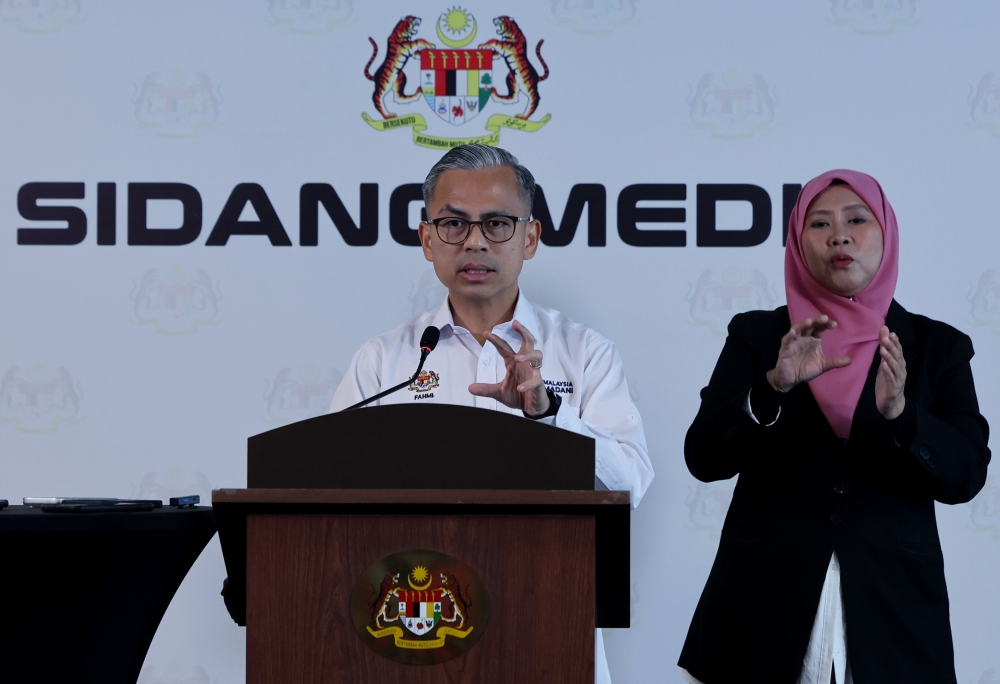
Prime Minister Datuk Seri Anwar Ibrahim has issued a directive to the Ministry of Human Resources to accelerate the processing of approximately 15,000 outstanding foreign worker applications, according to Communications Minister Fahmi Fadzil. The instruction underscores the government's determination to resolve mounting labour constraints that have begun impacting multiple industries across the nation.
The scale of the backlog points to systemic challenges within Malaysia's foreign worker recruitment machinery. With over 15,000 applications awaiting clearance, bottlenecks in verification, documentation, and approval processes have created significant delays for employers seeking to fill critical vacancies. Such congestion in the pipeline threatens to exacerbate labour shortages that various sectors—from manufacturing and construction to hospitality and agriculture—have reported with increasing urgency.
The Prime Minister's intervention signals that the administration views rapid resolution of this bottleneck as a priority matter worthy of direct executive attention. Rather than allowing the applications to proceed through standard bureaucratic channels at their current pace, the instruction to expedite suggests a recognition that economic productivity depends on timely fulfilment of legitimate labour requirements. This reflects broader government acknowledgment that Malaysia's competitiveness in attracting investment and sustaining growth hinges partly on workforce availability.
For Malaysian employers, particularly small and medium enterprises operating on thin margins, delays in foreign worker approvals translate directly into operational constraints and lost productivity. Industries dependent on migrant labour have expressed frustration with processing timeframes that can stretch months, forcing companies to either reduce operations or explore alternative jurisdictions with faster worker recruitment pathways. The directive addresses these grievances by committing to administrative action.
The timing of the instruction also reflects economic realities facing Malaysia. As regional competition for investment intensifies and global supply chains remain volatile, companies evaluate countries not only on tax incentives and infrastructure but also on workforce availability and recruitment efficiency. Processing delays for foreign workers therefore carry indirect costs beyond the immediate impact on individual employers, potentially influencing broader foreign direct investment decisions.
However, the emphasis on expedited processing must be balanced against legitimate regulatory concerns. Malaysia maintains foreign worker policies designed to protect domestic employment, prevent labour exploitation, and ensure national security. Accelerating approvals requires maintaining rigorous standards for verification and vetting rather than simply rubber-stamping applications to clear the backlog. The challenge for the Human Resources Ministry lies in streamlining processes without compromising safeguards that protect both Malaysian workers and migrant employees themselves.
The 15,000-application backlog likely stems from multiple sources. Post-pandemic processing constraints, staffing limitations within the ministry, increased application volumes as economic activity rebounded, and technical challenges in digitising records and verification procedures all contribute to delays. Addressing the backlog comprehensively therefore requires not merely political pressure to move faster but potentially additional resources, modernised systems, and process redesign within the ministry itself.
For Malaysia's position within Southeast Asia, the foreign worker policy carries strategic implications. Thailand, Vietnam, and Indonesia have aggressively marketed their labour markets to multinational corporations, emphasising efficient worker recruitment and streamlined regulatory processes. Should Malaysia's approval systems remain sluggish, companies may increasingly source labour from competing nations, reducing Malaysia's attractiveness as an investment destination and fragmenting regional labour markets.
The directive also reflects the coalition government's broader approach to economic management, emphasising pragmatic problem-solving and direct intervention when bureaucratic processes impede economic objectives. Communications Minister Fahmi's public disclosure of the Prime Minister's instruction serves to signal the government's commitment to the business community and demonstrate responsiveness to private sector concerns about labour availability.
Looking forward, the effectiveness of this directive will depend on implementation. The Human Resources Ministry will need to mobilise additional staff, potentially accelerate digital transformation initiatives, and prioritise processing of the backlog while continuing to handle new applications. Clear timelines, resource allocation, and accountability mechanisms will be essential to ensure that the Prime Minister's instruction translates into measurable improvements rather than remaining a symbolic gesture.
The broader context suggests that Malaysia's government recognises foreign worker policy as integral to economic strategy rather than a purely administrative matter. As demographic pressures and skills mismatches persist in Malaysia's labour market, pragmatic reliance on foreign workers will likely remain necessary across multiple sectors. The challenge lies in developing a system that attracts and processes the required talent efficiently while maintaining robust protections for both Malaysian citizens and migrant workers themselves. The current expedited processing direction represents an initial step toward recalibrating this balance.

