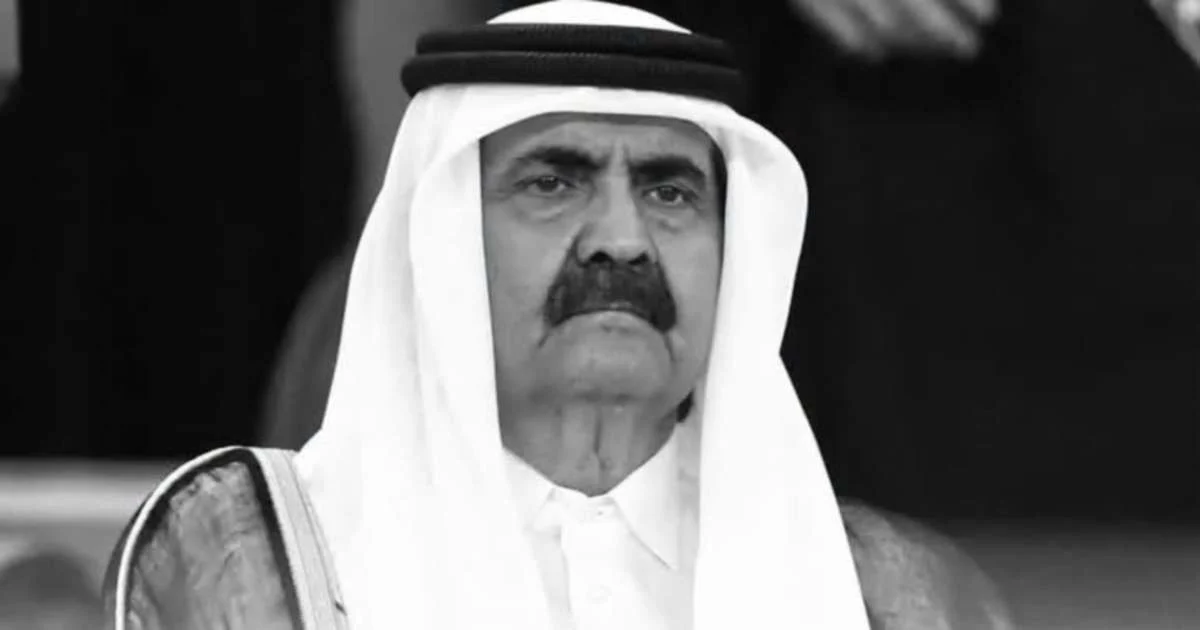
Prime Minister Datuk Seri Anwar Ibrahim has conveyed Malaysia's deepest condolences to the government and people of Qatar after the death of Sheikh Hamad bin Khalifa Al Thani, the nation's former leader, who passed away at 74 years old.
The demise of Sheikh Hamad marks the end of an era for the Gulf state, as he served as one of the most influential figures in Qatar's modern history. His leadership fundamentally transformed the small peninsula nation into a major regional and global power, establishing it as a key player in Middle Eastern affairs and a hub for international business and diplomacy.
Sheikh Hamad bin Khalifa Al Thani ruled Qatar for nearly three decades, during which he implemented sweeping modernisation programmes that reshaped the nation's economy, infrastructure, and international standing. His tenure witnessed extraordinary economic growth driven by natural gas wealth, positioning Qatar as one of the world's largest liquefied natural gas exporters and substantially elevating living standards across the country.
Malaysia's expression of sympathy reflects the diplomatic ties between the two nations. Qatar has maintained important bilateral relationships across Southeast Asia, and its former emir played a crucial role in strengthening such connections during his time in office. The Gulf state remains a significant trading partner for regional economies and a source of investment in various sectors throughout Asia.
Sheikh Hamad's legacy extends beyond Qatar's borders. He championed educational initiatives, particularly through the establishment of Education City, which attracted world-class universities and research institutions to Doha. These efforts positioned Qatar as a knowledge economy hub and demonstrated his vision for sustainable development beyond natural resources.
During his leadership, Qatar hosted the prestigious Al Jazeera network, which became an influential international media platform with significant reach across Asia, the Middle East, and globally. This expansion of Qatar's soft power influenced regional discourse and international conversations for decades.
The former emir also oversaw Qatar's successful bid to host the FIFA World Cup in 2022, a landmark moment that brought unprecedented global attention to the nation and sparked significant infrastructure development across Doha and other regions. This achievement represented a source of national pride and international recognition.
Sheikh Hamad stepped down in 2013, handing power to his son, Sheikh Tamim bin Hamad Al Thani, in a carefully orchestrated transition that established a succession framework for the nation's governance. This transfer of power was widely regarded as a significant moment in Gulf state politics, establishing a precedent for planned succession.
The passing of Sheikh Hamad comes at a time when Qatar continues to play an active role in regional diplomacy, particularly in mediating conflicts and strengthening ties with nations across Asia and the Middle East. His visionary leadership continues to influence the nation's strategic direction even after his retirement from formal political office.
Malaysia's condolences underscore the importance of maintaining strong bilateral relationships with Gulf states, particularly as Southeast Asian nations increasingly deepen economic and diplomatic engagement with the region. Qatar's continued investment in Southeast Asian markets and its role as a regional mediator make it a valued partner for nations like Malaysia.
The death of Sheikh Hamad represents a moment of reflection on his substantial contributions to transforming Qatar from a modest Gulf state into a globally recognised power with significant economic, cultural, and diplomatic influence. His vision and policies shaped not only Qatar's trajectory but also influenced broader regional developments across the Middle East and beyond.
As Qatar enters a new chapter following the former emir's passing, the nation continues to be guided by the institutional frameworks and strategic foundations he established. The bilateral relationship between Malaysia and Qatar is expected to remain stable, built on the foundations of mutual respect and shared interests in regional stability and economic cooperation.
Anwar's expression of condolences serves as Malaysia's formal acknowledgment of Qatar's loss and signals continuity in the diplomatic partnership between the two nations. Such gestures reinforce the bonds between Southeast Asian nations and their Gulf counterparts, ensuring ongoing cooperation in regional and international affairs.

