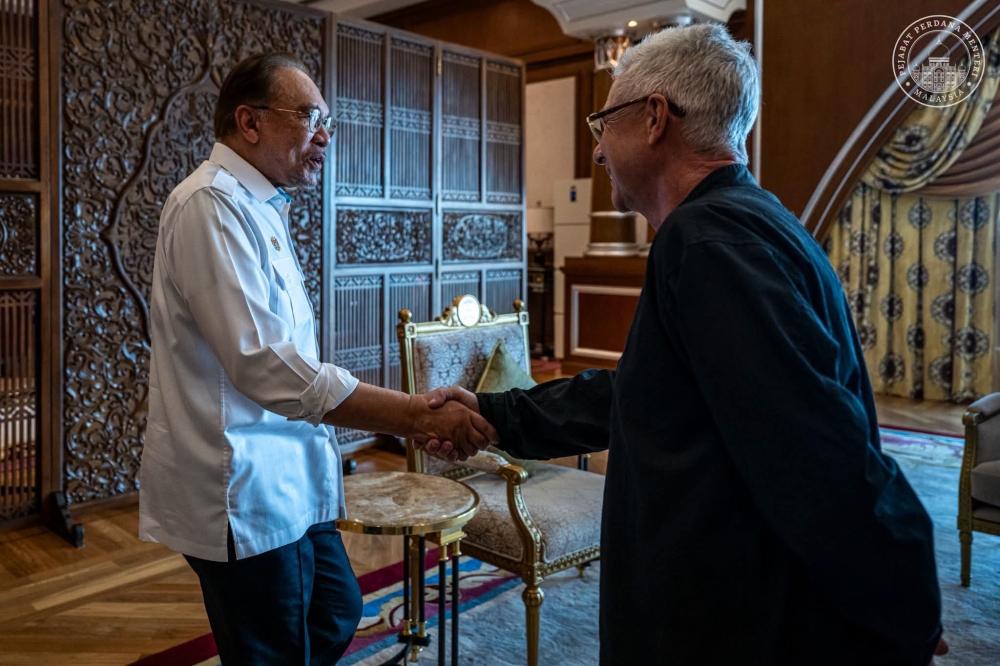
Prime Minister Datuk Seri Anwar Ibrahim has held talks with senior officials from Singapore's Grand Prix operation, signalling renewed momentum behind Malaysia's bid to restore Formula 1 racing to the Sepang International Circuit. The high-level meeting underscores the government's commitment to reviving the iconic motorsport event, which last took place in Malaysia in 2017 before the country's absence from the global racing calendar.
The discussions reflect a broader strategic interest among Southeast Asian nations to maintain and expand their footprint in Formula 1. Singapore's Marina Bay circuit has become one of the sport's flagship night races, attracting international attention and substantial economic returns. By engaging directly with Singapore's Grand Prix leadership, Malaysia's government is tapping into regional expertise and potentially exploring collaborative opportunities that could strengthen Sepang's candidacy for a return to the F1 calendar.
Sepang International Circuit, located approximately 40 kilometres south of Kuala Lumpur, was a regular fixture on the Formula 1 calendar for two decades, hosting memorable races that showcased Malaysian talent and engineering capabilities. The venue's closure to F1 racing left a significant gap not only in the sporting calendar but also in the economic ecosystem that depended on the annual event. The circuit itself continues to function as a premier motorsports facility, but restoration to Formula 1 status represents a major commercial and prestige objective for the country.
Formula 1's current expansion strategy has created both opportunities and competition among potential host nations. The sport continues to add new races, particularly in growth markets, while simultaneously rationalising existing venues. This dynamic landscape means that securing a return slot requires not merely hosting capability but also competitive positioning relative to other aspiring locations. Malaysia's geographic position within Southeast Asia, combined with Sepang's existing infrastructure, places it in a relatively favourable position compared to nations without established circuit facilities.
The economic implications of F1 racing extend well beyond the racing weekend itself. Hosting the Grand Prix generates substantial revenue through ticket sales, hospitality, broadcasting rights, and associated tourism. The event attracts international media coverage worth millions in advertising value and draws high-net-worth individuals and corporate buyers from across the region and beyond. For Malaysia, the return of Formula 1 would serve as a platform for international business networking and investment opportunities.
From a technical perspective, Sepang International Circuit meets modern Formula 1 standards, though potential upgrades and maintenance enhancements may be necessary to align with current safety regulations and spectator amenities. The circuit's design, featuring a distinctive combination of high-speed straights and technical corners, has historically produced competitive races and provided opportunities for overtaking, factors that F1 executives consider when evaluating venues.
The engagement with Singapore's Grand Prix officials also carries diplomatic significance. It demonstrates Malaysia's willingness to collaborate regionally on major sporting initiatives rather than viewing neighbouring economies purely as competitors. Such partnerships can yield mutual benefits, as increased motorsports activity in Southeast Asia elevates the region's profile in the sport globally and creates economies of scale for supporting industries and services.
Domestically, the prospect of Formula 1's return carries implications for Malaysia's automotive and engineering sectors. The event serves as a showcase for local technological capabilities and attracts international talent and expertise. Supporting industries, from hospitality to logistics, experience growth during Grand Prix season. Additionally, the event has historically inspired grassroots motorsports participation and development pathways for aspiring Malaysian drivers and engineers.
The timing of this diplomatic initiative suggests that formal negotiations regarding Malaysia's return to the F1 calendar may be entering a more advanced stage. While no announcements regarding specific race dates or contractual arrangements have been confirmed, the prime minister's direct involvement signals that the matter has achieved sufficient priority within government to warrant high-level engagement. This stands in contrast to previous years when Malaysia's F1 aspirations received less visible political support.
Regional competitors and other aspiring Formula 1 hosts are likely monitoring Malaysia's progress closely. Countries across Southeast Asia and beyond harbour ambitions to host the sport's marquee event, viewing it as both a sporting achievement and an economic opportunity. Malaysia's proactive diplomatic approach, combined with the existing capabilities of Sepang International Circuit, positions the country as a credible contender in the current competitive landscape for F1 venues.
The broader context of sporting diplomacy in the region also matters. Malaysia's efforts to restore its F1 presence align with regional aspirations to position Southeast Asia as a centre for premium international sporting events. Successful hosting of such events enhances national soft power, attracts foreign direct investment, and builds international relationships across business, media, and governmental sectors.
Looking forward, the success of Malaysia's F1 comeback initiative will likely depend on several converging factors: continued political commitment at the highest levels, necessary infrastructure investments and upgrades, competitive positioning relative to other candidate nations, and sustained engagement with Formula 1 stakeholders including the FIA and commercial rights holders. The recent meeting between Anwar and Singapore Grand Prix officials represents a positive development in this complex negotiation process.

