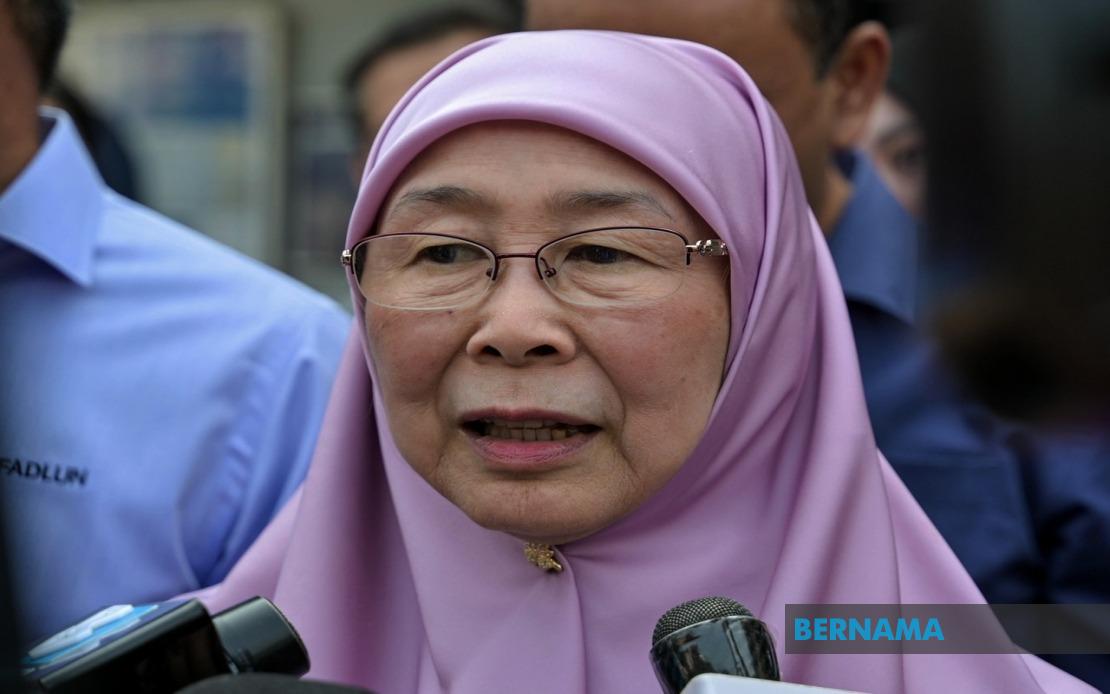
Prime Minister Datuk Seri Anwar Ibrahim is anticipated to leave hospital today after receiving medical care for a para-umbilical hernia, according to his wife Datuk Seri Dr Wan Azizah Wan Ismail. The announcement came as the nation continues its 2026 National Month celebrations, with Dr Wan Azizah speaking publicly about the Prime Minister's recovery following the completion of his scheduled surgical intervention.
The procedure undertaken on Monday employed minimally invasive laparoscopic techniques, a surgical approach that typically results in faster recovery compared to conventional open surgery. This method involves small incisions and the use of specialised instruments and cameras to visualise and repair the abdominal wall defect. Para-umbilical hernias, which occur near the belly button, are relatively common surgical conditions that can develop due to weakness in the abdominal muscles or increased pressure on the abdomen.
Dr Wan Azizah conveyed that Anwar has expressed his deep gratitude towards everyone who offered prayers and support during his medical treatment. Through his wife, the Prime Minister sent his regards to the public and thanked those whose good wishes accompanied him through the recovery process. Such public acknowledgement of well-wishers is customary for Malaysian political figures and serves to reinforce bonds between leadership and the electorate during periods of personal health challenges.
The timing of the announcement, made at the Semarak Merdeka programme organised at the Bandar Tun Razak branch of Kuala Lumpur City Hall, demonstrates the government's commitment to maintaining public engagement with National Month celebrations despite the Prime Minister's temporary medical absence. Dr Wan Azizah's attendance at this patriotic event underscores the continuity of government functions and ceremonial responsibilities even when the head of government requires hospitalisation.
For Malaysia's political establishment and civil administration, the swift nature of Anwar's recovery and expected discharge represents a positive development in terms of governance continuity. The Prime Minister's ability to undergo elective surgery and recover within a short timeframe suggests the procedure was routine and uncomplicated. Laparoscopic techniques have become the gold standard for hernia repair in modern surgical practice, offering patients minimal scarring, reduced postoperative pain, and accelerated return to normal activities.
The public communication of the Prime Minister's health status reflects established protocols in Malaysian governance regarding transparency about the health and availability of key office holders. Regular updates to the media and public help maintain confidence in institutional stability and the uninterrupted functioning of government machinery. This approach contrasts with older traditions of opacity surrounding the health conditions of national leaders, which could fuel speculation and uncertainty.
From a regional perspective, the incident underscores how even senior political figures require routine medical procedures. Across Southeast Asia, nations have experienced periods of governmental uncertainty when leadership transitions or temporary incapacitations occur without clear communication channels. Malaysia's approach of providing factual, timely updates through family members and official channels demonstrates a model that maintains transparency while respecting personal privacy.
The para-umbilical hernia condition that required Anwar's surgical intervention is manageable through both conservative management and surgical repair. The Prime Minister's decision to proceed with elective surgery reflects a proactive approach to personal health management, addressing the condition before it could potentially cause complications or discomfort that might interfere with his official duties. Such preventative medical care is particularly important for individuals bearing the demanding responsibilities of national leadership.
As Malaysia continues its preparation for the 2026 National Month celebrations, the Prime Minister's hospital discharge will allow him to resume his full schedule of public engagements and ceremonial functions. The recovery period following laparoscopic surgery is typically brief, with most patients resuming normal activities within two to three weeks, though strenuous activity and heavy lifting require longer abstention. This timeline suggests Anwar should be able to maintain his official calendar with minimal disruption.
The broader implications of this medical episode for Malaysian governance remain minimal, given the routine nature of the procedure and the apparent smoothness of the recovery process. However, it reinforces ongoing conversations within Southeast Asian nations about succession planning, institutional resilience, and the importance of clear constitutional frameworks for temporary transfers of power when national leaders require medical attention. Malaysia's established protocols appear to have functioned effectively throughout this period.
Public confidence in political institutions often depends partly on the perceived health and capability of leaders to discharge their duties. By managing this medical situation transparently and demonstrating continuity of government function during the Prime Minister's absence, Malaysia's political system has provided reassurance to both domestic constituencies and the international community. Dr Wan Azizah's public statements, delivered while participating in National Month celebrations, effectively combined personal family updates with patriotic messaging.

