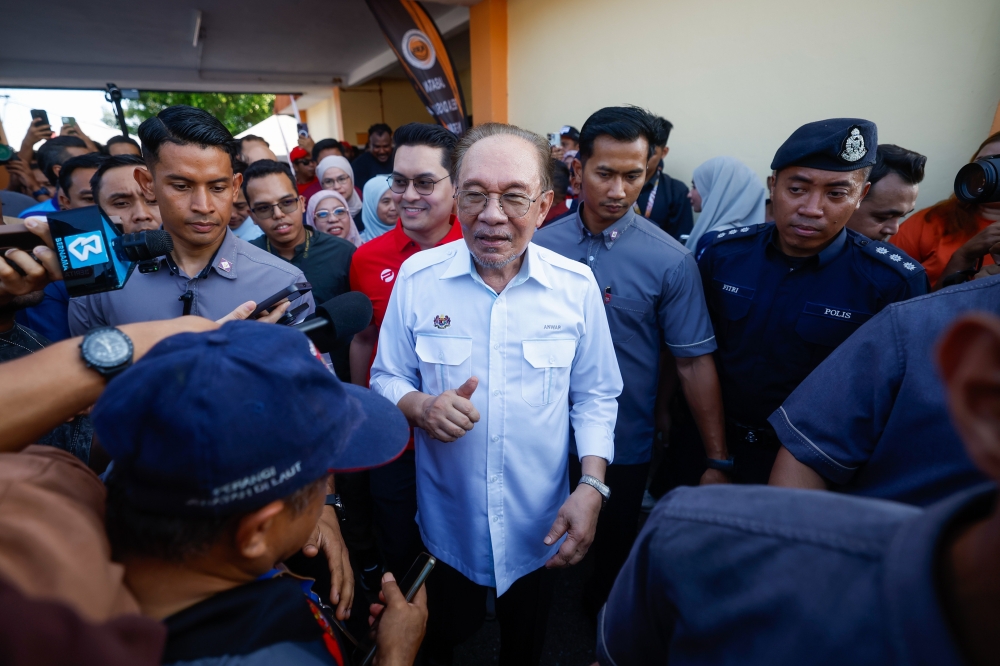
Prime Minister Datuk Seri Anwar Ibrahim has successfully undergone elective laparoscopic surgery, with medical specialists confirming the procedure proceeded without complications. The operation, conducted on August 10, marks a significant health milestone for the nation's leader, who is now under rigorous post-operative care as part of his recovery protocol.
The laparoscopic surgical technique, which involves minimally invasive procedures through small incisions, represents a standard approach for various abdominal conditions. This method typically results in shorter recovery periods and reduced post-operative discomfort compared to traditional open surgery. The choice of this procedure demonstrates careful planning by Malaysia's medical establishment to balance the Prime Minister's health requirements with his continued ability to discharge state responsibilities.
Official medical statements emphasise that specialists are maintaining heightened vigilance over Anwar Ibrahim's condition during this critical recovery phase. The intensive monitoring protocols being implemented reflect both the importance of ensuring his swift recuperation and the necessity of maintaining public confidence in the nation's leadership continuity. Malaysian citizens have been reassured through official channels that comprehensive healthcare arrangements remain in place.
The timing of the elective procedure raises questions about Malaysia's governmental succession arrangements and contingency planning. While Anwar Ibrahim undergoes his recovery regimen, discussions about interim authority and delegation of responsibilities have emerged among political analysts. The seamless management of state functions during this period underscores Malaysia's institutional maturity and the robustness of its constitutional frameworks governing executive leadership transitions.
From a regional perspective, this medical event reminds Southeast Asian observers of the broader challenges facing ageing political leaderships across the region. Several nations in the Association of Southeast Asian Nations grapple with similar succession planning concerns, particularly as key figures approach advanced years in office. Malaysia's handling of this situation may provide instructive precedents for other democracies managing comparable constitutional and practical complexities.
The swift and transparent communication from the Prime Minister's office regarding surgical outcomes demonstrates Malaysia's commitment to maintaining public trust during periods of political uncertainty. In an era where misinformation can rapidly circulate through social media channels, providing factual, timely updates about the nation's leader's health status serves the dual purpose of informing citizens and preempting speculation that could destabilise financial and political confidence.
Medical experts highlight that laparoscopic procedures, while generally regarded as routine in contemporary surgical practice, still necessitate careful post-operative management, particularly for individuals in demanding leadership positions. The cardiovascular, respiratory, and metabolic stresses accompanying high-level governmental responsibilities require that recovery timelines account not merely for surgical healing but also for the restoration of full cognitive and physical stamina essential to executive function.
Malaysia's healthcare infrastructure has demonstrated its capacity to provide world-class surgical interventions and specialist care for the nation's highest office holders. This capability reflects decades of investment in medical education, hospital facilities, and training programmes that have positioned Malaysian healthcare among the region's most advanced systems. The successful completion of Anwar Ibrahim's procedure underscores the reliability and competence of domestic medical professionals.
Looking forward, the Prime Minister's recovery trajectory will be closely monitored by both official channels and the broader Malaysian public. The anticipated timeline for his return to full operational capacity carries implications for upcoming governmental initiatives, parliamentary sessions, and regional diplomatic engagements. Medical specialists will likely maintain regular assessment schedules to ensure that his recuperation aligns with professional activity schedules.
The incident also highlights the importance of comprehensive health monitoring systems for senior government officials, a practice that many democracies maintain to ensure the fitness of their leaders. Regular medical evaluations, preventive care protocols, and contingency arrangements all contribute to stable governance structures. Malaysia's approach to managing the Prime Minister's health reflects international best practices in ensuring that national leadership remains robust and capable of fulfilling constitutional obligations.

