%22%2F%3E%3C%2Fpattern%3E%3C%2Fdefs%3E%3Crect%20width%3D%22100%25%22%20height%3D%22100%25%22%20fill%3D%22url(%23ph4707jg)%22%2F%3E%3Crect%20width%3D%22100%25%22%20height%3D%22100%25%22%20fill%3D%22url(%23ph4707jp)%22%2F%3E%3Ctext%20x%3D%2250%25%22%20y%3D%2250%25%22%20text-anchor%3D%22middle%22%20dominant-baseline%3D%22central%22%20fill%3D%22rgba(255%2C255%2C255%2C0.95)%22%20font-family%3D%22Georgia%2C%20'Times%20New%20Roman'%2C%20serif%22%20font-weight%3D%22700%22%20font-size%3D%22272%22%20letter-spacing%3D%22-0.02em%22%3EAnwar%3C%2Ftext%3E%3C%2Fsvg%3E)
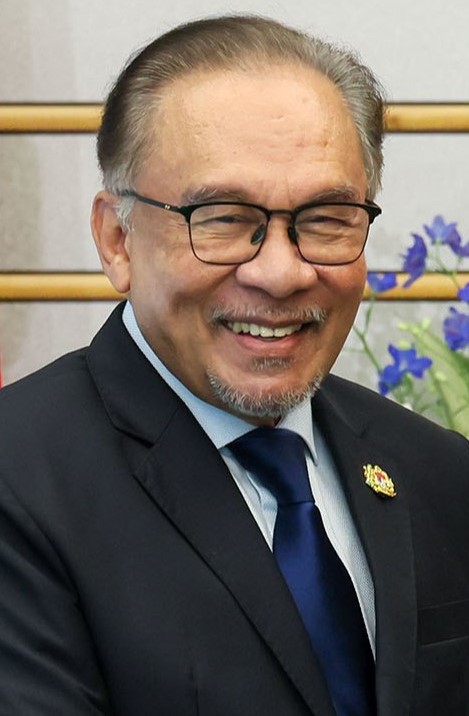
Prime Minister Datuk Seri Anwar Ibrahim rolled out the diplomatic welcome for Bangladesh Prime Minister Tarique Rahman on June 22, hosting an official luncheon at Seri Perdana Complex in Putrajaya that showcased both countries' commitment to deepening bilateral engagement. The visit marks a significant moment in Malaysia-Bangladesh relations, as it represents Tarique's maiden official bilateral trip abroad since he assumed office in February 2026, signalling the importance Dhaka places on its ties with Kuala Lumpur as a key regional partner.
The ceremonial aspects of the visit underscored the formal nature of the occasion. Students from five secondary schools across the Klang Valley and Putrajaya—including Sekolah Kebangsaan Presint 8(2), SMK Dengkil, SMK Agama Sungai Merab, Sekolah Menengah Sains Selangor, and Sekolah Menengah Agama Persekutuan Kajang—lined the arrival route with welcoming chants, while performers from Istana Budaya presented traditional dance performances for the Bangladeshi delegation. Both leaders arrived together in the same vehicle at 11:50 am, a gesture reflecting the warmth of their personal rapport and the ceremonial parity extended to Bangladesh.
The luncheon menu itself communicated a symbolic message about regional partnership. Tropical fruits including Malaysia's renowned durian and jackfruit specially transported from Bangladesh featured prominently as dessert offerings, representing both countries' agricultural heritage and the practical links binding their economies. The presence of the spouses—Dr Zubaida Rahman, the Bangladeshi Prime Minister's wife, and Datuk Seri Dr Wan Azizah Wan Ismail, Malaysia's First Lady—added a dimension of personal warmth to the state-level engagement, elevating the occasion beyond purely formal diplomacy.
The composition of Malaysia's delegation underscored the breadth of bilateral cooperation that officials intend to pursue. Foreign Minister Datuk Seri Mohamad Hasan, Home Affairs Minister Datuk Seri Saifuddin Nasution Ismail, Investment, Trade and Industry Minister Datuk Seri Johari Abdul Ghani, Human Resources Minister Datuk Seri R. Ramanan, Minister in the Prime Minister's Department (Religious Affairs) Dr Zulkifli Hasan, and Chief Secretary to the Government Tan Sri Shamsul Azri Abu Bakar all participated, indicating that discussions would span security, economic partnerships, religious and cultural matters, and administrative cooperation.
Preceding the luncheon, Tarique had received formal ceremonial honours at Perdana Putra Complex and engaged in bilateral discussions with Anwar, establishing the substantive foundation for the broader engagement. According to guidance from Wisma Putra, Malaysia's foreign ministry, the visit is intended to consolidate the already robust relationship between the two nations and expand collaborative frameworks in sectors where their interests align and complementary advantages exist.
The economic dimension of Malaysia-Bangladesh ties provides compelling rationale for intensified engagement. In 2025, bilateral trade reached RM12.18 billion (US$2.84 billion), positioning Bangladesh as Malaysia's 28th largest trading partner globally and its second-most significant partner within South Asia after India alone. Malaysia's export sales to Bangladesh totalled RM10.08 billion (US$2.35 billion), with petroleum products dominating the composition of these shipments—a sector particularly sensitive to regional supply-chain dynamics and geopolitical stability.
Bangladeshi purchases of Malaysian goods reflect deeper energy and industrial ties that warrant political attention. Conversely, Malaysian imports from Bangladesh, valued at RM2.10 billion (US$500 million), comprise predominantly textiles, apparel, and footwear—sectors where Bangladesh possesses substantial competitive advantages and labour-cost advantages. This trade imbalance, heavily favouring Malaysian exports, suggests potential for Malaysian officials to negotiate expanded market access for Bangladeshi products, potentially diversifying Malaysia's sourcing and strengthening the relationship through perceived reciprocal benefit.
For Malaysian observers, the emphasis on strengthening ties with Bangladesh reflects a broader strategic calculus. Bangladesh, with a population exceeding 170 million and growing economic ambitions, represents both a market opportunity and a potential diplomatic ally as regional geopolitical competitions intensify. Enhanced Malaysia-Bangladesh cooperation signals Kuala Lumpur's commitment to maintaining constructive ties across South Asia, balancing its relationships with larger powers and avoiding alignment with divisive regional blocs that might constrain Malaysia's strategic autonomy.
The timing of Tarique's inaugural bilateral visit abroad carries additional significance. His government came to power through a transformative political transition in Bangladesh, and the decision to prioritize a Southeast Asian neighbour for his first international bilateral engagement—rather than traditional allies such as China, India, or the United States—reflects Bangladesh's geographic and civilizational ties to ASEAN and signals openness to regional engagement frameworks. For Malaysia, hosting this visit projects soft power and positions Anwar's government as an accessible, hospitable regional partner capable of facilitating dialogue and cooperation.
Looking forward, the stated objective of deepening cooperation across areas of mutual interest remains deliberately broad, likely encompassing security cooperation, people-to-people exchanges, investment facilitation, and potentially joint ventures in energy and manufacturing. The prominent participation of the Investment, Trade and Industry Minister suggests that officials will seek to encourage Malaysian businesses to explore opportunities in Bangladesh's rapidly growing economy, while simultaneously welcoming Bangladeshi investment in Malaysia's advanced sectors and services.
Religious and cultural dimensions, evidenced by the attendance of the Minister in the Prime Minister's Department (Religious Affairs), hint at potential collaboration on Islamic affairs and interfaith dialogue—spheres where both predominantly Muslim nations face shared opportunities and challenges. Educational partnerships, particularly in vocational training and technical expertise transfer, could emerge as substantive cooperation areas given Bangladesh's need for skilled workforce development and Malaysia's capacity in this domain.
The success of Tarique's visit, measured by any joint declarations or bilateral agreements unveiled subsequently, will signal whether Malaysia-Bangladesh relations are entering a new phase of intensified engagement or merely consolidating existing cooperation levels. For Malaysian stakeholders in business, government, and civil society, closer ties with Bangladesh present openings in one of South Asia's most dynamic emerging economies, even as Bangladesh's government signals its receptiveness to strengthening regional partnerships beyond traditional Great Power relationships.