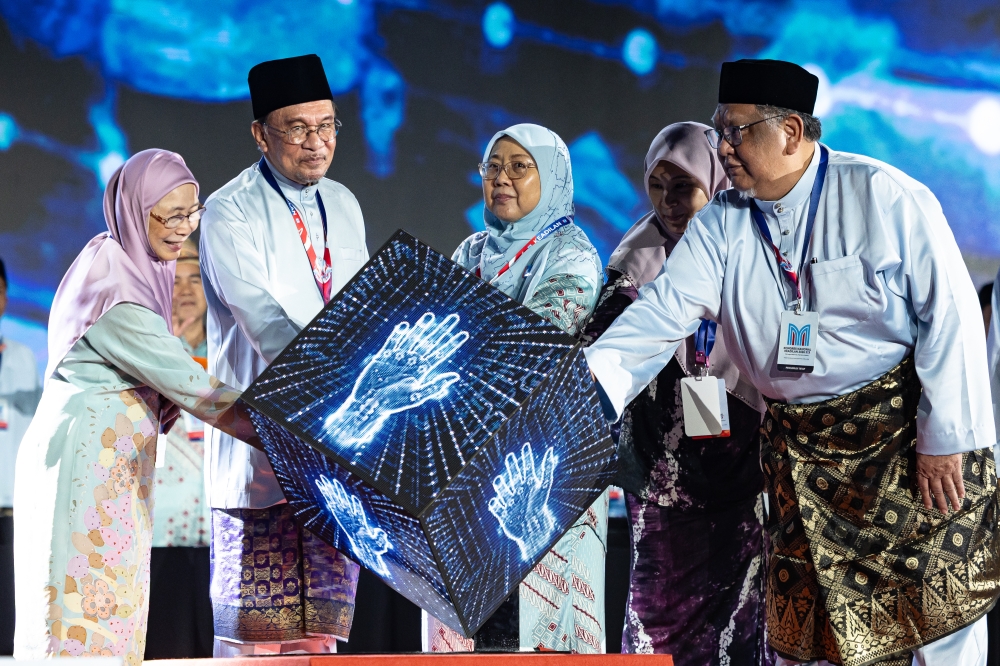
Prime Minister Datuk Seri Anwar Ibrahim has pushed back against allegations that his administration short-changes particular regions, emphasising that Sabah, Sarawak, Kedah and Kelantan have experienced substantial growth in their federal allocations since the Madani government assumed office. The remarks, made in Melaka on August 15, represent a deliberate attempt to rebut narratives questioning the equitable distribution of national resources across Malaysia's diverse states and territories.
The assertion carries particular significance given the historical sensitivities surrounding resource allocation between peninsular Malaysia and the two East Malaysian states. Sabah and Sarawak have long maintained that their contributions to the federation warrant proportionally generous federal investment, while smaller peninsular states such as Kedah and Kelantan have occasionally voiced concerns about being overlooked in budgetary decisions. By simultaneously highlighting improvements for both regions, Anwar's administration appears intent on demonstrating balanced governance that respects federal-state dynamics.
The timing of Anwar's statement reflects ongoing domestic political calculations. Federal allocation decisions carry outsized importance in Malaysian politics, particularly during periods preceding major elections or when regional coalitions face consolidation challenges. State governments across the political spectrum frequently scrutinise federal funding streams, using resource distribution as a barometer for their standing within the national coalition framework. The Madani government, operating with a relatively slim parliamentary majority, must carefully calibrate its resource distribution to maintain support among component parties and ensure that no region feels systematically disadvantaged.
For Malaysian observers tracking budget priorities, the emphasis on increased allocations to these four entities warrants contextual examination. East Malaysia's development remains structurally dependent on substantial federal investment, given the vast distances, challenging terrain and dispersed populations that characterise both Sabah and Sarawak. Infrastructure projects, from highways to ports to digital networks, require federal coordination and funding to progress meaningfully. Similarly, Kedah's position as an agricultural heartland and Kelantan's recent political shifts have created distinct budgetary requirements that federal policymakers must weigh against competing demands from other constituencies.
The Madani framework itself was constructed partly on promises of more transparent and merit-based governance compared to predecessor administrations. Central to this positioning was commitments regarding fairer resource allocation and enhanced accountability in how public funds reach communities. By invoking rising allocations to these specific states, the government implicitly frames resource decisions as reflecting principles of equitable development rather than political patronage. Whether such framing aligns with actual budgetary mechanics and spending patterns remains subject to independent verification through official budget documents and independent audit mechanisms.
Regional dynamics across Southeast Asia increasingly turn on how governments manage internal resource distribution among constituent states or provinces. Malaysia's federal structure positions it within a comparative context where Thailand, Indonesia and the Philippines all grapple with centre-periphery tension regarding development funding and economic opportunity. How Malaysia navigates these challenges influences not only domestic stability but also regional perceptions of governance quality and institutional resilience. Anwar's emphasis on rising allocations to multiple regions signals an intent to position Malaysian federalism as functionally responsive to regional needs.
The specific inclusion of Kedah and Kelantan in Anwar's statement reflects distinct political considerations. Kedah, governed by the Perikatan Nasional coalition, remains a strategic prize within Malaysian politics given its economic importance and population size. Kelantan, long a Parti Islam Se-Malaysia stronghold, presents a different political landscape. By highlighting increased allocations to both, regardless of their political alignments, the federal government projects an image of non-partisan resource distribution—a politically valuable posture during competitive electoral cycles.
Sceptics might reasonably examine whether nominal increases in allocations reflect genuine enhancement of purchasing power or merely track inflation and baseline expenditure patterns. Malaysian budget analysis frequently reveals that headline increases sometimes mask redistributions among existing categories rather than entirely new investments. Independent scrutiny of actual project implementation, on-ground spending rates and measurable development outcomes provides essential context that statements about rising allocations alone cannot supply.
The broader implications for Malaysia's development trajectory hinge on whether increased allocations translate into sustainable economic opportunities and measurable quality-of-life improvements across Sabah, Sarawak, Kedah and Kelantan. Infrastructure development, human capital investment, and economic diversification initiatives require not merely funding announcements but consistent execution and performance against established benchmarks. The Madani government's credibility on resource equitability will ultimately rest on tangible outcomes demonstrable to citizens in these regions rather than budgetary proclamations issued at political forums.
Moving forward, the administration faces the fundamental challenge of demonstrating that its commitment to increased allocations reflects genuine strategic prioritisation rather than tactical political positioning. Regular publication of comparative spending data, project timelines and progress reports would strengthen public confidence in resource distribution fairness. For Malaysian voters across these four states and territories, the ultimate measure of Madani governance will be whether federal investment materialises into jobs, infrastructure, services and economic dynamism that improve their daily circumstances and future prospects.

