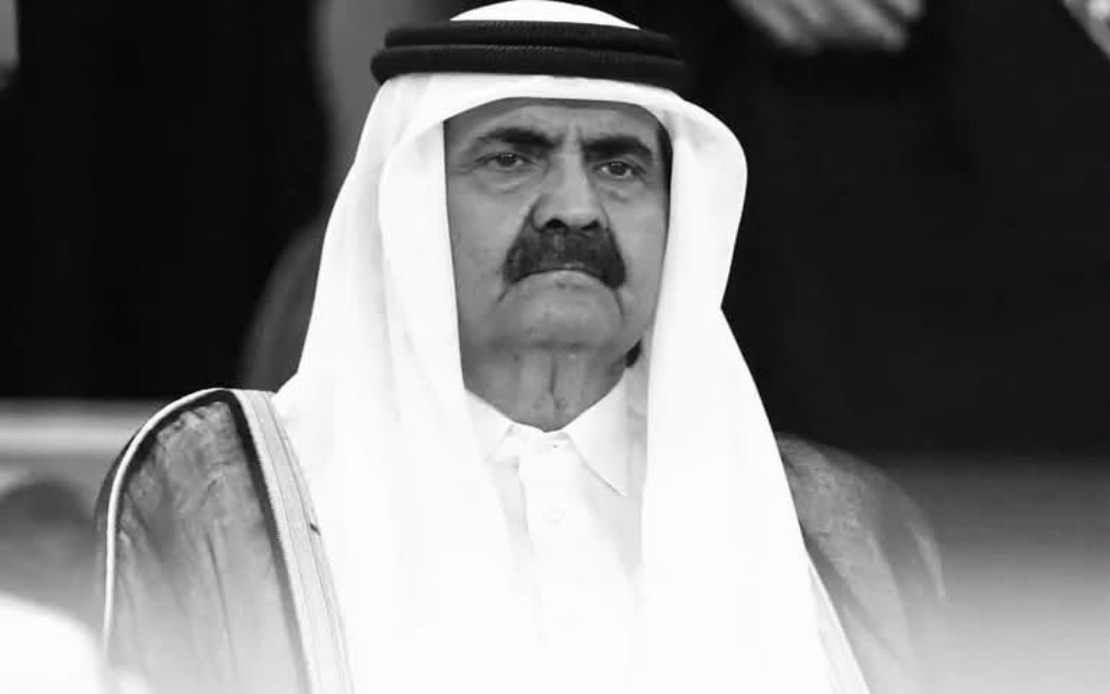
Prime Minister Datuk Seri Anwar Ibrahim has conveyed Malaysia's condolences to the State of Qatar following the passing of Sheikh Hamad bin Khalifa Al Thani, known as the Father Amir, who died at the age of 74. In an official statement released through social media on July 12, Anwar extended sympathy to Qatar's reigning Amir Sheikh Tamim bin Hamad Al Thani, the broader Al Thani royal household, and the Qatari population during their period of mourning. The announcement of Sheikh Hamad's death came from Qatar's Amiri Diwan on Sunday morning, marking the conclusion of a life devoted to steering the Gulf state through transformative decades.
The Malaysian Prime Minister used his tribute to highlight Sheikh Hamad's distinctive contributions to Qatar's emergence as a significant player on the world stage. During his reign spanning from 1995 to 2013, Sheikh Hamad presided over Qatar's rapid economic advancement, positioning the nation as a hub of regional influence and international standing. Anwar emphasised that the late Father Amir's stewardship transformed Qatar from a smaller Gulf monarchy into an entity commanding respect and attention across continents. This acknowledgement carries particular resonance given Malaysia's own aspirations toward greater regional prominence and economic diversification.
A defining moment in Sheikh Hamad's legacy, according to Anwar's assessment, was his 2013 decision to voluntarily transfer authority to his son, Sheikh Tamim bin Hamad Al Thani. The Prime Minister characterised this transfer of power as a rare demonstration of political maturity and genuine statesmanship in a region where such peaceful succession transfers have historically been uncommon. This voluntary handover contrasts sharply with succession patterns in other monarchies and serves as a model of institutional orderliness and generational planning. For Malaysian observers and policymakers, this represents a noteworthy example of organised governance transition within a hereditary system.
Anwar's remarks framed Sheikh Hamad as a longstanding advocate for Malaysia's interests and a figure who commanded widespread respect throughout the Islamic world. The characterisation as a "steadfast friend" reflects the substantive bilateral relationship between Kuala Lumpur and Doha, encompassing diplomatic ties, trade relationships, and cultural exchange. Qatar's role as a major economic power in the Gulf region makes its leadership particularly significant for Malaysian interests in the Middle East. Furthermore, Sheikh Hamad's standing within Muslim-majority nations and his influence on Islamic affairs positioned him as a figure of considerable importance beyond Qatar's borders.
The tribute incorporated Islamic observances befitting the occasion, with Anwar invoking divine blessings for the deceased's soul and requesting strength for the grieving family and nation. This religious dimension underscores the spiritual significance of Sheikh Hamad's passing not merely as a political event but as a moment of collective loss within the global Muslim community. Malaysia's expression of sympathy through Islamic terminology and sentiment reflects shared religious values and the cultural bonds connecting Muslim nations across geographies and political systems.
Sheikh Hamad's eighteen-year tenure from 1995 represented a pivotal era for Qatar's development. During this period, the nation underwent substantial modernisation, economic diversification, and strategic repositioning. His government invested heavily in infrastructure, education, and healthcare systems while simultaneously cultivating Qatar's presence in international forums. The accumulation of these developments positioned his son to inherit a nation substantially more influential and prosperous than the one he received, demonstrating the lasting impact of his administrative vision.
The succession to Sheikh Tamim bin Hamad Al Thani proceeded smoothly in 2013, continuing Qatar's governance without disruption. This stability under subsequent leadership has validated Sheikh Hamad's organisational foundations and succession planning. The current Amir has built upon these established frameworks while introducing his own policy priorities, suggesting the institutional strength developed during the Father Amir's administration. For regional observers, this continuity demonstrates the effectiveness of deliberate succession structures in maintaining governmental coherence and national progress.
Malaysia's official expression of condolences carries diplomatic weight beyond ceremonial protocol. The bilateral relationship encompasses educational exchanges, trade partnerships, and military cooperation. Many Malaysian students have studied in Qatar, while Qatari investment has contributed to Malaysian development projects. These multifaceted connections mean that leadership transitions in Doha resonate with genuine significance for Malaysian stakeholders spanning government, business, education, and civil society sectors.
The passing of the Father Amir also marks a symbolic transition within Gulf leadership structures. While Sheikh Hamad has departed the active political stage, his influence on contemporary Middle Eastern affairs remains substantial through the institutions and policies he established. His vision for Qatar as a bridge between East and West, and as a voice for smaller nations within international bodies, continues shaping regional diplomacy and global engagement patterns. For Malaysia, understanding and maintaining relations with Qatar's current leadership requires appreciating the foundational work accomplished during the Father Amir's era and the values he embedded within Qatar's state apparatus and diplomatic culture.

