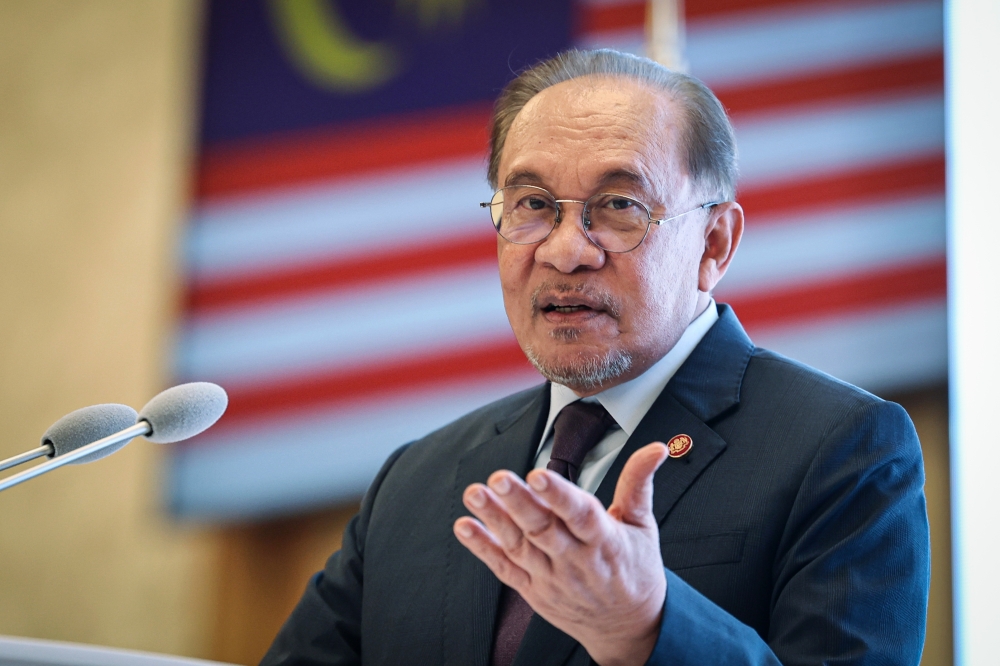
Prime Minister Datuk Seri Anwar Ibrahim has publicly acknowledged the outpouring of prayers and well-wishes from Malaysians during a period when his health drew public attention, signalling both his appreciation for national solidarity and his readiness to return to full parliamentary duties. The Prime Minister's expression of gratitude underscores the level of concern that his health situation had generated across political and social circles, reflecting the significance of his position in steering the nation through a complex political landscape.
In a move that demonstrates Parliament's commitment to addressing matters of significant public concern, a special parliamentary sitting has been scheduled to examine and debate the Royal Commission of Inquiry findings regarding Tabung Haji. This decision to convene an extraordinary session highlights the gravity with which lawmakers regard the investigation into the pilgrim's fund, which manages the savings and investments of millions of Malaysian Muslims preparing for the hajj pilgrimage.
The Tabung Haji RCI represents one of the most extensive official investigations into the institution's operations and governance structures. The commission was established to thoroughly examine various aspects of the fund's management, financial dealings, and administrative practices, particularly following mounting public concerns about the organisation's transparency and accountability mechanisms. The decision to dedicate a special parliamentary sitting to the RCI report underscores legislative priorities around financial governance and institutional oversight.
For Malaysian readers particularly mindful of hajj preparation and savings, the Tabung Haji inquiry holds deeply personal significance. Millions of Malaysians rely on the institution to manage their hajj savings accumulated over years, sometimes decades, making governance failures or financial mismanagement directly consequential to individual pilgrimage aspirations. The special parliamentary session thus represents not merely a procedural legislative matter but a response to legitimate public anxieties about institutional stewardship of religiously significant financial assets.
Parliament's scheduling of this special sitting also reflects broader legislative efforts to enhance governmental transparency and institutional accountability. By dedicating focused parliamentary time to examining the RCI findings rather than incorporating them into routine business, lawmakers signal the investigation's importance and their intention to conduct substantive debate rather than perfunctory acknowledgement. This approach strengthens parliamentary scrutiny mechanisms that are essential to democratic governance and public confidence in state institutions.
The timing of Anwar's return to full parliamentary responsibilities, coinciding with arrangements for this special sitting, demonstrates the Prime Minister's commitment to engaging directly with significant national concerns despite recent health considerations. His active participation in parliamentary proceedings, particularly on matters affecting millions of Malaysian Muslims and their religious obligations, reinforces executive engagement with legislative processes and public accountability mechanisms.
Regionally, developments concerning Malaysian institutional governance and transparency resonates across Southeast Asia, where comparable pilgrim funds and religious financial institutions operate in neighbouring countries. Malaysia's approach to investigating and publicly debating Tabung Haji's governance may influence how other nations address similar concerns within their own pilgrimage-related financial structures, particularly as regional governments increasingly prioritise transparency and accountability in religious and social institutions.
The forthcoming parliamentary debate will likely address multiple dimensions of Tabung Haji's operations, potentially including investment strategies, administrative costs, governance structures, and management accountability. Lawmakers may scrutinise whether existing regulatory frameworks adequately protect contributors' interests and whether governance reforms are necessary to prevent future concerns. Such examination serves crucial parliamentary oversight functions and provides opportunities for comprehensive policy discussions.
Stakeholders including Tabung Haji contributors, Islamic financial sector observers, and governance advocates will monitor the parliamentary proceedings closely, anticipating detailed examination of the RCI's findings and recommendations. The special sitting offers Parliament an opportunity to publicly articulate expectations regarding institutional conduct, administrative responsibility, and protection of public financial interests managed through quasi-governmental entities.
Anwar's public acknowledgement of national support, combined with Parliament's scheduled attention to the Tabung Haji findings, demonstrates mechanisms through which Malaysian democratic institutions respond to public concerns and maintain accountability standards. The special parliamentary sitting represents a commitment to transparent governance processes that allow public examination of how state institutions manage significant financial assets held in trust for religious purposes.
Moving forward, the nature of recommendations emerging from parliamentary debate surrounding the RCI report will likely shape Tabung Haji's future governance trajectory and regulatory environment. Whether Parliament recommends administrative restructuring, enhanced oversight mechanisms, legislative amendments, or other reforms will substantially influence how the institution operates and how it safeguards the interests of Malaysia's millions of hajj pilgrims and savers who depend upon its stewardship.

