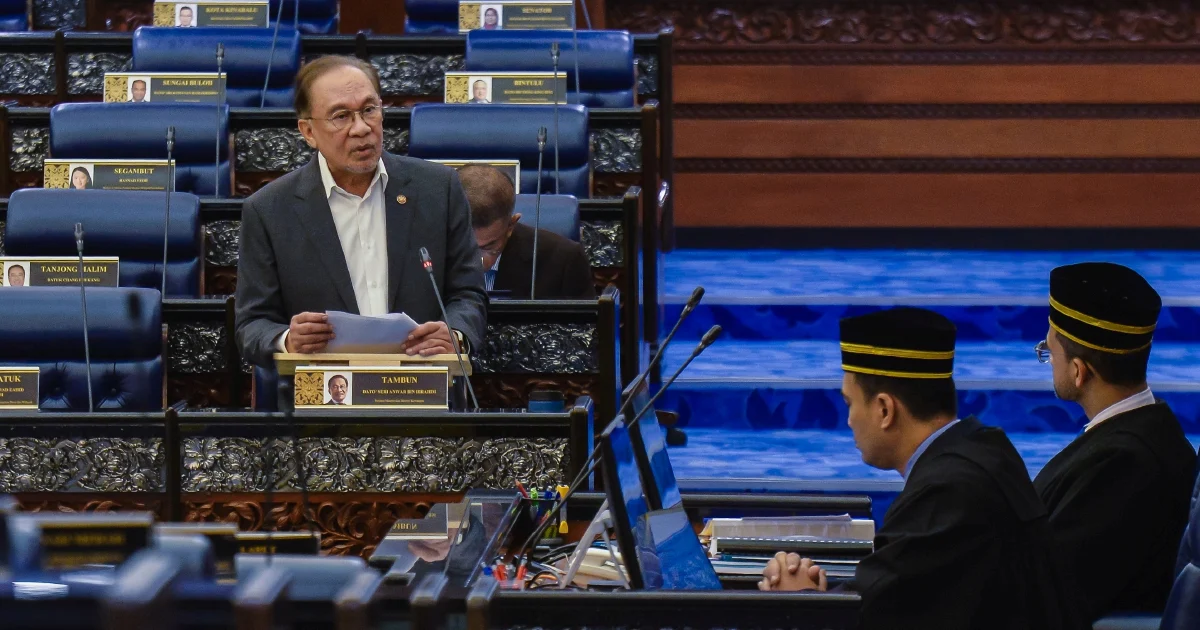
Prime Minister Datuk Seri Anwar Ibrahim has firmly rejected suggestions that he personally ordered the cancellation of the 2026 Johor Felda Settlers' Day celebration, which was due to be held in Kluang. The denial addresses growing speculation about involvement from the federal government in the controversial decision to postpone the event, which had sparked questions among Felda beneficiaries and political observers in Johor about the rationale behind the sudden cancellation.
The Felda Settlers' Day commemoration holds considerable significance within Malaysia's rural communities, particularly in Johor where the Federal Land Development Authority maintains substantial operations. The event typically draws thousands of settlers and their families, serving as a platform to recognise the contributions of Felda participants to agricultural development and rural livelihoods. The planned 2026 gathering in Kluang represented an opportunity to reinforce connections between the federal government and these communities, making the reported cancellation noteworthy from both political and social perspectives.
Anwar's intervention in the matter underscores the sensitivity surrounding decisions affecting rural constituencies and government-backed agricultural schemes. The Prime Minister's clear repudiation suggests that responsibility for the cancellation lies elsewhere within the government structure or local administration, rather than with his office. This distinction carries importance for understanding decision-making processes within the cabinet and state-federal relationships, particularly in Johor where state and federal authorities must coordinate on development matters.
The Johor state government and various federal agencies fall within the administrative sphere that would typically organise such ceremonial events. The cancellation occurred without clear public communication regarding its causes, leaving beneficiaries and observers uncertain about the underlying reasons. Whether budgetary constraints, scheduling conflicts, or other considerations prompted the decision remains unclear from official statements. This lack of transparency has contributed to the speculation that prompted inquiries directed toward the Prime Minister's office.
Felda has evolved significantly since its establishment, transitioning from a land distribution scheme into a complex organisation managing vast agricultural holdings and providing support services to hundreds of thousands of settlers and their descendants. Events commemorating Felda's role in Malaysia's development narrative carry weight beyond mere celebration, serving as opportunities to reaffirm government commitment to rural welfare and agricultural communities. The cancellation of a scheduled commemoration event therefore carries symbolic implications beyond the event itself.
The timing of Anwar's denial, coming shortly after the cancellation announcement, suggests that officials recognised the potential for the decision to generate negative perceptions among rural constituencies. Felda settlers represent an important political demographic, and events honouring their contributions carry political resonance. By publicly distancing himself from the cancellation, the Prime Minister signals his personal commitment to these communities, even as specific decisions about event organisation proceed through lower administrative channels.
In Malaysian governance, such denials typically indicate that while senior leadership may be aware of decisions affecting major constituencies, the directive and responsibility rest with relevant ministers, state governments, or agency heads. The statement implicitly acknowledges that cancellation decisions can occur through routine administrative processes without top-level involvement, yet simultaneously underlines the Prime Minister's awareness of their potential impact. This nuance matters for understanding how federal leadership addresses grassroots concerns without taking direct responsibility for every administrative action.
For Johor's Felda community, clarification about who authorised the cancellation remains important for assessing government priorities regarding rural development and settler welfare. The state of Johor contains particularly large concentrations of Felda schemes, and decisions affecting beneficiaries there carry consequences for political relations between the state and federal governments. If the cancellation stemmed from state-level decisions rather than federal directives, it may indicate differing priorities or resource constraints at the state level.
Looking ahead, the question of whether a rescheduled celebration will occur remains unresolved. The 2026 calendar year is still distant enough for arrangements to be made, yet the cancellation of previously announced plans raises questions about confidence in future commitments. How the government follows through on addressing this situation will signal its approach to rural engagement and its responsiveness to communities that have historically been central to Malaysia's development narrative. Restoring confidence among Felda settlers may require more than clarification of who made the decision; it may require demonstrable efforts to reinstate or reimagine the commemorative event in ways that reflect genuine commitment to rural constituencies.

